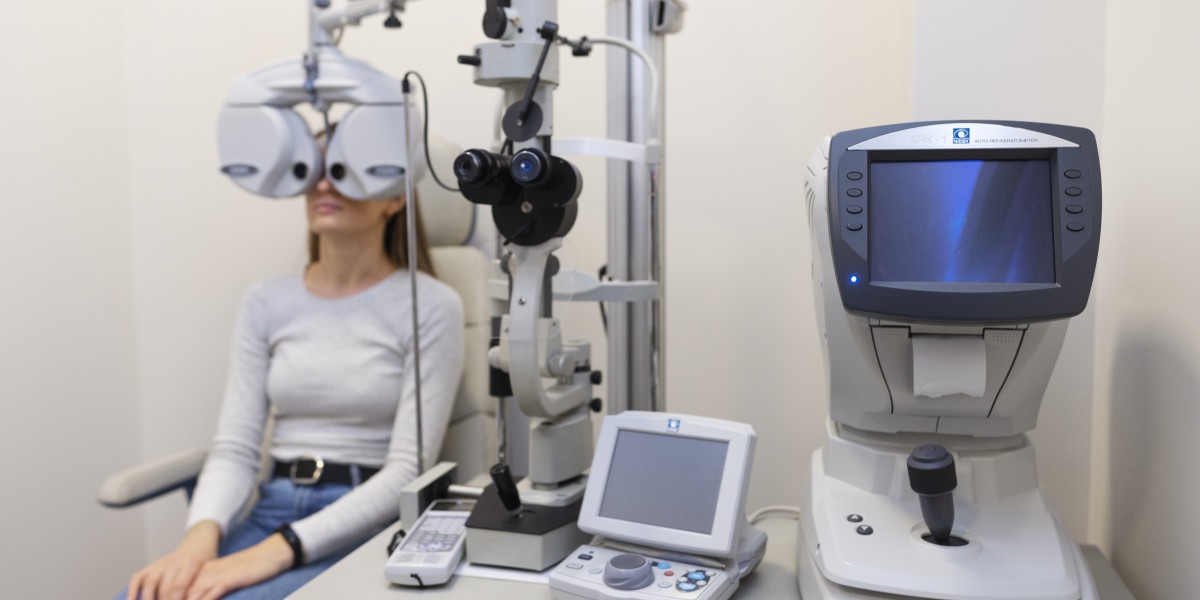

Early retina screening plays a critical role in maintaining long-term eye health. Many serious eye conditions begin silently, without noticeable symptoms, and progress gradually over time. By the time a patient experiences vision problems, significant damage may already have occurred. This makes early detection not just beneficial, but essential.
Modern ophthalmology has made significant advancements in diagnostic technologies that allow clinicians to examine the retina in great detail. These tools provide high-resolution images of internal eye structures, enabling early identification of abnormalities that may otherwise go unnoticed.
Understanding the Importance of Retina Screening
The retina is a delicate structure located at the back of the eye, responsible for capturing light and sending visual signals to the brain. Any damage to this structure can directly affect vision quality.
Routine screening helps identify early signs of conditions such as:
Diabetic retinopathy
Age-related macular degeneration
Glaucoma-related changes
Retinal vascular disorders
Early screening is especially important for individuals with risk factors such as diabetes, hypertension, or a family history of eye diseases.
Why Early Detection Matters
Detecting retinal abnormalities at an early stage allows clinicians to take preventive measures before the condition worsens. Early intervention can slow disease progression and reduce the risk of permanent vision loss.
Fundus imaging is widely recognized as an effective method for early detection because it provides a detailed view of the retina, optic nerve, and blood vessels. It enables clinicians to identify subtle changes that may not be visible during routine examinations.
Role of Retinal Imaging in Screening Programs
Retinal imaging has become a cornerstone of modern eye screening programs. It allows clinicians to capture and store images of the retina, which can be used for both diagnosis and long-term monitoring.
These images provide valuable insights into:
Structural changes in retinal layers
Condition of blood vessels
Optic nerve health
This level of detail enhances diagnostic accuracy and supports better clinical decision-making.
How Advanced Imaging Enables Early Detection
Advanced imaging systems are designed to capture high-resolution images that reveal even the smallest abnormalities. These technologies use controlled illumination and precision optics to produce clear and detailed visuals of the retina.
In clinical settings, the fundus photography camera is used to capture detailed retinal images, allowing clinicians to detect early signs of eye diseases and monitor changes over time. This capability is essential for effective screening and timely diagnosis.
Identifying Subtle Retinal Changes
One of the key advantages of retinal imaging is its ability to detect subtle changes that may indicate the onset of disease. These changes may include:
Microaneurysms
Minor hemorrhages
Early degeneration of retinal tissues
Changes in vascular patterns
Early identification of these signs allows clinicians to initiate treatment before the condition progresses.
Supporting Preventive Eye Care
Preventive care is essential for maintaining healthy vision. Regular retina screening helps identify potential issues before they develop into serious conditions.
By incorporating advanced imaging into routine checkups, clinicians can:
Detect early abnormalities
Monitor at-risk patients
Provide timely intervention
This proactive approach improves patient outcomes and reduces the likelihood of severe vision impairment.
Enhancing Diagnostic Accuracy
High-quality imaging provides detailed and reliable data, which is crucial for accurate diagnosis. Clear visualization of retinal structures allows clinicians to differentiate between various conditions and determine the most appropriate treatment strategy.
Improved diagnostic accuracy leads to better clinical outcomes and more effective patient care.
Monitoring Changes Over Time
Retinal imaging is not only useful for initial screening but also for ongoing monitoring. By comparing images from different visits, clinicians can track changes in the retina and evaluate the effectiveness of treatment.
This helps in:
Assessing disease progression
Adjusting treatment plans
Ensuring consistent care
Long-term monitoring is especially important for chronic conditions that require continuous management.
Role of Advanced Equipment Providers
The effectiveness of retina screening depends significantly on the quality of imaging equipment. High-performance systems provide sharper images, better contrast, and consistent results.
Matronix Optotechnik offers advanced ophthalmic imaging solutions designed to support early retina screening and accurate diagnosis. Their systems are built with modern optical technology, enabling clinicians to capture high-resolution images and detect abnormalities with greater confidence.
Improving Clinical Efficiency
Modern imaging technologies also improve efficiency in clinical environments. High-resolution images can be captured quickly, reducing examination time and allowing clinicians to focus on diagnosis and patient care.
This efficiency is particularly valuable in screening programs where a large number of patients need to be examined within a limited time.
The Future of Retina Screening
Technological advancements continue to enhance the capabilities of retinal imaging. Innovations such as artificial intelligence and automated analysis are making it easier to detect eye conditions at earlier stages.
These developments will further improve screening accuracy and support better patient outcomes in the future.
Conclusion
Early retina screening is essential for detecting eye conditions before they cause significant damage. Advanced imaging technologies have transformed the screening process by providing detailed visualization of internal eye structures.
With reliable diagnostic tools and continuous innovation, clinicians can ensure timely intervention and better long-term vision care outcomes.