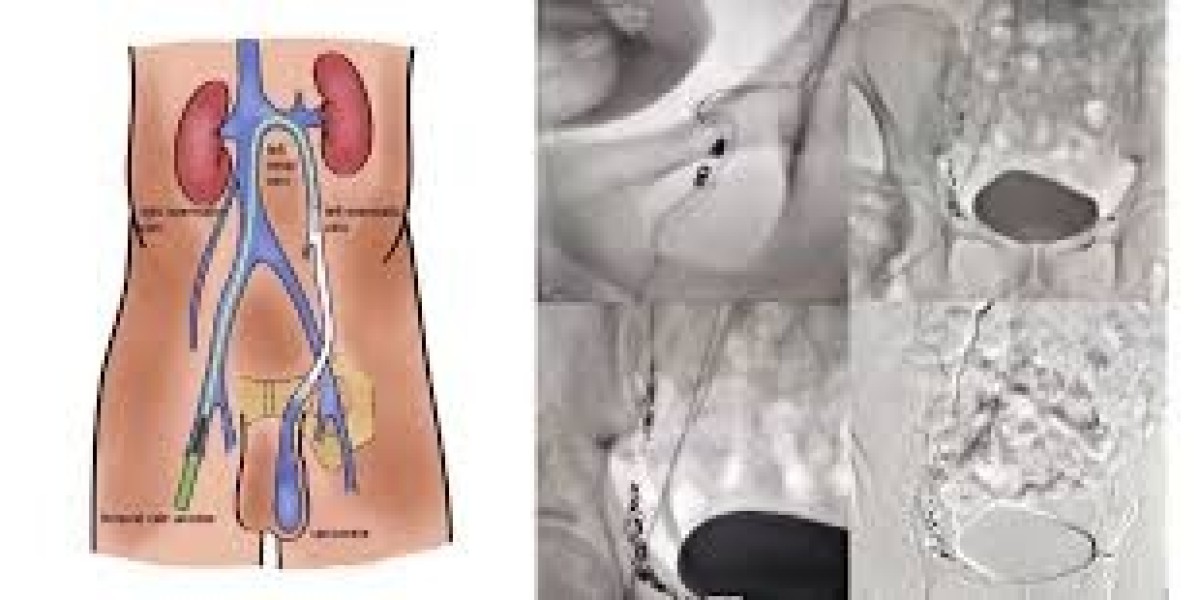

Uterine fibroids are a common health concern affecting millions of women worldwide. While they are usually non-cancerous, they can significantly impact a woman’s quality of life. From heavy menstrual bleeding to pelvic pain and fertility issues, fibroids can cause a range of uncomfortable symptoms.
Fortunately, advancements in medical science have introduced safer, more effective, and minimally invasive solutions. If you are looking for the Best Uterine Fibroids Treatment, understanding your options is the first step toward better health and peace of mind.
What Are Uterine Fibroids?
Uterine fibroids, also known as leiomyomas, are benign tumors that develop in or around the uterus. They vary in size, number, and location. Some women may have tiny fibroids with no symptoms, while others may experience severe discomfort.
Fibroids are most commonly found in women aged 30 to 50, especially during their reproductive years.
Common Symptoms of Uterine Fibroids
Although some women experience no symptoms, others may notice:
- Heavy or prolonged menstrual periods
- Pelvic pain or pressure
- Frequent urination
- Constipation
- Pain during intercourse
- Lower back pain
- Difficulty in conceiving
If these symptoms are affecting your daily life, it’s important to consult a specialist and explore treatment options.
What Causes Uterine Fibroids?
The exact cause of fibroids is still unknown, but several factors contribute to their growth:
1. Hormonal Imbalance
Estrogen and progesterone play a major role in fibroid growth. High levels of these hormones can stimulate fibroid development.
2. Genetics
If your mother or sister has fibroids, your chances of developing them are higher.
3. Lifestyle Factors
Obesity, poor diet, and lack of physical activity may increase the risk.
4. Age and Ethnicity
Fibroids are more common in women over 30 and may vary across different populations.
When Should You Seek Treatment?
Not all fibroids require treatment. However, you should consider medical intervention if you experience:
- Severe pain or discomfort
- Heavy bleeding leading to anemia
- Rapid fibroid growth
- Fertility issues
- Pressure on surrounding organs
Early diagnosis and treatment can prevent complications and improve outcomes.
Types of Uterine Fibroids Treatment
Today, women have access to multiple treatment options depending on their symptoms, age, and reproductive goals.
1. Medication-Based Treatment
Medications are often the first line of treatment for mild symptoms.
Common Options:
- Hormonal therapies (birth control pills, IUDs)
- Gonadotropin-releasing hormone (GnRH) agonists
- Pain relievers
Benefits:
- Non-invasive
- Helps manage symptoms
Limitations:
- Temporary relief
- Does not remove fibroids
2. Minimally Invasive Treatments
These treatments are gaining popularity due to faster recovery and fewer risks.
Uterine Fibroid Embolization (UFE)
A modern, non-surgical procedure that blocks blood supply to fibroids, causing them to shrink.
Learn more about the Best Uterine Fibroids Treatment here: https://flowcare.co.in/uterine-fibroid-treatment/
Benefits:
- No major surgery
- Quick recovery
- Preserves the uterus
Other Minimally Invasive Options:
- MRI-guided focused ultrasound
- Laparoscopic procedures
3. Surgical Treatments
In more severe cases, surgery may be recommended.
Myomectomy
- Removes fibroids while preserving the uterus
- Suitable for women planning pregnancy
Hysterectomy
- Complete removal of the uterus
- Permanent solution
Pros:
- Effective for large or multiple fibroids
Cons:
- Longer recovery
- Possible complications
Why Minimally Invasive Treatment Is Preferred
In recent years, minimally invasive procedures like uterine fibroid embolization have become the preferred choice for many women.
Key Advantages:
- No large incisions
- Less pain
- Short hospital stay
- Faster return to normal life
These treatments focus on reducing symptoms without compromising fertility or overall health.
How to Choose the Right Treatment
Choosing the right treatment depends on several factors:
1. Severity of Symptoms
Mild cases may only need medication, while severe symptoms require advanced treatment.
2. Age and Fertility Goals
Women planning pregnancy should opt for uterus-preserving treatments.
3. Size and Location of Fibroids
Large or multiple fibroids may require specialized procedures.
4. Overall Health
Your doctor will evaluate your medical history before recommending a treatment.
Lifestyle Changes to Manage Fibroids
While medical treatment is essential, lifestyle changes can also help manage symptoms:
Healthy Diet
- Include fruits, vegetables, and whole grains
- Avoid processed and high-fat foods
Regular Exercise
Helps maintain hormonal balance and weight.
Stress Management
Practices like yoga and meditation can improve overall well-being.
Regular Check-ups
Early detection can prevent complications.
Myths About Uterine Fibroids
There are many misconceptions surrounding fibroids. Let’s clear a few:
Myth 1: Fibroids Always Require Surgery
Fact: Many cases can be treated without surgery.
Myth 2: Fibroids Are Cancerous
Fact: Fibroids are usually non-cancerous.
Myth 3: Only Older Women Get Fibroids
Fact: Women in their 20s and 30s can also develop fibroids.
The Future of Fibroid Treatment
Medical technology is constantly evolving. New treatments are becoming:
- More precise
- Less invasive
- More effective
With advancements in imaging and interventional radiology, women now have safer and more personalized treatment options than ever before.
Emotional Impact of Fibroids
Fibroids don’t just affect physical health—they can also impact emotional well-being.
Women may experience:
- Anxiety
- Stress
- Low confidence
Seeking timely treatment and support can help improve both physical and mental health.
Importance of Early Diagnosis
Early diagnosis plays a crucial role in successful treatment.
Common Diagnostic Methods:
- Ultrasound
- MRI scans
- Pelvic exams
Regular gynecological check-ups can help detect fibroids at an early stage.
Final Thoughts
Uterine fibroids are a common yet manageable condition. With the availability of advanced medical treatments, women no longer have to live with pain or discomfort.
Choosing the right treatment can significantly improve your quality of life. Whether it’s medication, minimally invasive procedures, or surgery, the key is to consult an experienced specialist and make an informed decision.
If you’re exploring the Best Uterine Fibroids Treatment, focus on options that are safe, effective, and tailored to your needs.
Conclusion
In conclusion, uterine fibroids can be challenging, but they are highly treatable with the right approach. Modern treatments, especially minimally invasive procedures, have revolutionized how fibroids are managed today.
By understanding your symptoms, exploring treatment options, and making healthy lifestyle choices, you can take control of your health. Always seek professional guidance and choose a treatment plan that aligns with your long-term well-being.