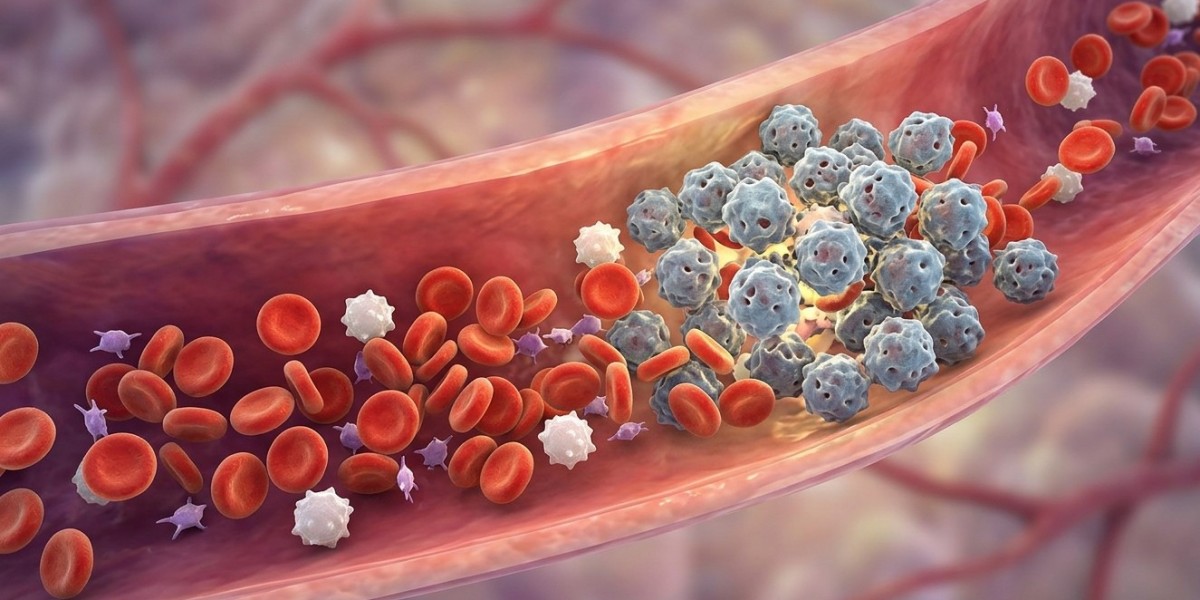

Blood cell cancers are a life-threatening medical condition that disrupts the body's ability to produce and use blood. Unlike solid tumor cancers, this disease uses the bloodstream to spread while attacking crucial body systems, including the immune system, oxygen delivery, and blood clotting. Because blood circulates throughout the body, the cancer spreads rapidly; therefore, doctors must diagnose and treat this condition promptly.
What is blood cell cancer?
Blood cell cancer is a medical condition involving the uncontrolled growth of abnormal cells within blood-forming tissues. A healthy body maintains blood cells through a predefined life cycle, which includes growth and active function until their necessary death. Cancer disrupts normal bodily functions.
Abnormal cells multiply uncontrollably, leading to the invasion of healthy cells. This condition causes three main health problems, including decreased immunity, anemia, and blood clotting problems. The body experiences multiple alterations in its organs and systems when this imbalance persists for an extended period.
Types of blood cell cancers
1. Leukemia
Leukemia is a blood cancer that primarily affects white blood cells. These cells, which protect the body from infections, lose their ability to function when they develop abnormalities.
2. Lymphoma
Lymphoma originates in the lymphatic system, which functions as a component of the immune system. The disease typically causes swollen lymph nodes, along with symptoms such as fever and fatigue.
3. Multiple myeloma
Plasma cells help produce antibodies. When these cells become cancerous, they begin to damage bones, while also disrupting the body's defenses against infections.
Common symptoms
The symptoms of blood cell cancers are often subtle in the early stages, making them easy to miss. Common signs may include:
Persistent fatigue and weakness
Frequent infections
Fever and night sweats
Unexplained weight loss
Easy bruising or bleeding
Bone or joint pain
Swollen lymph nodes
If these symptoms persist or worsen, medical attention should be sought immediately.
Causes and risk factors
While the exact cause of blood cell cancer is not always known, several factors can increase the risk:
Genetic mutations: Changes in DNA cause abnormal cell growth.
Radiation exposure: High exposure to radiation causes cell damage.
Exposure to chemicals: Benzene and other substances are associated with an increased risk of cancer.
Weakened immune system: Chronic medical conditions and certain drugs cause a decrease in immune defenses; the combination of chronic diseases and certain medications results in less immune protection.
Family history: Some cases are linked to hereditary genetic factors; family history indicates that certain cases are related to inherited genetic factors.
Understanding these risks can help in early detection and prevention strategies.
Diagnosis
The diagnosis of hematological cancers involves multiple tests to confirm the condition and determine its severity:
Blood test to measure abnormal cell counts
Imaging tests, such as computed tomography (CT) or magnetic resonance imaging (MRI)
Biopsies to examine tissue samples
Genetic tests to identify mutations
Early diagnosis is one of the most important factors for successful treatment.
Treatment options
Treatment depends on the type and stage of cancer, as well as the patient's overall health. Common treatment methods include:
1. Chemotherapy
This uses drugs to destroy cancer cells or stop their growth.
2. Radiotherapy
High-energy radiation is used to attack and destroy cancer cells.
3. Targeted therapy
This focuses on specific cancer cells, while minimizing damage to healthy tissue.
4. Immunotherapy
This approach strengthens the body's immune system to fight cancer.
5. Stem cell transplantation
The procedure offers a treatment that uses healthy blood-producing cells to replace damaged cells, giving certain patients the possibility of a prolonged recovery time.
How long can you live after a bone marrow transplant?
Success rates for this treatment vary due to several factors, including the type of cancer, the patient's age, their overall health, and their response to treatment. Some individuals achieve long-term remission, allowing them to live for many years, while others experience complications that shorten their life expectancy. The factors that determine survival after a bone marrow transplant are vital in your case, as most patients who receive an early diagnosis and ongoing medical care survive beyond five years.
Living with blood cell cancer
Managing life with blood cancer requires ongoing care and lifestyle adjustments. Patients are encouraged to:
Follow a balanced and nutritious diet.
Maintain good hygiene to prevent infections.
Attend regular medical checkups.
Seek emotional and psychological support.
Support systems, including family and health professionals, play a crucial role in recovery.
Prevention and awareness
Although not all blood cancers can be prevented, certain measures can reduce the risk:
Avoid exposure to harmful chemicals
Limit unnecessary exposure to radiation
Maintain a healthy lifestyle
Stay informed about your family medical history
Early detection and routine medical checkups can lead to faster diagnosis and better outcomes.
Conclusion
Blood cancers present difficulties and challenges for medical teams; however, current medical advances are leading to better treatments thanks to advanced technology that contributes to improved patient health. The field of medicine has developed advanced therapies and specialized care systems that provide better outcomes for patients, including higher survival rates and a better quality of life.
People who learn about the symptoms, causes, and treatment options can use this knowledge to improve their health, find health tourism options, and choose those alternatives that help them achieve long-term recovery and well-being.