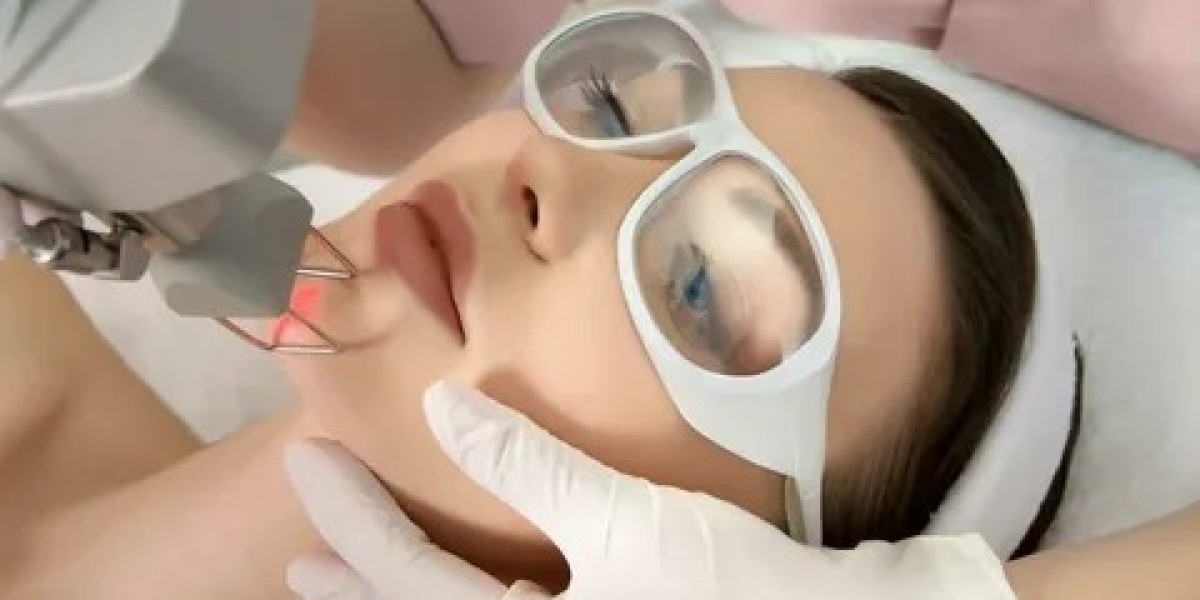

Determining if you are a suitable candidate for Fractional CO2 Laser Treatment in Dubai is a medical decision, not a cosmetic one. It requires a thorough assessment of your skin type, specific concerns, medical history, lifestyle, and psychological readiness. This blog provides a detailed, clinician-oriented breakdown of the inclusion and exclusion criteria, helping you understand what makes an ideal candidate and what factors might disqualify or require modification of the treatment plan.
Proper candidacy assessment is the first and most critical step toward a safe and successful outcome.
Core Inclusion Criteria: Who Thrives with This Treatment?
The most successful patients share these characteristics:
1. Specific, Diagnosable Concerns:
You must have a clear indication that fractional CO2 laser is known to treat effectively:
- Atrophic acne scars (boxcar, rolling)
- Moderate to severe photodamage (actinic keratoses, significant dyschromia, rough texture)
- Fine to moderate static wrinkles
- Enlarged pores
- Surgical or traumatic scars
2. Appropriate Fitzpatrick Skin Type:
The Fitzpatrick scale classifies skin's reaction to sun.
- Ideal: Types I, II, III (fair to light olive). Lowest risk of post-inflammatory hyperpigmentation (PIH).
- Treatable with Caution: Type IV (olive to moderate brown). Requires conservative settings, pre-treatment priming, and absolute sun avoidance. Higher PIH risk.
- Generally Not Recommended: Types V, VI (dark brown to black). The risk of PIH is unacceptably high for traditional fractional CO2. Alternative treatments (e.g., non-ablative lasers, specific picosecond lasers) are preferred.
3. Realistic Expectations:
You understand that:
- Results are progressive, taking 3-6 months to fully manifest.
- Improvement is significant but not perfect (e.g., 30-50% scar reduction).
- Downtime is real (7-14 days of social withdrawal, several weeks of redness).
- Sun protection is lifelong post-treatment to maintain results and prevent PIH.
4. Good General and Skin Health:
- No active skin infections (cold sores, bacterial folliculitis, fungal infections) in the treatment area.
- No uncontrolled systemic diseases (e.g., autoimmune disorders, poorly controlled diabetes).
- Non-smoker (smoking impairs wound healing and increases complication risk).
- Not pregnant or breastfeeding (due to unknown fetal/infant effects of medications and theoretical healing risks).
5. Commitment to Aftercare:
You are willing and able to follow a meticulous aftercare regimen involving gentle cleansing, frequent ointment application, strict sun avoidance, and follow-up visits.
6. Off Isotretinoin (Accutane):
You have not taken isotretinoin within the last 6 months. This drug severely impairs wound healing and dramatically increases scarring risk.
Detailed Exclusion Criteria and Contraindications
These conditions either contraindicate treatment or require extreme modification:
Absolute Contraindications (Do Not Treat):
- Active, untreated skin cancer in the treatment area.
- History of keloid or hypertrophic scarring (unless treating a very small, non-cosmetic area with extreme caution).
- Uncontrolled acne vulgaris with active inflammatory papules/pustules.
- Impaired immune system (e.g., HIV with low CD4, chemotherapy, high-dose steroids).
- Use of photosensitizing medications (e.g., doxycycline for acne, certain diuretics) that cannot be discontinued.
- Pregnancy or lactation.
Relative Contraindications (Require Modification/Extreme Caution):
- Fitzpatrick Skin Type V-VI: As above, very high PIH risk. Usually not recommended.
- History of PIH or melasma: These conditions are easily triggered. Aggressive pre- and post-pigment management is required. Sometimes treatment is contraindicated.
- Recent chemical peels or other resurfacing (within 6 months).
- History of radiation therapy to the face/neck.
- Active herpes simplex virus (HSV) infection: Must be prophylactically treated with antivirals if a history exists.
- Unrealistic expectations or body dysmorphic disorder (BDD): These patients are rarely satisfied and may seek unnecessary repeat treatments.
- Inability to comply with sun protection (e.g., outdoor workers without the ability to avoid sun).
The Medical History Deep Dive
During your consultation, your provider will ask detailed questions. Be prepared to discuss:
- All medications and supplements: Especially blood thinners (aspirin, warfarin, fish oil, vitamin E), isotretinoin history, and current acne treatments.
- Past cosmetic procedures: Dates and types of previous lasers, peels, fillers, Botox.
- Skin conditions: History of eczema, psoriasis, rosacea, cold sores, melasma.
- Healing history: Do you tend to scar or pigment easily? Have you had poor healing from cuts or surgeries?
- Lifestyle: Smoking/vaping status, alcohol consumption, occupation (sun exposure), ability to take downtime from work/social life.
- Family history: Of keloids or unusual scarring.
This history is not intrusive; it is essential for your safety.
The Physical Examination: What the Provider Looks For
The consultation includes a thorough skin exam:
- Fitzpatrick Assessment: Determined by your natural skin color, eye color, and reaction to sun (burn vs. tan).
- Scar/Concern Mapping: The provider will palpate and classify your scars (ice-pick, boxcar, rolling). They will assess wrinkle depth and skin laxity.
- Pigmentation Analysis: Using a Wood's lamp or special light, they can see the depth of pigment (epidermal vs. dermal). Dermal melasma is harder to treat.
- Skin Thickness and Texture: Thinner skin (around eyes) requires gentler settings.
- Presence of Active Lesions: Any pimples, milia, or actinic keratoses must be treated or avoided.
- Overall Facial Anatomy: Bone structure, muscle strength, and volume loss are assessed to understand the full aging picture.
The Psychological Candidacy: Mindset Matters
Aesthetic procedures are elective. The right psychological profile is key.
- You are seeking improvement, not perfection.
- Your self-esteem is not solely dependent on your skin's appearance.
- You are doing this for yourself, not to please a partner or due to external pressure.
- You can afford the cost and downtime without financial or social hardship.
- You trust your provider's judgment and are willing to accept their recommendation if they suggest an alternative treatment.
If you have significant anxiety about your appearance that interferes with daily life, a psychological screening for Body Dysmorphic Disorder (BDD) may be warranted before proceeding. Reputable clinics screen for this.
Special Populations: Modified Candidacy
Younger Patients (20s-30s):
- Often seeking treatment for acne scarring.
- Must have completely inactive acne for 6+ months.
- Must understand that scarring is a permanent structural issue; laser remodels but does not "erase."
- PIH risk is a major consideration, even in lighter skin types.
Older Patients (60s+):
- Skin is thinner, healing is slower.
- More likely to have medical comorbidities (diabetes, vascular disease) that need clearance.
- May have higher risk of prolonged erythema (redness).
- Benefits can still be dramatic, but settings are often more conservative.
Men:
- Often have thicker skin and may require slightly higher energy.
- May have less tolerance for downtime due to work.
- Less likely to use sunscreen post-treatment, requiring extra education on its critical importance.
The "Test Spot" Option
For patients with higher-risk characteristics (Fitzpatrick IV, history of PIH), a test spot is a prudent and standard practice.
- A small, discreet area (e.g., behind the ear or on the lateral neck) is treated with the proposed settings.
- It is monitored for 4-6 weeks for healing quality and any pigment changes.
- If the test spot heals well without PIH, the full treatment can proceed with confidence.
- If PIH occurs, the settings are adjusted or an alternative treatment is chosen.
This is a sign of a responsible, cautious provider, not a lack of confidence.
When Fractional CO2 is NOT the Right Choice
An ethical provider will sometimes recommend against fractional CO2 laser and suggest alternatives:
- For very dark skin (Fitzpatrick V-VI): Picosecond lasers, non-ablative fractional lasers, or certain radiofrequency microneedling devices are safer for pigment reasons.
- For primarily dynamic wrinkles: Botox is superior and has no downtime.
- For significant volume loss: Fillers or fat grafting are necessary first.
- For mild texture/pigment: A series of chemical peels or non-ablative lasers may suffice with less risk.
- For someone who cannot avoid the sun for 6 months: Any resurfacing is contraindicated.
The best candidate is not the one who wants the laser, but the one for whom it is the most appropriate and safest tool for their specific concern.
Your Role in the Candidacy Assessment
Be an active participant:
- Be brutally honest about your medical history, skincare habits, and sun exposure.
- Ask questions about why you are or are not a candidate.
- Request to see before-and-after photos of patients with your exact skin type and concern.
- Discuss your lifestyle openly—can you truly avoid sun and commit to aftercare?
- Get a second opinion if you are unsure. A true expert will give you the same candid assessment.
Conclusion
Candidacy for Fractional CO2 Laser Treatment in Dubai is a multifaceted medical evaluation. It hinges on a match between your skin's characteristics, your specific concerns, and the treatment's mechanism of action. The ideal candidate has a clear, treatable indication, a favorable skin type, excellent general health, realistic expectations, and a commitment to the process.
If you are exploring this treatment, your first step is a thorough consultation with a board-certified dermatologist or aesthetic physician who will perform this deep dive. They will determine if you are a candidate and, if not, guide you toward the safest and most effective alternative. At Tajmeels Clinic, this comprehensive assessment is the non-negotiable foundation of every treatment plan, ensuring that only those who will truly benefit and heal well are treated.
Your safety and a successful outcome begin with the right diagnosis and candidacy determination.