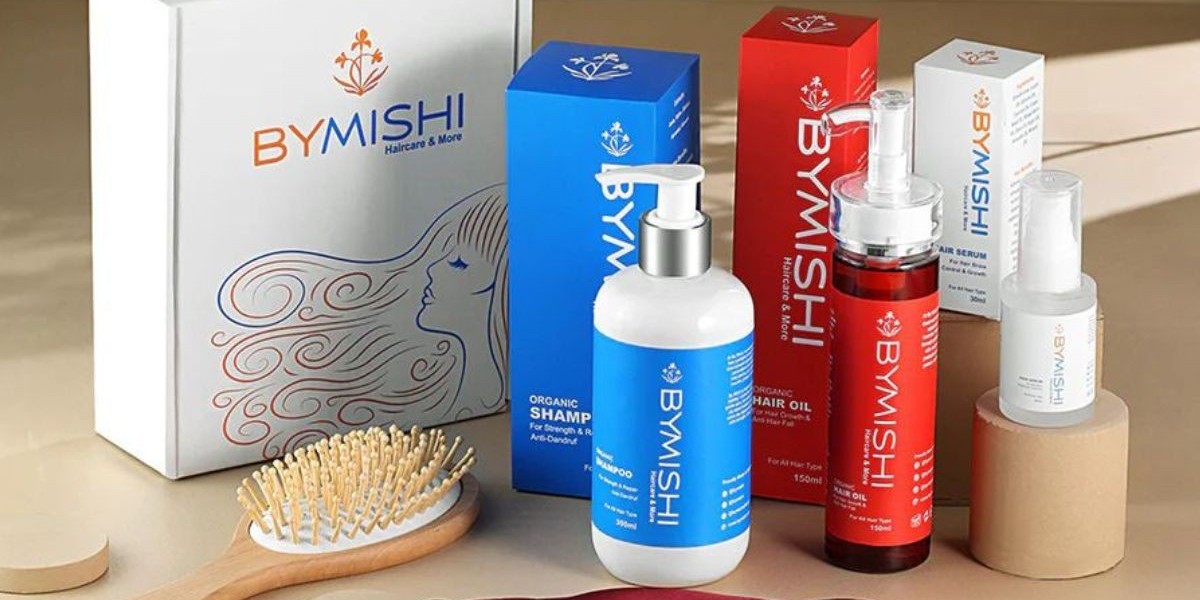

Hair is one of the first things people notice about you. It reflects your health, your lifestyle, and how well you take care of yourself. Yet despite how much people care about their hair, most are still using the wrong products or following routines that do not work for their specific needs. Pakistan has a diverse population with different hair types, different climates across regions, and different water conditions. All of these factors influence what your hair needs on a daily basis. Understanding hair care products in Pakistan properly is the first step toward making choices that actually deliver results.
How Pakistan's Environment Affects Your Hair
Living in Pakistan means your hair deals with a combination of challenges that people in milder climates simply do not face.
Summer temperatures regularly cross 40 degrees Celsius in many parts of the country. That kind of heat dries out the hair shaft, weakens the roots, and makes the scalp sweat more, which leads to buildup and itchiness. Extended sun exposure bleaches the natural pigment from hair and breaks down the protein structure that keeps hair strong.
Monsoon season brings its own problems. High humidity causes the hair to absorb moisture from the air unevenly, which leads to frizz and puffiness. For people with naturally wavy or curly hair, monsoon months can feel like a constant battle.
Winter in northern Pakistan brings dry and cold air that strips moisture from the hair and scalp, causing flakiness, dryness, and static. People in these regions often notice their hair becoming more brittle and prone to breakage during winter months.
On top of all this, pollution levels in major Pakistani cities are among the highest in the world. Airborne particles settle on the scalp, block follicles, and dull the natural shine of hair. This is why people in cities often notice their hair looking flat and lifeless even right after washing.
These environmental realities make it clear why selecting the right hair care products in Pakistan is not just a cosmetic decision. It is a practical one that affects the long-term health of your hair.
Know Your Hair Before You Buy Anything
The single biggest mistake people make when buying hair products is not knowing their own hair type. They see an advertisement or get a recommendation from a friend and buy something without thinking about whether it suits their specific hair.
Hair type is determined by two main things: texture and scalp condition. Texture refers to whether your hair is fine, medium, or coarse, and whether it is straight, wavy, or curly. Scalp condition refers to how much oil your scalp produces. You can have a greasy scalp with dry ends, a dry scalp with normal ends, or a balanced scalp throughout.
Pakistani hair is often medium to coarse in texture and tends toward an oily scalp, especially in humid coastal regions. But there is significant variation depending on genetics and region. People in cooler, drier northern areas often have drier scalps compared to those living in Sindh or southern Punjab.
Once you clearly understand your hair type, choosing the right hair care products in Pakistan becomes a much more straightforward process.
Shampoo: Getting the Basics Right
Most people think of shampoo as a simple product, but the wrong shampoo can cause more harm than good over time. Shampoos that contain harsh sulfates clean very aggressively. They remove dirt and oil effectively but also strip away the natural sebum that your scalp produces to protect the hair. When this protective layer is removed too often, the scalp overcompensates by producing even more oil, which creates a cycle of greasiness that feels impossible to break.
For oily scalp types, a gentle balancing shampoo used every two to three days is ideal. For dry scalp types, a moisturizing shampoo with hydrating ingredients used no more than twice a week works better. For people dealing with dandruff, a medicated shampoo with active anti-fungal ingredients should be used consistently for several weeks before switching to a milder maintenance option.
Sulfate-free shampoos are worth trying for most hair types. They foam less but clean just as effectively while preserving moisture. They are particularly good for people with color-treated or chemically processed hair.
Conditioning: The Step You Cannot Skip
If there is one habit that makes the biggest visible difference to hair quality, it is conditioning consistently. Yet it remains the most commonly skipped step in hair routines across Pakistan.
Conditioner works by coating the outer layer of the hair shaft with moisturizing and smoothing ingredients. This reduces friction between strands, prevents tangling, adds softness, and creates a natural-looking shine. Hair that is conditioned regularly is noticeably more manageable and less prone to breakage compared to hair that is only shampooed.
Regular conditioners work well when left on for two to three minutes after shampooing. Hair masks and deep conditioners are thicker and more concentrated and should be used once a week for twenty minutes to give the hair more intensive nourishment.
Among hair care products in Pakistan, conditioners with natural ingredients like aloe vera, argan oil, hibiscus, and egg protein are widely available and particularly effective for local hair types. These ingredients address the specific issues of dryness, breakage, and frizz that are so common in the Pakistani climate.
Hair Oils: Ancient Wisdom Backed by Science
Oil application has been central to hair care in South Asian culture for thousands of years. What was once purely traditional practice is now supported by scientific research showing that certain oils genuinely improve hair health when used correctly.
Coconut oil is the most scientifically studied hair oil. Research shows it reduces protein loss in both damaged and undamaged hair by penetrating the hair shaft rather than just sitting on the surface. Applying it before washing provides a protective barrier that reduces the harshness of shampooing.
Castor oil promotes scalp circulation and is rich in ricinoleic acid, which has been linked to improved hair growth. Because it is very thick, mixing it with a lighter carrier oil makes it easier to spread through the hair.
Argan oil is lightweight and rich in vitamin E and fatty acids. It works well as a finishing treatment applied to damp hair to add shine and reduce frizz without making hair greasy.
The variety of hair oils available among hair care products in Pakistan is excellent. From traditional single oils to modern blended formulas with herbal extracts, there is something available for every hair concern and every budget.
Serums, Heat Protectants, and Styling Products
As more Pakistani consumers become educated about hair care, demand for specialized products like serums and heat protectants has grown significantly. These products were once considered luxury items but are now widely accessible.
A hair serum applied to damp or dry hair controls frizz, adds shine, and protects against humidity and environmental damage. For anyone living in a humid city or spending time outdoors regularly, a serum is a practical addition to any routine.
Heat protectants are essential for anyone using blow dryers, flat irons, or curling tools. Direct heat above 180 degrees Celsius causes permanent structural damage to the hair. A heat protectant spray or cream creates a barrier that significantly reduces this damage.
Dry shampoos have also gained popularity as a quick solution for refreshing hair between washes. They absorb excess oil at the roots and add volume, which is useful on busy days when there is no time for a full wash.
Common Mistakes to Avoid
Many people spend money on good products but do not see results because of how they use them. Washing hair with very hot water opens the cuticle too aggressively and strips moisture. Always rinse with cool or lukewarm water. Rubbing hair vigorously with a towel causes breakage because wet hair is fragile. Pat it dry gently instead.
Skipping the scalp when oiling and only applying oil to the lengths misses the point entirely. The scalp is where growth starts and where oil has the most impact. Brush hair before washing to detangle it and distribute natural oils rather than after washing when it is most fragile.
Where to Buy and What to Look For
Hair care products in Pakistan are available through pharmacies, supermarkets, beauty stores, and online platforms. Online shopping has expanded access significantly, making it possible to find both local and imported products at competitive prices with home delivery.
When buying, prioritize ingredient quality over packaging and marketing claims. A simple product with good ingredients will always outperform a flashy product with harmful fillers. Check expiry dates, buy from reputable sellers, and introduce new products one at a time so you can track what works for your hair.
To read more blog: Click Here
Final Thoughts
Great hair does not require complicated routines or expensive products. It requires consistency, the right knowledge, and products that match your specific hair type and environment. The market for hair care products in Pakistan continues to grow and improve, offering consumers better options every year. Take the time to understand what your hair needs, build a simple routine around those needs, and give your products enough time to work. The results will come, and they will last.