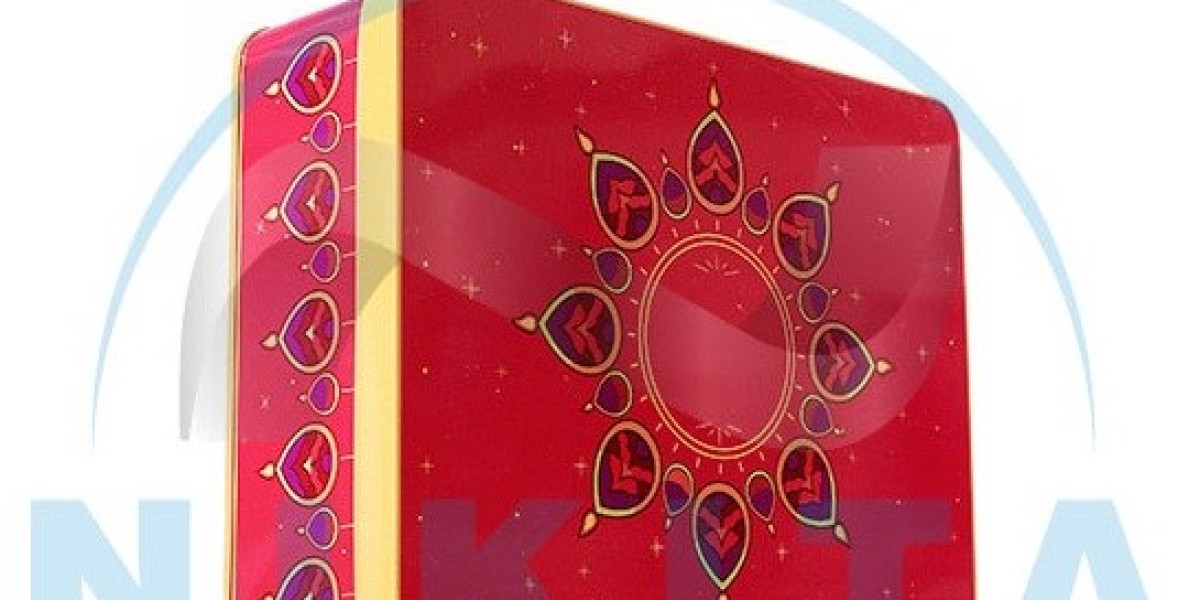

Tin Plate Packaging has become a trusted solution for brands seeking stronger protection, better product integrity, and safer delivery systems. As supply chains grow more complex and consumers demand transparency, tamper-proof packaging is no longer optional. It is essential.
From food safety concerns to counterfeit risks, modern businesses are under pressure to ensure their products reach customers exactly as intended. Packaging plays a critical role in building that trust. Among various materials available today, tin plate stands out as a reliable and future-ready option.
Understanding Tamper-Proof Packaging
Tamper-proof packaging refers to packaging that clearly shows if a product has been opened, altered, or interfered with. It acts as both a physical barrier and a visible signal of safety.
In industries such as food, cosmetics, and FMCG, even minor breaches can affect quality and brand reputation. A secure packaging system helps prevent such risks while reassuring customers that the product is untouched.
Tin plate packaging is especially effective in this area because of its structural strength and sealing capabilities. Unlike flexible materials, it provides a rigid and dependable shield against external interference.
Why Tamper Protection Matters More Than Ever
Modern consumers are more aware than ever. They check seals, inspect packaging, and expect brands to prioritise safety.
At the same time, global distribution networks expose products to multiple handling points. Each stage increases the possibility of damage or tampering.
For manufacturers and brand owners, this creates a dual responsibility:
Protect the product physically
Communicate safety clearly to the end user
Tin plate packaging meets both expectations with ease.
How Tin Plate Packaging Enhances Product Safety
Tin plate is made by coating steel with a thin layer of tin, creating a material that is both durable and corrosion-resistant. This combination makes it ideal for secure packaging applications.
Its strength allows it to resist dents, punctures, and forced entry. When sealed properly, it forms an airtight enclosure that protects contents from contamination.
Additionally, tin plate packaging supports features such as:
Tight-fitting lids
Sealed edges
Custom locking mechanisms
These elements work together to ensure that any tampering attempt becomes immediately visible.
Key Benefits of Tin Plate Packaging for Tamper Protection
Below are some of the most practical advantages that make tin plate a preferred choice:
Strong Physical Barrier
Tin plate offers high resistance to impact and pressure. This reduces the chances of accidental damage or intentional interference.
Airtight and Secure Sealing
Once sealed, the packaging maintains its integrity. This helps prevent exposure to air, moisture, and contaminants.
Protection from UV Rays
Sensitive products such as food and cosmetics benefit from reduced light exposure, preserving quality over time.
Non Toxic and Safe Material
Tin plate does not react with most contents, ensuring that the product remains safe for consumption or use.
Tamper Visibility
Any attempt to open or alter the packaging leaves clear signs, helping both retailers and consumers identify issues quickly.
Aroma and Flavour Retention
The airtight structure locks in freshness, making it ideal for food products that rely on taste and scent.
Excellent Printability
Brands can include safety instructions, seals, and visual cues directly on the packaging, improving communication and trust.
Comparing Tin Plate with Other Packaging Materials
When evaluating tamper-proof options, businesses often compare tin plate with plastic and glass.
Plastic packaging is lightweight and cost-effective, but it can be easier to puncture or reseal without clear evidence. This can compromise product safety.
Glass offers good protection but is fragile and prone to breakage during transport. It also lacks flexibility in tamper-evident design.
Tin plate packaging, on the other hand, balances durability, safety, and design flexibility. It provides a robust structure while allowing manufacturers to integrate visible tamper-proof features.
Sustainability and Safety Go Hand in Hand
Modern brands are not only focused on safety but also on environmental responsibility. Packaging decisions now reflect both priorities.
Tin plate packaging supports sustainability in several ways:
It is fully recyclable without losing quality
It can be reused multiple times
It reduces the need for additional protective layers
This makes it a strong choice for companies looking to align safety with eco-conscious practices.
In a circular economy, materials that can be continuously recycled hold significant value. Tin plate fits naturally into this model, offering both performance and responsibility.
Real World Applications Across Industries
Tamper-proof tin plate packaging is widely used across multiple sectors.
In the food industry, it helps maintain hygiene and extends shelf life. Products such as biscuits, confectionery, and spices benefit from its airtight properties.
In cosmetics, it protects formulations from contamination while offering a premium appearance.
For FMCG brands, it provides a reliable way to ensure products remain intact throughout distribution.
These use cases highlight how tin plate packaging adapts to different needs while maintaining consistent safety standards.
What Buyers Should Look for in Tamper-Proof Packaging
Choosing the right packaging involves more than selecting a material. It requires careful evaluation of design, sealing, and usability.
Here are a few factors to consider:
Seal integrity and closure design
Resistance to physical damage
Compatibility with the product
Ease of detection in case of tampering
Sustainability credentials
Tin plate packaging performs well across all these parameters, making it a dependable option for industrial buyers.
Conclusion
Tamper-proof packaging has become a fundamental requirement in today’s market. It protects not just products, but also brand reputation and consumer trust.
Tin plate packaging offers a balanced solution that combines strength, safety, and sustainability. Its ability to prevent tampering, preserve product quality, and support eco-friendly goals makes it highly relevant for modern brands.
Over the years, companies such as Nikita Containers have contributed to advancing this space. Founded in 1993 in Umbergaon, Gujarat, the company has grown from a small aluminium tube manufacturer to a global supplier of high-quality metal containers, serving industries including food, confectionery, cosmetics, and custom packaging. With a focus on recyclable tin plate solutions, durability, and innovation, it reflects the evolving standards of safe and responsible packaging.
As industries continue to evolve, the role of secure and sustainable packaging will only become more important. Tin plate remains well positioned to meet that demand.
FAQs:
What is tamper-proof packaging?
Tamper-proof packaging is designed to show visible signs if a product has been opened or altered, ensuring safety and integrity.
Why is tin plate packaging considered safer?
It provides a strong, airtight barrier that prevents contamination and makes tampering easily noticeable.
Is tin plate packaging environmentally friendly?
Yes, it is fully recyclable and can be reused multiple times without losing its properties.
Can tin plate packaging be used for food products?
It is widely used in the food industry due to its non toxic nature and ability to preserve freshness.
How does tin plate packaging improve shelf life?
Its airtight sealing protects products from air, moisture, and light, helping maintain quality for longer periods.