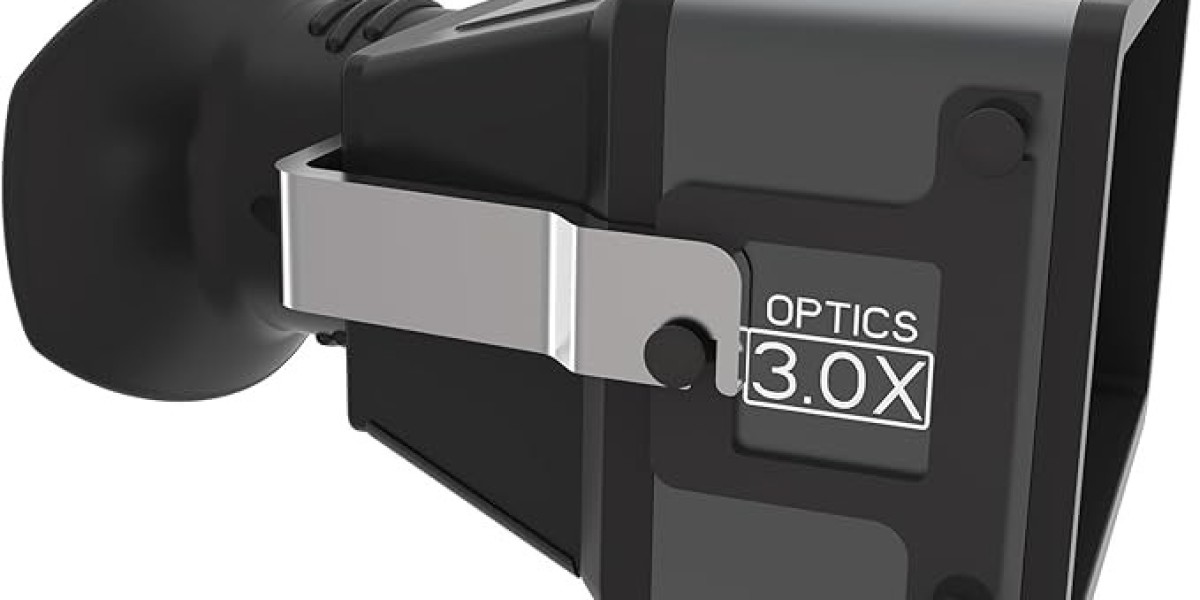

In the world of professional photography, cinematography, and high-end industrial imaging, the EVF optical module (Electronic Viewfinder) has officially surpassed the traditional optical viewfinder. For a photographer or a drone pilot, the EVF is the window into their digital world. It doesn't just show a preview; it shows the final exposure, the color balance, and the critical focus in real-time.
At ARVR Optical, we specialize in the optoelectronic components that make these high-performance modules possible. This guide explores the technology behind the EVF, the shift toward Micro OLED displays, and what you should look for when selecting a module for your next device.
What is an EVF Optical Module?
An EVF optical module is a compact system that combines a high-resolution microdisplay with a specialized lens assembly. Unlike the "optical" viewfinders found in old DSLR cameras (which used mirrors to show light coming through the lens), an EVF is a tiny, ultra-high-definition screen.
When you look through an EVF, you are looking at a digital stream of data. This allows for "What You See Is What You Get" (WYSIWYG) shooting, where changes to ISO, aperture, or shutter speed are visible instantly before you even take the photo.
The Three Pillars of EVF Performance
To outrank the competition in the imaging market, an EVF optical module must excel in three technical areas. At ARVR Optical, we focus our R&D on these specific benchmarks:
1. Display Resolution and Refresh Rate
A professional-grade EVF requires a Micro OLED or LCoS display with at least 3.6 million dots (and often up to 9 million dots for 4K viewing). Furthermore, the refresh rate must be 120Hz or higher. This ensures that when you pan the camera quickly, there is no "smearing" or motion blur, providing a life-like experience.
2. Optical Magnification and Eye Point
The lenses inside the module determine how "big" the screen looks to your eye. A high-quality EVF optical module from ARVR Optical offers a magnification of 0.75x to 0.90x. Additionally, a long "eye point" (the distance your eye can be from the glass while still seeing the whole image) is essential for users who wear glasses.
3. Zero Latency (Lag-Free Viewing)
In sports or wildlife photography, a delay of even a few milliseconds can mean missing the perfect shot. Our modules are engineered for sub-0.01ms latency, ensuring the digital image stays perfectly synchronized with the real-world action.
EVF vs. Traditional Optical Viewfinders
| Feature | EVF Optical Module (ARVR Optical) | Optical Viewfinder (DSLR) |
| Real-Time Exposure | Yes (Shows final image) | No (Shows raw light) |
| Data Overlay | Yes (Histogram, Focus Peaking) | Very Limited |
| Low-Light Performance | Bright and Clear (Digital Gain) | Dark and Hard to See |
| Coverage | 100% (Full Frame) | Often 95% - 98% |
| Weight | Lightweight / Compact | Bulky / Heavy (Penta-prism) |
Key Applications for EVF Modules
The versatility of the EVF optical module extends far beyond standard photography:
Mirrorless Cameras: The primary driver of the market, where brands like Sony, Canon, and Nikon require ultra-high-resolution viewfinders.
Thermal and Night Vision: Military and search-and-rescue teams use our modules to view thermal heat signatures in pitch-black environments.
Drone Piloting (FPV): Pilots use head-mounted EVF modules to see exactly what the drone sees in 4K resolution with zero lag.
Medical Endoscopy: Surgeons use high-fidelity viewfinders to perform minimally invasive procedures with microscopic detail.
Overcoming "Eye Strain" in Digital Viewfinders
A common complaint with cheap EVFs is eye fatigue. At ARVR Optical, we solve this through "Diopter Adjustment" and "Blue Light Filtering." Our modules include a built-in dial that allows users to adjust the focus (typically from +2 to -4) so they can use the camera without their prescription glasses. We also utilize high-transmittance coatings on the lenses to reduce internal reflections that cause glare.
The Future: 4K Micro OLED Integration
In 2026, the industry is moving toward 4K resolution in every EVF optical module. By utilizing ARVR Optical’s silicon-based Micro OLED panels, we can achieve 4000+ PPI (Pixels Per Inch). This makes the individual pixels invisible to the human eye, creating a "Retina-class" viewing experience that is indistinguishable from looking through a window.
Why Choose ARVR Optical?
At ARVR Optical, we understand that the viewfinder is a high-precision instrument. We provide:
Custom Optical Stacks: We can adjust the lens elements to fit specific body designs.
High Contrast Ratios: Our OLED-based modules offer 100,000:1 contrast, providing deep blacks and vibrant colors.
Weather-Sealed Design: Our modules are built to withstand humidity and temperature shifts without "fogging" internally.
Conclusion
The EVF optical module is the bridge between human vision and digital data. It has transformed the way we capture images by providing more information, better clarity, and a lighter hardware profile. As camera and imaging technology continues to advance, the demand for higher resolution and faster refresh rates will only grow.
Whether you are an engineer designing the next flagship mirrorless camera or a buyer looking for reliable components for industrial imaging, ARVR Optical remains your dedicated partner in precision optoelectronics.