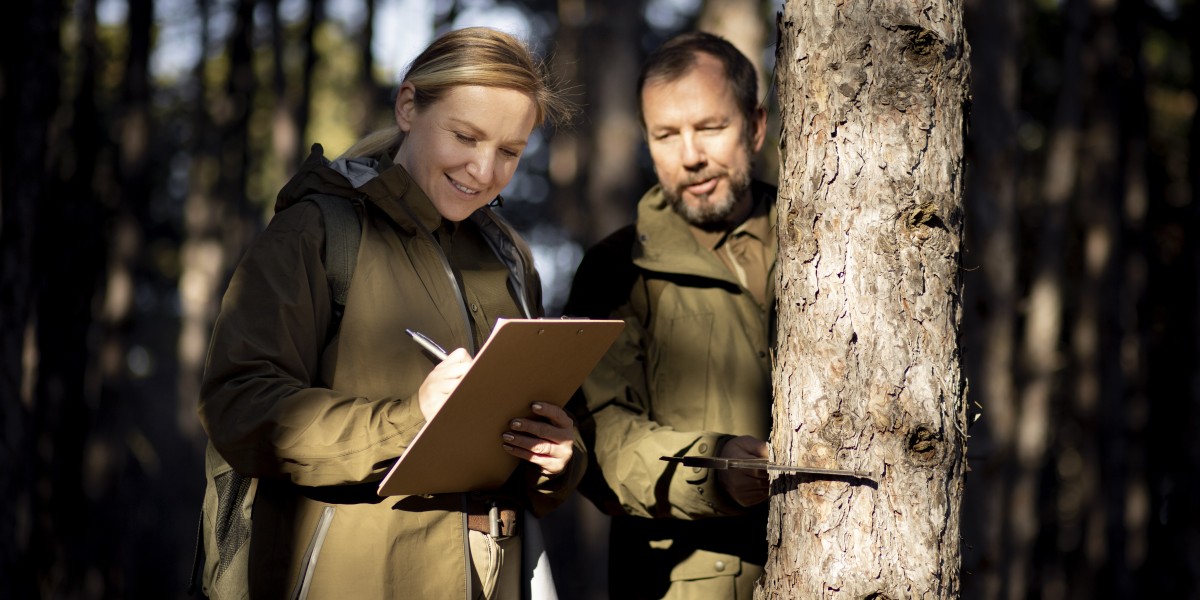

Vermont’s landscape really comes alive in its vast woodlands—about 78% of the state is forest. In 2026, keeping these forests healthy depends on smart management that protects nature while supporting the state’s rural economy. Most of these woods—more than 80%—are privately owned, so a lot of the management focuses on helping landowners balance their own interests with what’s good for the environment.
How the Forest Management Practices Vermont Works
Everything starts with a solid management plan. In Vermont, these plans are pretty thorough—they spell out the health of each forest parcel and set up a roadmap for what to do next. One big reason landowners actually bother with these plans is the "Current Use" program, which offers tax breaks for folks who actively manage their land.
Recently, Vermont rolled out a "Reserve Forestland" option under this program. This lets owners manage some spots for “old forest” conditions, focusing on things like carbon storage and biodiversity instead of just cutting timber.
Hands-On Forestry Techniques
The core of Vermont forestry is silviculture, which is really about guiding how forests grow. A few techniques stand out:
Selective thinning means cutting out unhealthy or crowded trees so the rest—especially valuable ones like sugar maple or yellow birch—get more space and sunlight.
Irregular shelterwood is a staged harvesting process. Instead of clearing everything at once, foresters create mixed-age forests, which are great for songbirds and make the woods sturdier against storms.Timber Stand Improvement (TSI) isn’t about selling wood; it’s more about removing invasive species and poor-quality trees so forests can handle climate shifts better.Adapting to a Changing Climate
With Vermont’s weather getting wilder, foresters have shifted gears. They’re focused on building forests with lots of variety—different ages and types of trees—so no single pest or storm wipes everything out.They also work to protect streambanks (riparian buffers), keeping thick vegetation to prevent erosion and keep water cool for trout. And as pests like emerald ash borer move in, they’re treating valuable tree stands and mixing up the types of trees to replace ash that’s dying off.
Why It Matters
It’s not just timber or maple syrup. Managed forests also help soak up floodwaters, which matters more as heavy rains become common. They’re key wildlife corridors—moose, bear, and migratory birds all depend on them.
In the end, Vermont’s approach is built around “forest integrity.” They’re trying to keep big woodland areas connected, harvest responsibly, and make sure these forests stay healthy and productive—for both people and wildlife—well into the future.