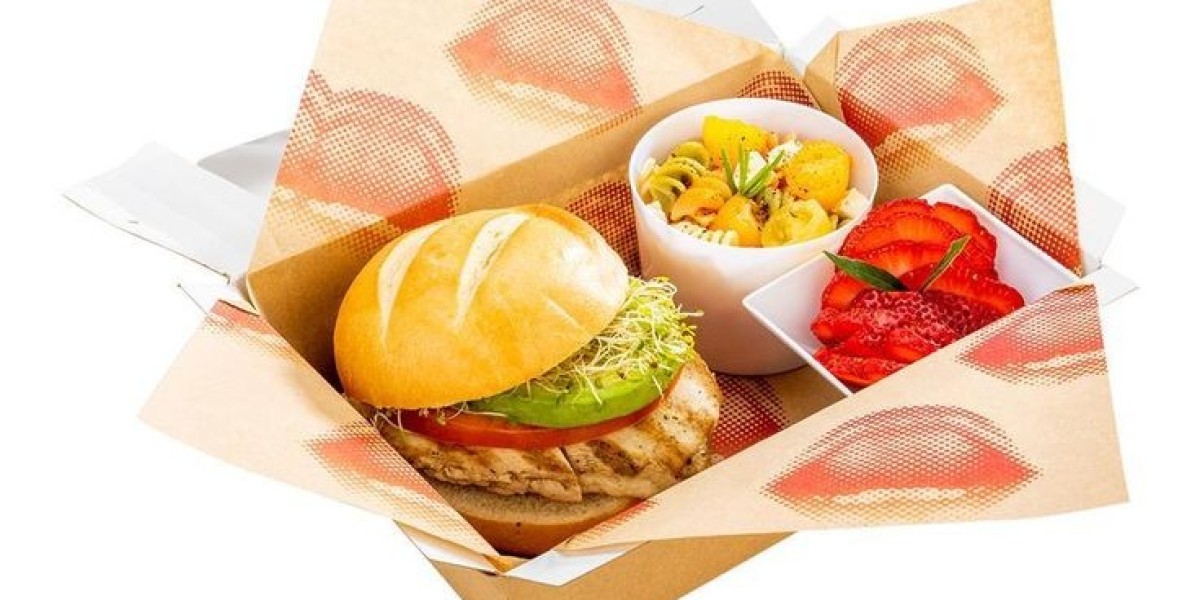

Professional food displays create lasting impressions that simple plating methods cannot match at all. Customers notice when restaurants put extra effort into how dishes look on tables. Beautiful arrangements make people feel valued and special during their dining experiences today. Brain science shows that visual memories stick around much longer than other types. When food looks amazing people want to return and experience that feeling again. Photos of well presented dishes travel across social media reaching thousands of viewers. Smart business owners understand that presentation directly affects customer loyalty and repeat visits.
How Do Colors Impact Memory Formation in Diners?
Vibrant shades on plates trigger emotional responses that plain foods simply cannot create. Red ingredients signal freshness while green items suggest health and natural quality to buyers. Contrast between different hues helps brains separate and remember each dish component clearly. Yellow and orange tones create feelings of happiness that customers associate with restaurants. Purple and blue foods stand out because people rarely see these colors naturally. Brown or beige dishes need colorful accompaniments to avoid looking dull and forgettable. Color combinations work together to build visual stories that brains enjoy processing and storing. Strategic use of natural ingredient colors makes dishes more appetizing and memorable always.
Why Does Height and Dimension Affect Customer Recall?
Tall food arrangements create visual interest that flat presentations cannot provide to diners today. Stacking ingredients adds drama and makes dishes appear more valuable than they cost. Depth on plates gives eyes multiple layers to explore which engages attention longer. Three dimensional displays photograph better than flat ones which matters for social sharing purposes. Vertical elements draw eyes upward and create excitement about what comes next always. Balance between height and stability ensures food looks impressive but remains easy to eat. Dimension transforms ordinary ingredients into architectural creations that people want to remember and discuss. Professional plating uses elevation strategically to guide where customers look first on plates.
Can Unique Serving Methods Create Stronger Memory Anchors?
Unexpected presentation formats surprise customers and force brains to pay closer attention immediately. Wooden boards or slate tiles feel different from standard ceramic plates everyone expects. Glass boxes let diners see all layers of their dish before eating anything. Hot stones or cast iron skillets add sizzle and theater to dining experiences. Paper lined baskets create casual comfort that feels authentic and approachable to many. Serving vessels become part of your brand identity that customers recognize across visits. Different formats signal that your restaurant thinks creatively about every customer touchpoint today. Memorable serving choices cost little but generate conversations that bring new customers in.
How Does Garnish Placement Influence Long Term Memory?
Small decorative elements show that chefs care about details beyond just cooking food. Strategic herb placement adds color pops that make dishes Instagram ready for sharing online. Edible flowers create luxury feelings even when the main ingredients remain simple and affordable. Sauce drizzles in patterns demonstrate skill and artistic attention from kitchen staff members. Too many garnishes overwhelm while too few leave dishes looking incomplete and rushed. Fresh green herbs signal quality and care that customers associate with better restaurants. Custom basket liners add finishing touches that complete professional presentations for takeout orders. Thoughtful garnish work separates exceptional restaurants from average ones in customer minds forever.
What Role Does Plating Symmetry Play in Remembrance?
Balanced arrangements appeal to human preference for order and intentional design choices always. Asymmetrical plating can work but requires more skill to look purposeful instead of messy. Centered placement makes dishes feel stable and professionally prepared by experienced kitchen teams. Odd numbers of items look more natural than even groups on most plates. Spacing between components lets each ingredient shine instead of crowding everything together tightly. Visual balance creates calm feelings that enhance enjoyment and positive memory formation processes. Symmetry suggests that someone took time to make this specific plate special today. Consistent plating standards across all orders build trust and recognizable restaurant identity over time.
Why Do Personalized Touches Boost Customer Memory Retention?
Names written on plates or cups make guests feel individually recognized and appreciated. Special occasion presentations for birthdays or anniversaries become cherished memories customers share widely. Dietary accommodations presented beautifully show respect for individual needs and preferences always. Regular customer favorites prepared without asking creates delight and strengthens emotional connections. WaxPapersHub offers customization options that help businesses add personal branding to every order. Small modifications based on previous visits prove that staff members remember and value customers. Personalization transforms transactional dining into relationship building experiences that last for years. Individual attention costs nothing but generates loyalty that competitors cannot easily replicate or steal.
How Does Presentation Consistency Affect Brand Memory?
Signature dishes looking identical across visits reassure customers about quality and reliability today. Staff training ensures everyone plates food using the same techniques and standards always. Consistency lets customers know exactly what to expect when they order familiar items. Photo menus should match actual presentations or customers feel disappointed and misled completely. Reliable appearance builds brand recognition that helps you stand out in crowded markets.
Can Interactive Elements Increase Memory of Dining Experiences?
Build your own options let customers participate actively in creating their perfect dish. Assembly required presentations engage multiple senses which strengthens memory formation in brains naturally. Lifting lids or opening packages creates anticipation moments that diners remember fondly later. Shared platters encourage social interaction which adds emotional layers to food memories formed. Tableside preparation adds theater and expertise displays that entertain while food cooks nearby. Food paper placed strategically can frame dishes and create unboxing excitement for customers. Participation makes customers feel invested in their experience beyond just paying and eating. Active engagement uses more brain regions which creates stronger and longer lasting memories.
Conclusion
Restaurant worthy presentation separates successful businesses from struggling competitors in tight markets today. Colors and height work together to create visual impact that customers cannot forget. Unique serving methods and thoughtful garnishes show attention to details that matter greatly. Symmetry and personalization combine to make every customer feel special and valued always. Consistency builds brand identity while interactive elements add memorable engagement to dining experiences. Why do customers remember restaurant worthy presentations longer becomes obvious through intentional design choices. Professional plating requires practice but delivers returns through loyalty and word of mouth. Invest time in developing presentation standards that reflect your business values and goals.