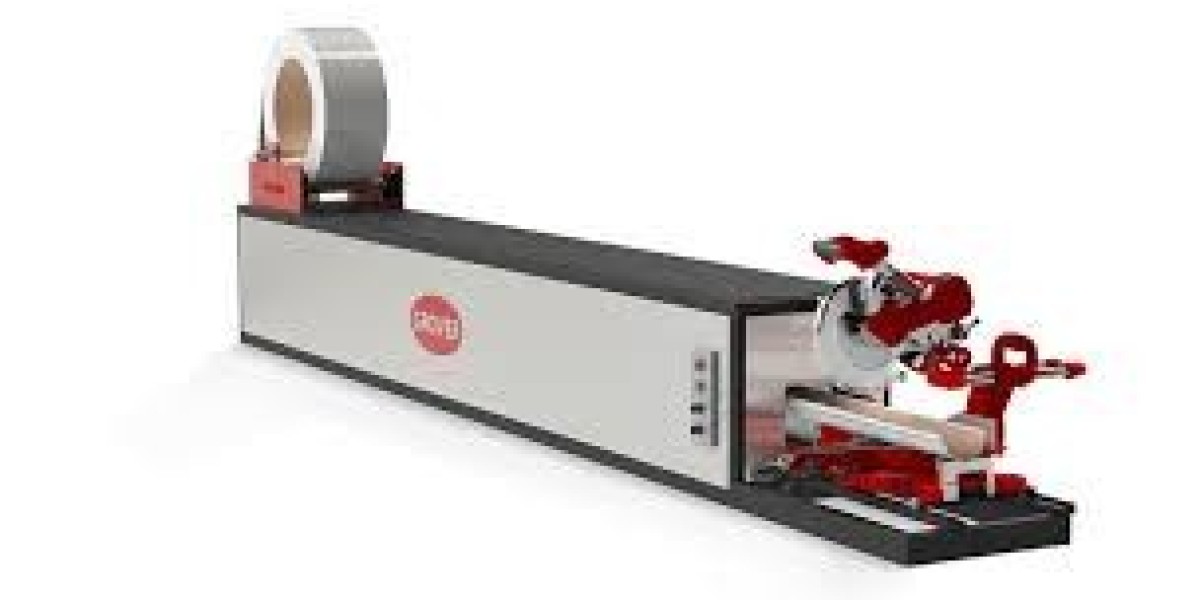

In the construction and roofing industry, gutters are often overlooked, yet they play a crucial role in protecting buildings from water damage. Properly functioning gutters prevent water from pooling around foundations, damaging siding, or causing leaks in basements and crawl spaces. As the demand for high-quality, seamless gutters grows, contractors and manufacturers have turned to gutter machines—advanced equipment that ensures precise, efficient, and durable gutter production.
What Are Gutter Machines?
Gutter machines are specialized tools used to fabricate seamless gutters directly from metal coils, typically aluminum, steel, or copper. Unlike traditional sectional gutters, seamless gutters are manufactured as continuous lengths, reducing the likelihood of leaks at joints.
The machines feed the metal coil through a series of rollers that shape it into a gutter profile. The length of each panel can be customized to fit the building’s dimensions precisely. Advanced machines also allow on-site production, meaning gutters can be made to order without relying on pre-fabricated sections.
By automating the fabrication process, gutter machines improve efficiency, reduce material waste, and ensure consistent quality.
Advantages of Using Gutter Machines
1. Increased Production Efficiency
Manual gutter fabrication is labor-intensive and time-consuming. Cutting, shaping, and assembling gutters on-site can take hours, especially for larger projects.
Gutter machines streamline the process, producing gutters at a much faster rate without compromising quality. For contractors working on multiple projects, this efficiency translates into shorter project timelines, reduced labor costs, and the ability to handle more clients.
2. Precision and Consistency
Uniform gutters are critical for proper water flow. Misaligned or uneven gutters can cause leaks, pooling water, and long-term structural damage.
Gutter machines ensure that each gutter is produced with precise dimensions. Digital controls allow operators to set exact lengths and profiles, so every piece fits seamlessly. This consistency enhances both functionality and aesthetics, giving buildings a polished, professional look.
3. Reduced Material Waste
In traditional gutter production, cutting mistakes or inaccurate measurements often lead to wasted materials. Gutter machines minimize waste by producing gutters to the exact size required.
By reducing scrap metal, contractors save money on raw materials and contribute to environmentally responsible construction practices. Less waste also means less time spent handling or disposing of scrap, further improving efficiency.
4. On-Site Flexibility
Many modern gutter machines are portable, allowing contractors to produce gutters directly at the construction site. On-site production offers several advantages:
- Custom lengths can be cut to fit irregular rooflines.
- Transportation of long gutter sections is minimized, reducing the risk of damage.
- Installation can proceed immediately after production, speeding up project timelines.
Portable gutter machines provide contractors with flexibility, making them ideal for custom projects or challenging architectural designs.
Types of Gutter Machines
Gutter machines vary in design, capacity, and functionality. Understanding the types available helps contractors choose the right equipment.
1. Portable Gutter Machines
Portable machines are compact, lightweight, and often mounted on small trailers or vehicles. They are ideal for residential projects or smaller commercial jobs where mobility is essential. These machines allow gutters to be fabricated directly on-site, providing flexibility and efficiency.
2. Industrial Gutter Machines
Industrial-grade machines are designed for high-volume production in factory settings. They can produce large quantities of gutters efficiently and consistently, making them suitable for companies supplying multiple contractors or large construction projects.
3. Multi-Profile Gutter Machines
Some advanced machines can produce multiple gutter profiles, such as K-style, half-round, or box gutters. This versatility allows contractors to meet diverse project requirements without purchasing multiple machines. Multi-profile machines are particularly useful for businesses that handle a wide range of construction styles.
Materials Used in Gutter Machines
Gutter machines work with a variety of metals, each offering specific benefits:
- Aluminum: Lightweight, corrosion-resistant, and easy to handle. Ideal for coastal areas.
- Steel: Strong and durable, often coated to prevent rust. Suitable for areas with heavy snow or hail.
- Copper: Premium option with exceptional longevity and a distinctive appearance.
- Zinc: Extremely durable with natural weathering properties and low maintenance requirements.
The choice of material affects durability, aesthetics, and cost. Gutter machines ensure that each material can be shaped precisely and efficiently for seamless installation.
Maintenance and Longevity of Gutter Machines
Like any industrial equipment, gutter machines require routine maintenance to ensure optimal performance:
- Keep rollers and guides clean to prevent debris buildup.
- Lubricate moving parts to reduce wear.
- Inspect alignment and fasteners regularly.
- Check electrical and hydraulic systems for proper function.
Routine maintenance prevents downtime, ensures consistent gutter quality, and extends the machine’s lifespan, offering contractors a reliable return on investment.
The Role of Gutter Machines in Modern Construction
As architectural designs become more complex and the demand for seamless gutters increases, gutter machines have become indispensable. They enable contractors and manufacturers to:
- Produce gutters quickly and efficiently.
- Maintain consistent quality for all projects.
- Customize gutters to fit unique rooflines.
- Reduce material waste and labor costs.
In today’s competitive construction industry, having advanced gutter machinery allows companies to deliver superior results while maintaining profitability.
Future Trends in Gutter Production
Technology continues to advance, and gutter machines are evolving as well. Modern features include:
- Digital controls for precise panel length and profile adjustment.
- Automated cutting and bending for increased efficiency.
- Integration with project management software for streamlined production planning.
These innovations make gutter production faster, more accurate, and more reliable, ensuring that contractors can meet increasing client demands for high-quality, seamless gutters.
Conclusion
Gutter machines are essential tools for producing durable, high-quality gutters. By combining efficiency, precision, and versatility, these machines have transformed the way gutters are fabricated and installed.