
Compass of Shame Leadership & Restorative Practices
Transforming Leadership and Community Through Restorative Practices
Organizations, schools, and communities today face complex challenges that require more than traditional leadership strategies. True transformation requires leaders who understand emotional dynamics, cultural values, and the power of restorative practices. By combining research-based frameworks with culturally responsive approaches, leaders can build environments that foster accountability, trust, and meaningful connection.
This is where akoben llc provides innovative leadership development, consulting, and training that equips individuals and organizations with the tools needed to create sustainable change. Through leadership coaching, equity-centered practices, and restorative frameworks, Akoben LLC supports organizations seeking to strengthen relationships, resolve conflicts constructively, and promote inclusive cultures.
Understanding the Compass of Shame in Leadership Development
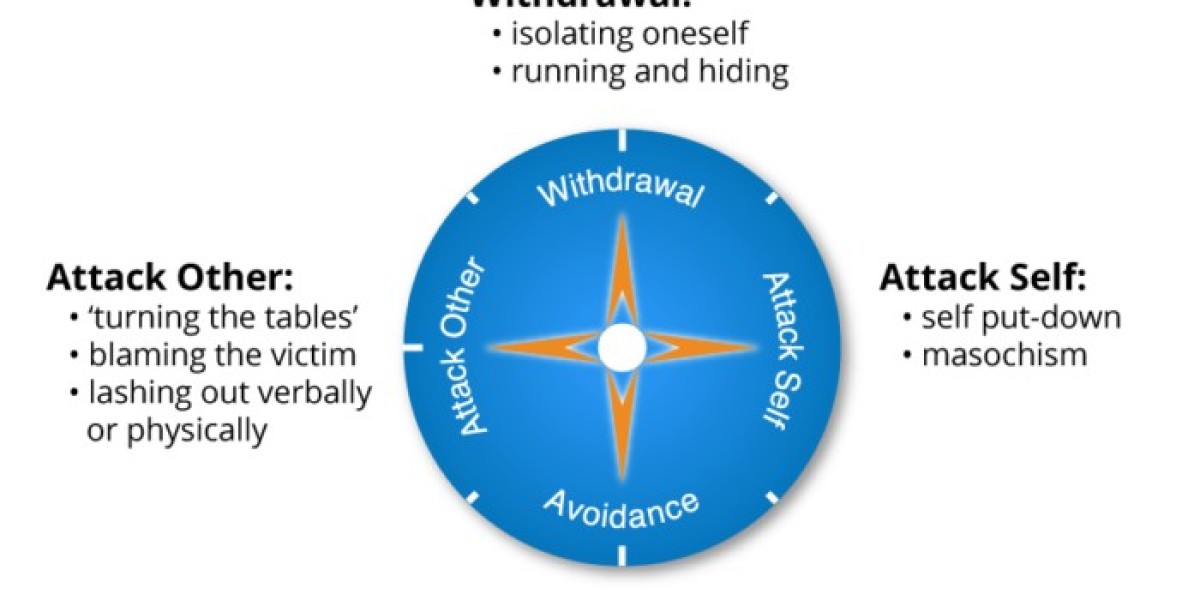
The compass of shame is a powerful framework used to understand how individuals respond to feelings of shame and accountability within relationships and institutions. When individuals experience shame, they typically react in predictable patterns such as attacking others, attacking themselves, avoiding responsibility, or withdrawing completely. Recognizing these patterns allows leaders and educators to respond in ways that promote healing and accountability rather than defensiveness.
Through training and consulting programs, Akoben LLC helps organizations apply the compass of shame to real-world leadership and equity challenges. By identifying emotional responses that often emerge in difficult conversations—especially around race, leadership, and accountability—leaders gain the awareness needed to guide constructive dialogue. This deeper understanding strengthens organizational culture while empowering individuals to grow through reflection and responsibility.
Nguzo Saba Values and Culturally Responsible Leadership
Leadership rooted in cultural understanding creates stronger and more inclusive communities. One important framework that supports this approach is nguzo saba, the seven African-centered values that emphasize unity, self-determination, collective work, cooperative economics, purpose, creativity, and faith. These values provide a foundation for leadership that prioritizes community well-being and shared responsibility.
At Akoben LLC, the principles of nguzo saba are integrated into leadership training and organizational development strategies. By grounding leadership practices in these cultural values, organizations develop a stronger sense of purpose and collaboration. Leaders learn how to foster unity while encouraging accountability, creating environments where individuals feel respected, empowered, and connected to a collective mission.
Affective Statements and Restorative Communication
Effective communication is at the heart of restorative leadership. One of the most powerful tools used in restorative practices is affective statements, which allow individuals to express how actions or behaviors impact them emotionally. Instead of focusing on punishment or blame, affective statements create opportunities for honest communication, reflection, and understanding.
Organizations that implement affective statements often experience improved workplace relationships and stronger team cohesion. When individuals are encouraged to express emotions respectfully, conflicts can be addressed before they escalate. This communication approach also helps leaders model vulnerability and accountability, which strengthens trust within teams and communities.
Leadership Transformation Through Restorative Practices
At Akoben LLC, restorative leadership development is more than a concept—it is a practical approach to creating meaningful organizational change. Through workshops, training programs, and keynote presentations, Akoben LLC equips leaders with the skills needed to build stronger relationships, address systemic inequities, and foster cultures of accountability and empathy.
The integration of restorative frameworks, culturally responsive leadership, and emotional awareness enables organizations to move beyond reactive solutions. Instead, leaders learn proactive strategies that promote collaboration, trust, and long-term growth. These strategies are particularly valuable in educational institutions, nonprofits, and organizations committed to equity and community impact.
Building Stronger Organizations with Restorative Leadership
Organizations that prioritize restorative leadership often see improvements in communication, collaboration, and overall morale. Leaders trained by Akoben LLC learn to navigate complex conversations with confidence while maintaining a focus on relationship building and collective progress.
The use of frameworks such as the compass of shame, culturally grounded leadership principles, and restorative communication tools empowers leaders to address conflict in ways that strengthen rather than divide communities. By focusing on understanding, accountability, and growth, organizations create environments where individuals can thrive both personally and professionally.
Creating a Future Centered on Equity and Accountability
The work of Akoben LLC centers on helping organizations move toward a future defined by equity, empathy, and responsible leadership. Through innovative training and consulting services, leaders gain the tools needed to build inclusive cultures where individuals feel valued and heard.
When frameworks like the compass of shame are combined with restorative strategies such as affective statements, organizations gain practical methods for addressing harm and rebuilding trust. These approaches encourage individuals to reflect on their actions, repair relationships, and grow through accountability.