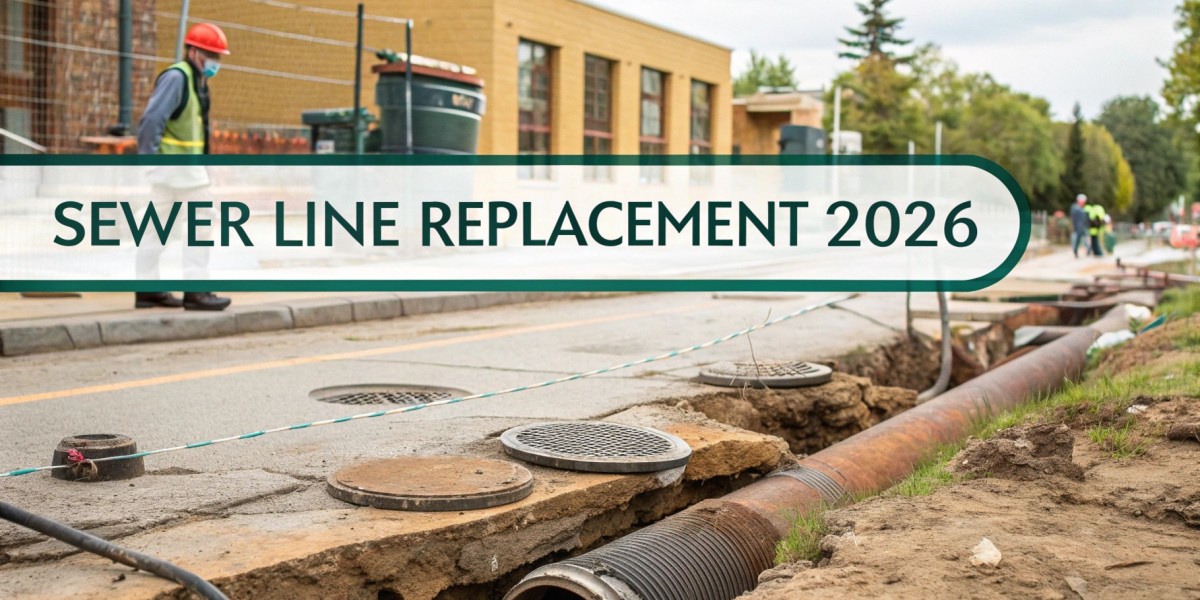

Most homeowners don't think about their sewer system until something goes wrong. And when it does go wrong, it rarely happens at a convenient time. A gurgling toilet, a slow-draining sink, or a mysterious wet patch in the backyard are all signs that your sewer line may be struggling — and that sewer line replacement could be on the horizon.
Understanding what sewer line replacement involves, when it becomes necessary, and what your options are can help you make informed decisions before a minor issue turns into a full-blown plumbing crisis.
What Is a Sewer Line and Why Does It Matter?
Your sewer line is the underground pipe that connects your home to the municipal sewer system. Every time you flush a toilet, run the dishwasher, or drain a sink, that wastewater travels through your main drain and into the sewer line. It works silently in the background — until it doesn't.
Because this pipe is underground and out of sight, problems can develop slowly over months or even years without homeowners realizing anything is wrong. By the time visible symptoms appear, the damage may already be significant. That's why knowing the warning signs of a failing sewer line is so important.
Signs That Sewer Line Replacement May Be Needed
Not every sewer problem requires full replacement. Some issues can be resolved with targeted repairs. But there are certain situations where replacement is the more practical and cost-effective solution.
Frequent backups across multiple drains are one of the clearest signs. When just one drain is slow, the problem is likely localized. But when sinks, toilets, and showers are all draining poorly at the same time, the issue usually originates in the main sewer line itself.
Persistent sewage odors — either indoors or in your yard — are another red flag. These smells indicate that wastewater is escaping from cracks or separations in the pipe and seeping into the surrounding soil. This isn't just unpleasant; it's a health concern that needs to be addressed promptly.
Sunken or unusually wet areas in the yard, especially along the path of your sewer line, can point to a leak or pipe collapse underground. When the pipe fails, it saturates the soil above it, causing the ground to soften and sink.
Recurring clogs that keep returning even after professional cleaning suggest that the pipe structure itself is compromised. If snaking the drain only provides temporary relief, the pipe may be cracked, misaligned, or collapsing in sections. At that point, sewer line replacement becomes the more reliable long-term fix.
Old pipes made of clay, cast iron, or Orangeburg material are also at higher risk of failure. These materials degrade over decades and are not designed to last forever. Once a pipe made of these older materials begins to fail in one spot, other sections are likely to follow.
Repair vs. Replacement: How to Decide
The decision between repairing and replacing a sewer line depends on the extent and location of the damage, as well as the overall condition and age of the pipe.
If the damage is isolated — a single crack, a localized root intrusion, or one section of pipe — repair is often the right choice. Targeted repairs can restore proper function without the cost or disruption of a full replacement.
However, if the pipe is aging and has experienced repeated failures, if multiple sections are damaged, or if a camera inspection reveals widespread deterioration, replacement is usually the smarter investment. Continuing to patch an old, failing pipe costs more over time and delivers less reliable results than starting fresh with a properly installed replacement.
A professional sewer camera inspection removes the guesswork entirely. By sending a camera through the pipe, plumbers can see exactly what condition the sewer line is in and recommend the most appropriate course of action.
Modern Sewer Line Replacement Methods
One of the biggest concerns homeowners have about sewer line replacement is the disruption it causes. The traditional image of a crew digging up an entire yard to access a buried pipe is understandably intimidating. But modern plumbing technology has changed what replacement looks like in many situations.
Trenchless sewer line replacement allows plumbers to replace a damaged pipe using minimal access points — often just one or two small entry holes rather than a full excavation trench. Methods like pipe bursting break apart the old pipe while simultaneously pulling a new one into place. This approach protects landscaping, driveways, and other structures on your property and significantly reduces the time needed to complete the job.
That said, trenchless methods aren't suitable for every situation. When pipes have completely collapsed, shifted significantly, or are in particularly difficult terrain, traditional excavation may be the only way to access and properly replace the damaged section. An experienced plumber will assess the specific conditions and recommend the method that makes the most sense for your property.
The Importance of Acting Early
Sewer problems have a way of escalating. A small crack becomes a larger break. A partial blockage becomes a full backup. What starts as a manageable repair turns into a more complex and expensive replacement if left too long.
Addressing sewer line issues early, when the damage is still limited, gives you more options and keeps costs lower. It also protects your home from the secondary damage that sewer failures cause — water damage, foundation issues, and contamination from sewage backup.
If you've noticed any of the warning signs described above, or if your home has older pipes that haven't been inspected recently, having a professional assessment done is a worthwhile step. A camera inspection can give you a clear picture of your sewer line's current condition and help you plan — rather than react in an emergency.
Trusting the Right Professionals
Sewer line replacement is not a DIY project. It involves working with underground infrastructure, navigating local permitting requirements, and ensuring that work is done to code. Choosing a licensed and experienced plumber ensures that the job is completed correctly, that necessary permits are obtained, and that the replacement materials used will last.
At sewer line replacement and main drain repair are handled with the right equipment, proper diagnosis, and a clear explanation of your options before any work begins. Whether the solution is a targeted repair or a full sewer line replacement, the goal is always to restore reliable drainage with as little disruption to your home as possible.
If your drains are giving you trouble or you suspect a sewer issue, don't wait for it to get worse. The sooner the problem is identified, the more straightforward the solution is likely to be.
About Us:
Bos Plumbing and Drains is a reliable and experienced plumbing company servicing Mississauga and surrounding areas. We have provided fast, top-notch service for 20+ years, so you can be sure we know what we are doing! We strive to be the best in the industry by using advanced technology, high-quality materials, and committing to doing the job right the first time.
Contact Us:
Bos Plumbing & Drain Service
Tel: (905) 247 5747
Email: info@bosplumbing.ca