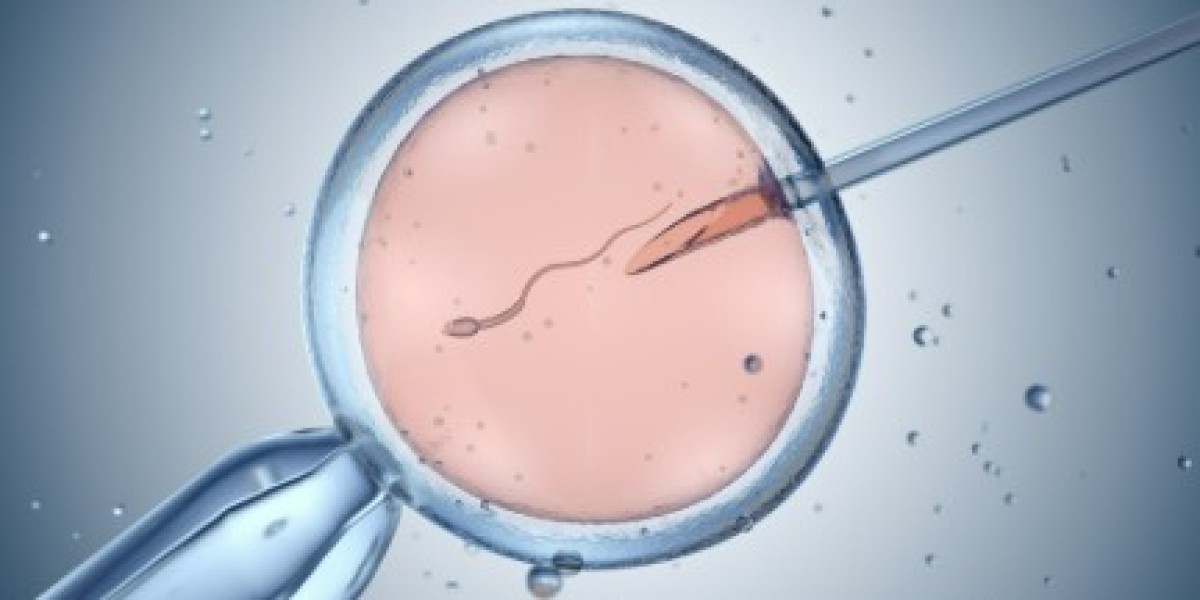

In Vitro Fertilization (IVF) has transformed the landscape of fertility treatment, offering hope to millions of couples facing infertility. Over the years, IVF has evolved from a basic laboratory procedure into a highly sophisticated treatment supported by advanced technology. These innovations have significantly improved success rates, reduced risks, and made treatment more personalized than ever before.
Today, modern IVF techniques focus not only on achieving pregnancy but also on improving embryo quality, enhancing implantation, and ensuring healthier outcomes for both mother and baby.
Precision Diagnostics: The Foundation of Successful IVF
One of the most important advancements in IVF is the improvement in diagnostic testing. Hormonal evaluations, advanced ultrasound imaging, and genetic screening now allow fertility specialists to identify underlying causes of infertility with greater accuracy. This helps in tailoring treatment plans according to individual needs rather than following a one-size-fits-all approach.
Accurate diagnosis ensures optimal ovarian stimulation, better egg retrieval timing, and improved embryo selection, all of which directly impact IVF success rates.
Improved Ovarian Stimulation Protocols
Earlier IVF protocols often used uniform medication doses, which sometimes led to poor response or ovarian hyperstimulation. Modern IVF uses personalized stimulation protocols based on age, ovarian reserve, hormone levels, and medical history.
These refined protocols help produce high-quality eggs while minimizing side effects. Better egg quality increases the chances of forming healthy embryos, which is a key factor in successful implantation.
Advanced Embryology Labs and Culture Systems
Laboratory technology has seen remarkable progress in recent years. Modern IVF labs maintain highly controlled environments that closely mimic natural conditions within the uterus. Advanced incubators regulate temperature, oxygen levels, and humidity, allowing embryos to develop more naturally.
Time-lapse embryo monitoring systems now enable embryologists to observe embryo development continuously without disturbing them. This technology helps identify embryos with the highest potential for implantation, improving pregnancy outcomes.
Blastocyst Culture: Enhancing Implantation Success
One major breakthrough in IVF is the use of blastocyst culture. Instead of transferring embryos at an early stage, embryos are allowed to grow for five to six days until they reach the blastocyst stage. At this point, embryos are more developed and have a higher chance of successful implantation.
Blastocyst transfer also allows specialists to transfer fewer embryos while maintaining high success rates, reducing the risk of multiple pregnancies.
Preimplantation Genetic Testing (PGT)
Preimplantation Genetic Testing has revolutionized IVF outcomes, especially for couples with recurrent pregnancy loss, genetic disorders, or advanced maternal age. PGT allows embryos to be screened for chromosomal abnormalities before transfer.
By selecting genetically healthy embryos, the chances of implantation increase while the risk of miscarriage decreases. This technology has made IVF safer and more reliable for many couples.
Frozen Embryo Transfer and Improved Cryopreservation
Modern cryopreservation techniques, particularly vitrification, have significantly improved embryo survival rates after freezing and thawing. Frozen Embryo Transfer (FET) is now as successful, and sometimes more successful, than fresh transfers.
Freezing embryos allows the uterus to be prepared in a more natural hormonal environment, improving implantation rates. It also provides flexibility for couples who wish to delay pregnancy or preserve fertility.
Artificial Intelligence in Embryo Selection
Artificial intelligence (AI) is emerging as a powerful tool in IVF. AI-based software analyzes embryo development patterns and predicts implantation potential with high accuracy. This assists embryologists in selecting the best embryo for transfer, reducing human bias and improving consistency.
Although still evolving, AI-driven embryo assessment is expected to further improve IVF success rates in the coming years.
Minimally Invasive Techniques and Patient Comfort
Technological improvements have also enhanced patient experience. Ultrasound-guided procedures, refined catheters, and minimally invasive egg retrieval techniques have reduced discomfort and recovery time. Better monitoring tools allow clinics to track treatment progress closely, ensuring safety throughout the IVF cycle.
Conclusion
Advances in IVF treatment in india have dramatically improved success rates while making treatment safer and more patient-centered. From precision diagnostics and genetic testing to AI-driven embryo selection and improved cryopreservation, modern IVF offers higher chances of pregnancy with better outcomes. These innovations provide renewed hope to couples on their fertility journey, proving that science and compassion together can make parenthood possible.