
Rat removal Houston homeowners call about usually starts with a noise they can’t quite name. A scratch, a flutter, a faint squeak around dusk. Half the time the caller is sure it’s rats. Then I get up there and it’s bats. Or the other way around. I had a guy in Humble last month who spent two weeks setting snap traps for a “rat” that turned out to be forty bats roosting above his garage. Wrong animal, wrong plan, wasted money. So let’s talk about telling them apart and what actually fixes each one.
Why Houston Attics Get So Crowded
Warm almost all year. Fruit trees dropping stuff nobody picks up, vines on every fence, old roofs with gaps nobody’s looked at since the Obama years. This city is an open invitation. Roof rats climb power lines and tree limbs like it’s a sidewalk, and they squeeze through a hole about the size of a quarter. rat removal even less. A gap around half an inch, roughly the width of your thumb, and they’re in.
Your attic is dry, dark, and quiet, and nobody goes up there for months. Perfect for both. rat removal Houston nest in the insulation and run the beams along the edges. Bats hang up near the peak or behind loose fascia and form colonies that grow every year. Same house, completely different tenants.
Sound, Droppings, and Other Clues

Timing helps. Rats work the night shift, so scratching, squeaking, and little running sounds after dark point their way. Bats are quieter, mostly faint chirping or squeaking right around sunset and sunrise, sometimes a soft rustle inside the wall. If you stand outside at dusk and watch the roofline for twenty minutes, bats will show themselves. Easiest confirmation you’ll ever get.
Droppings tell the story too. Rat droppings are small, dark, pointed on the ends, and show up in clusters along with greasy rub marks on beams and pipes. Bat guano looks like crumbly pellets that turn to powder when you press them, and it piles up below the roost. Don’t press them, by the way. Just look. Dark staining around a tiny gap outside is another bat sign, from their bodies rubbing the same spot night after night.
What Rats Do to Your House
It’s not just noise. Rat urine and droppings soak into the insulation and the smell works its way into your ducts. They can carry salmonella, leptospirosis, even hantavirus, and fleas ride along too. Their teeth never stop growing, so they chew constantly. Wires, pipes, wood. A chewed wire in dry insulation is a real fire risk, and I’m not saying that to scare you.
And if one dies inside a wall, you’ll know within a couple of days. That smell doesn’t leave politely. Rats also breed stupidly fast. Two in spring can be dozens by fall, which is why waiting around hoping they leave is the worst plan there is.
Why Poison and Snap Traps Fall Short
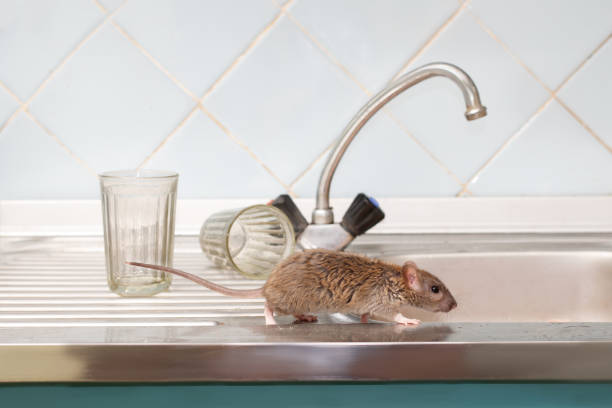
I get it. Hardware store, quick fix, ten bucks. Sometimes you catch a couple and feel pretty good. But you haven’t fixed anything. Poison is the worst, because the rat eats it, crawls into a wall, and dies where you can’t reach. Now you’ve got a stink and a risk to pets or birds that eat the carcass.
Real rat removal in Houston starts with finding every opening, since they keep coming as long as there’s a way in. Then you trap what’s inside, and you seal every gap with steel mesh and metal flashing. Canned foam is a snack to them, I’ve watched it vanish overnight. Skip the sealing and you bought a short break, that’s all.
Bats Are a Completely Different Rulebook
Here’s where people get in trouble. Many bat species are protected, and in Texas there are rules about when and how they can be excluded. Mothers raise pups in summer, and those babies can’t fly yet. Seal the entrance during that window and the pups die inside your wall. Then you’ve got a horrible smell and a mother bat trying to chew her way back in.
Proper bat removal uses one-way exclusion devices. Bats can leave but they can’t get back. You install it, wait several nights, and only after they’ve cleared out do you seal everything for good. Timing matters as much as technique. No poison, no sealing them in, no smoke. If a company offers any of that, hang up and call somebody else. Ask about the seasonal rules, and if they don’t know them, keep looking.
Cleanup Is the Part Nobody Plans For
Once the animals are out, the insulation is usually finished. Rat urine, droppings, shredded nests, bat guano, all of it soaks in and holds odor like a sponge. Guano can also carry a fungus that causes a respiratory illness called histoplasmosis. Most people never get sick, but it’s not worth gambling with, especially around kids or anyone with a weak immune system.
Don’t blow fresh insulation over the old mess because it’s cheaper. The smell comes back around month three and you pay twice. And skip the dust mask and shop vac plan. Dried droppings throw particles into the air, so real cleanup means a respirator, gloves, a suit, bagging everything, and disposing of it properly. If you’re replacing insulation anyway, dense stuff like closed cell spray foam or mineral wool is harder for rodents to nest in, though nothing is truly chew proof.
Keeping Everything Out Long Term
Boring advice, but it works. Trim branches so they sit a few feet off the roof. Keep trash lids tight, bring pet food inside at night, and pick up fruit rotting under the trees. Firewood piles and clutter along the house are basically rat apartments, so move them if you can. Cap the chimney and cover vents with heavy steel mesh.
Walk your roofline every few months and after big storms. Houston heat, humidity, and wind loosen flashing and warp wood faster than you’d guess, so a hairline crack in April can be a real hole by September. Grab a flashlight and peek in the attic once in a while. Droppings, stains, chewed wires, musty smell. If you’ve had bats before, watch the same spot every summer, because they love going home.
Conclusion

Rats at 2 a.m. or bats at dusk, the plan starts the same way. Figure out who’s up there, get them out humanely and legally, clean up the damage, and seal every opening. The details change, the order doesn’t. Waiting only makes the bill bigger. If you’d rather not crawl around a hot attic guessing which animal you’ve got, Elite Wildlife Services handles inspection, humane removal, cleanup, sealing, and prevention, start to finish. Call them before a few strange noises turn into a major repair bill.
FAQs
How much does rat removal in Houston cost?
It depends on how many entry points there are, how bad the infestation is, and how much cleanup is needed. An inspection gets you a real number instead of a guess.
How can I tell rats from bats?
Rats scratch and run at night and leave greasy rub marks. Bats are quieter, chirp around dusk and dawn, and leave guano piles below the roost.
Can I seal bats out myself?
Not safely. Many bats are protected, and sealing during pup season traps babies inside. Bat removal needs one-way exclusion devices and good timing.
Is rat poison a good idea?
Not really. Rats often die inside walls, causing odor problems, and the poison can hurt pets and wildlife.
Is bat guano dangerous?
It can be. It may carry a fungus that causes respiratory illness, so cleanup needs proper protection.
How long does removal take?
Rats usually take a few days to a couple of weeks. Bat exclusion can take a similar stretch since the colony needs time to leave on its own.