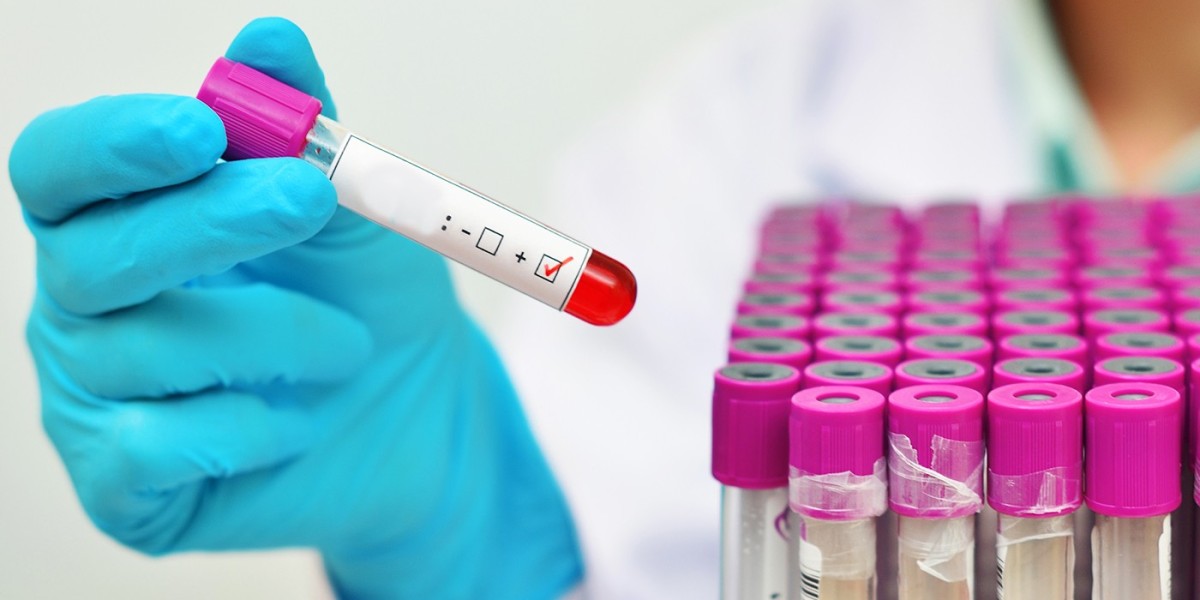

An HIV test can provide valuable information about a person's health status, but the timing of the test matters. If testing is performed shortly after a possible exposure, the infection may not yet be detectable by the particular test being used. In these situations, a healthcare professional may recommend repeating the test after an appropriate interval.
People considering an HIV Test in Dubai may wonder why another test could be necessary after receiving a negative result. The main reason is the window period, which is the time between infection and when a test can reliably detect the relevant markers. A negative result obtained too early may not completely rule out a recent infection.
Repeat testing is therefore not necessarily an indication that the first test was inaccurate. Instead, it can be part of a planned testing process designed to account for the timing of possible exposure.
Understanding the HIV Window Period
The HIV window period varies according to the type of test being used. Some tests detect antibodies, while others detect HIV antigens and antibodies together or look for viral genetic material.
During the early stage following infection, these markers may not yet be present at detectable levels. As time passes, they become easier for the appropriate test to identify.
This means that the same person could receive different results depending on when testing takes place. A test taken very soon after exposure may be negative, while a later test may detect an infection.
Because different tests have different detection windows, it is better to ask a healthcare professional about the specific test being used rather than relying on a general testing timeline.
Enfiled STD Clinic for Follow-Up Testing
At Enfiled STD Clinic, people seeking an HIV Test in Dubai can discuss their testing concerns and receive professional guidance about follow-up testing. This can be particularly useful when someone is unsure how much time has passed since a possible exposure or has already received an early negative result.
A healthcare professional can consider the timing of the exposure, the type of test performed, and other relevant circumstances when explaining whether another test may be appropriate.
Professional guidance can also help prevent unnecessary confusion. Instead of repeatedly testing without understanding the results, individuals can follow a testing plan based on the characteristics of the test and their personal circumstances.
When a Repeat Test May Be Recommended
A repeat HIV test may be considered when the initial test was performed during a period when infection could still be difficult to detect. If exposure occurred recently, a healthcare professional may recommend testing again after enough time has passed for the selected test to become more informative.
Repeat testing may also be relevant when the first test was not performed using the type of test most appropriate for the circumstances. The provider can determine whether another testing method or additional laboratory evaluation is needed.
It is important to follow the testing guidance provided by a qualified healthcare professional rather than assuming that one fixed schedule applies to everyone.
A Negative Result Does Not Always End the Testing Process
A negative HIV result is reassuring when the test has been performed at an appropriate time and according to recommended procedures. However, if testing took place very soon after possible exposure, the result may need to be interpreted differently.
For example, someone may test negative shortly after an exposure because the infection has not yet reached a detectable level. If the person has no further exposure and follows the recommended follow-up testing schedule, a later negative result can provide stronger evidence about their HIV status.
This is why telling the healthcare provider approximately when the possible exposure occurred is important. Without that information, it can be difficult to determine whether a negative result should be considered conclusive.
What If You Have Another Possible Exposure?
A new exposure can change the testing situation. If someone has another potential exposure after an earlier HIV test, the relevant testing timeline may need to be reconsidered.
The healthcare provider may ask about the dates of the different exposures and determine whether additional testing is appropriate. It is important not to assume that an earlier negative result automatically covers a later exposure.
People who believe they may have been exposed to HIV very recently should seek medical advice promptly, particularly because certain post-exposure interventions are time-sensitive.
Should You Repeat a Test If You Have Symptoms?
Symptoms alone do not determine whether an HIV test should be repeated. Early HIV infection can sometimes cause flu-like symptoms, but similar symptoms can result from many other illnesses. Some people with HIV may also have no noticeable symptoms.
If symptoms develop after a potential exposure, discussing them with a healthcare professional can help determine what testing is appropriate. The provider may recommend HIV testing along with screening for other possible infections depending on the circumstances.
A repeat HIV test may be useful when the original test was performed too early, but the decision should be based on the test type and timing rather than symptoms alone.
What Happens After a Reactive HIV Test?
Repeat testing has a different purpose when an initial test is reactive. A reactive screening result does not automatically establish an HIV diagnosis. Additional testing is generally required to confirm the result.
Healthcare professionals use confirmatory testing procedures to determine whether the initial reactive result represents an actual HIV infection. This is an important part of accurate diagnosis.
Therefore, if someone receives a reactive result, they should not assume that the screening result alone provides a final diagnosis. They should follow the healthcare provider's instructions for additional testing and evaluation.
How the Type of Test Affects Follow-Up
Not every HIV test works in exactly the same way. Antibody tests detect antibodies produced by the immune system, while combination tests can detect both antibodies and an HIV antigen. Nucleic acid tests look for HIV genetic material.
Because these tests detect different markers, their detection windows are not identical. A healthcare professional can explain the characteristics of the test that was performed and whether additional testing is recommended.
This is especially important when someone has tested shortly after a possible exposure. Knowing the exact type of test can make the follow-up plan much clearer.
Why Professional Guidance Matters
Searching online can provide general information about HIV testing, but individual circumstances can vary considerably. The date of exposure, test type, sample type, medical history, and other factors can affect how a result should be understood.
Professional testing provides an opportunity to discuss these factors directly. It also allows a healthcare provider to explain whether another test is necessary and what other sexual health screening may be appropriate.
For anyone arranging an HIV Test in Dubai, professional guidance can make the process more straightforward and reduce the risk of misunderstanding an early result.
Preparing for a Follow-Up HIV Test
Preparation for an HIV test depends on the testing method and healthcare provider's instructions. Before returning for follow-up testing, it can be useful to know the date of the possible exposure and the date and type of any previous HIV test.
Providing accurate information helps the healthcare professional understand the testing timeline. If you have received previous results, sharing those details can also help the provider determine what additional testing may be appropriate.
It is also important to avoid interpreting a result without considering when the test was performed. The timing of the test is an essential part of understanding its significance.
Why Following the Recommended Schedule Matters
Repeating an HIV test at the recommended time can provide more meaningful information than testing randomly. If a test was taken too early, waiting until the appropriate period has passed allows the selected testing method a better opportunity to detect infection.
Following professional advice also helps avoid unnecessary anxiety. Instead of wondering whether a negative result was too early, a person can have a clearer understanding of when follow-up testing should occur.
Anyone with continuing concerns should speak with a qualified healthcare professional and follow the testing recommendations provided for their particular circumstances.
Final Thoughts
Repeating an HIV test can be important when the first test was performed before the infection could reliably be detected. The need for follow-up depends on factors such as the type of HIV test, timing of possible exposure, and the circumstances surrounding the original test.
If you are considering an HIV Test in Dubai, professional guidance can help you understand whether a repeat test may be appropriate and how to interpret your results. A negative result obtained at the correct time can provide much more meaningful information than an early test performed during the window period.