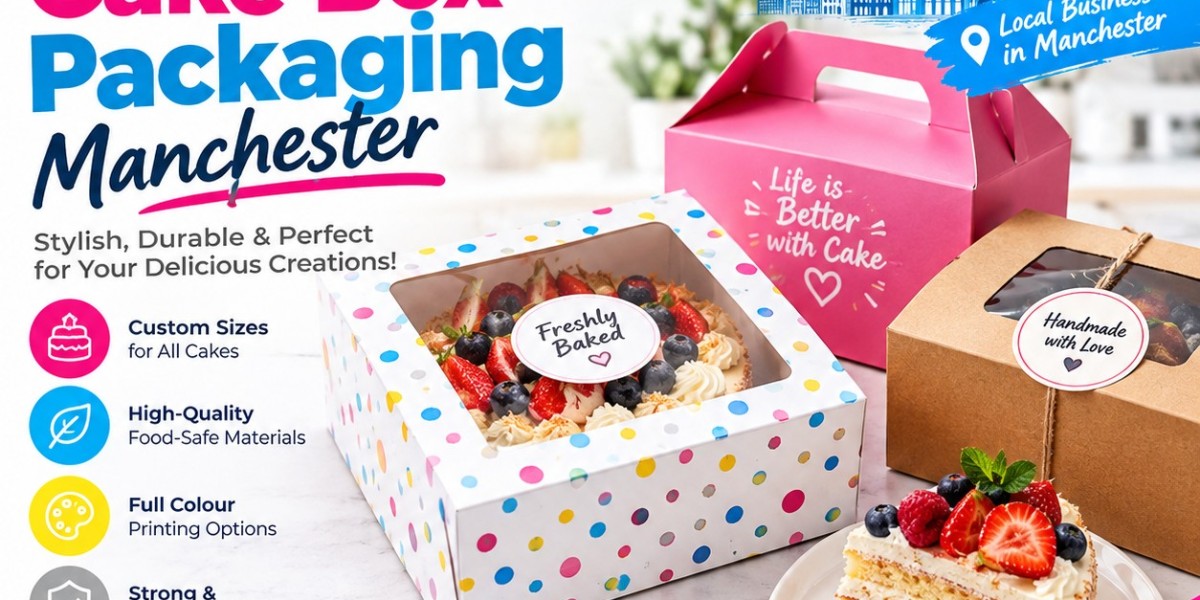

A cake can be carefully baked, decorated, and finished, yet the customer’s first experience often begins with the packaging. Whether it is a single cupcake from a local bakery, a celebration cake collected from a specialist shop, or a box of baked goods delivered through an online order, packaging has an important role in protecting the product and presenting it professionally.
As the UK bakery, hospitality, and e-commerce sectors continue to evolve, businesses are paying closer attention to packaging design, material selection, sustainability, and practical functionality. Good cake packaging is no longer simply a container. It needs to balance protection, presentation, convenience, storage, transport, and environmental considerations.

Choosing the Right Packaging for Different Baked Products
Not every bakery product requires the same type of box. A lightweight cupcake has very different packaging requirements from a multi-layer celebration cake. Understanding the product before selecting packaging can reduce damage and improve the customer experience.
For individual cupcakes, cup cake box packaging can provide a secure space that helps prevent movement during handling. Inserts, dividers, and appropriately sized compartments can be particularly useful when several cupcakes are transported together.
Larger cakes may require deeper boxes with stronger construction and enough internal clearance to protect icing and decorations. Meanwhile, biscuits, slices, brownies, and smaller confectionery products may benefit from compact cartons designed around their dimensions.
Common considerations include:
- Product size and weight
- Height of decoration or icing
- Number of products per box
- Expected transport conditions
- Moisture and grease resistance
- Ease of opening and closing
- Storage requirements
- Branding and printed information
- Material recyclability

Selecting packaging based on these factors helps businesses avoid a common problem: using attractive packaging that does not provide enough practical protection.
Cake Packaging Trends in the UK
The UK packaging market is increasingly influenced by sustainability, convenience, and consumer expectations. Bakery businesses are looking for packaging that performs well while also supporting more responsible material choices.
Paperboard and cardboard remain widely used for bakery packaging because they can offer a useful combination of strength, printability, and relatively efficient storage. Depending on the application, packaging can also incorporate windows, inserts, folding structures, or specialist coatings.
Sustainability is another important consideration. Customers are increasingly interested in what happens to packaging after use, while businesses are reviewing material choices as part of wider environmental strategies. This has encouraged greater interest in recyclable paper-based solutions, responsible sourcing, reduced material usage, and packaging designs that avoid unnecessary components.
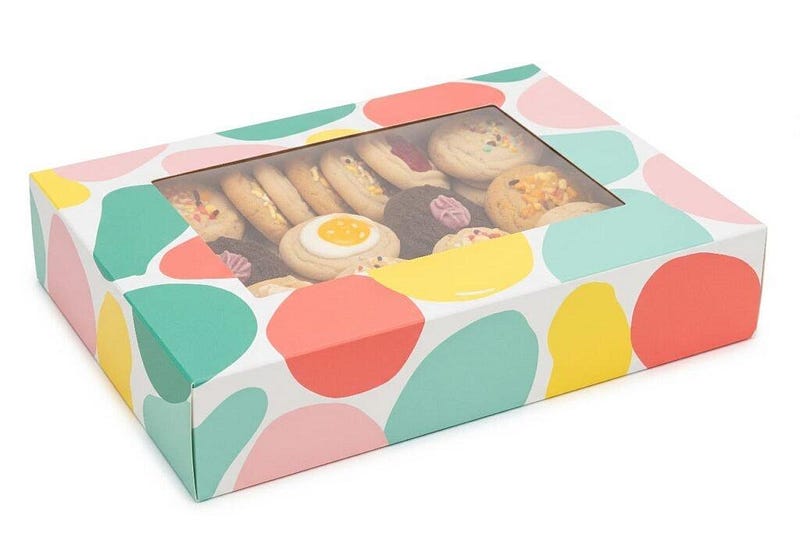
However, sustainability should not be considered separately from performance. A package that fails to protect a cake and results in product damage can create unnecessary waste. The more effective approach is to consider the complete packaging lifecycle, including material sourcing, manufacturing, transportation, use, and disposal.
For businesses searching for cake packaging UK solutions, the goal should therefore be to find an appropriate balance between protection, presentation, cost, and environmental considerations.
Why Design and Structure Matter
Packaging design involves much more than selecting colours and adding a logo. Structural design determines how well a product fits inside the package and how effectively it remains protected.
A box that is too large may allow the cake to move during transportation. A box that is too small can damage icing, decorations, or toppings. Poorly positioned windows may also reduce visibility or weaken the structure.

For online bakery businesses, these considerations become even more important. Products can pass through several stages of handling before reaching the customer. Packaging therefore needs to account for movement, stacking, loading, unloading, and potential impacts.
For example, an effective cake packaging box may use a combination of:
- A suitably rigid board structure.
- Internal clearance around delicate decorations.
- Inserts or supports where required.
- Secure closing mechanisms.
- Appropriate dimensions to minimise product movement.
- Printed handling or product information where useful.
The objective is not necessarily to make packaging heavier or more complicated. Instead, good design uses the minimum practical structure needed to perform the job reliably.
Local and Online Bakery Packaging Applications
Packaging requirements can vary depending on how products reach customers. A bakery serving customers directly from a shop may prioritise attractive presentation and convenient carrying. An online bakery may place greater emphasis on durability and protection during delivery.

Businesses looking for cake box packaging Manchester or other regional solutions may also consider turnaround times, production quantities, storage capacity, and delivery logistics when selecting a packaging partner.
For smaller bakeries, flexible packaging quantities can be important because excessive stock can take up valuable storage space. Larger businesses may instead focus on consistent production, repeatability, and efficient packaging workflows.
E-commerce has also increased the importance of packaging communication. A box can carry product information, brand messaging, preparation instructions, allergen information, recycling guidance, or other relevant details.
This creates an opportunity to make packaging useful as well as visually appealing.
Working With Cake Packaging Suppliers
Choosing among cake packaging suppliers UK businesses often involves evaluating several practical factors rather than simply comparing packaging designs.
Businesses should consider whether a supplier can provide suitable materials, dimensions, printing options, structural formats, and production quantities. Consistency is also important because packaging that varies significantly between production batches can create operational problems.

Before committing to a packaging format, it can be useful to test samples under realistic conditions. A bakery could place an actual product inside the proposed box and evaluate how it performs during carrying, stacking, storage, and delivery.
Useful questions include:
- Does the cake remain stable inside the box?
- Is there enough clearance around decorations?
- Can staff assemble the packaging efficiently?
- Is the box easy for customers to open?
- Does the printed design remain clear and professional?
- Can the packaging be stored efficiently?
- Are material and recycling claims appropriate?
- Does the packaging withstand the expected delivery environment?
These practical tests can reveal problems that may not be obvious from a digital design or product specification alone.
Businesses researching cake packaging can also look at specialist packaging providers such as The Quantum Print as an example of a supplier offering printed packaging formats for bakery-related applications. The important consideration is matching the packaging format to the product and operational requirements rather than choosing a design based solely on appearance.
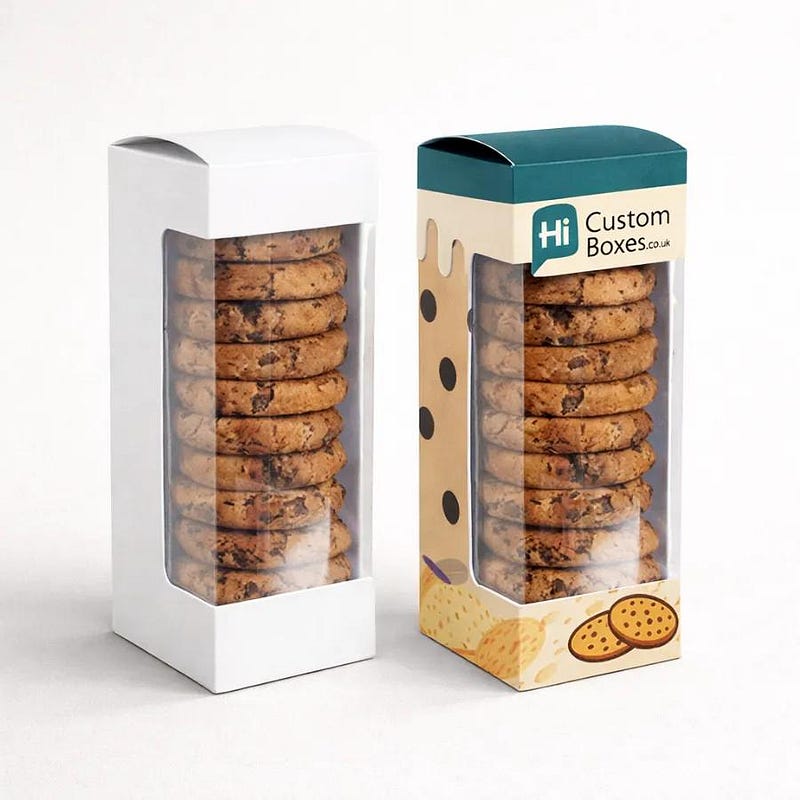
Creating Packaging That Supports the Customer Experience
Good packaging should make the customer’s interaction with the product straightforward. A box that is difficult to open, awkward to carry, or poorly sized can undermine an otherwise positive experience.
For retail bakeries, visual presentation matters because the packaging can reinforce the quality associated with the product. For online businesses, packaging can also contribute to the unboxing experience.
At the same time, businesses should avoid unnecessary complexity. Excessive layers, difficult-to-remove components, or oversized boxes can increase material usage and frustrate customers.
A balanced packaging strategy considers the complete journey:
Production → Packaging → Storage → Transportation → Delivery → Opening → Disposal

Each stage presents different requirements. Packaging that works well during production but performs poorly during delivery is not an effective solution.
Final Considerations for UK Bakery Businesses
The role of packaging in the bakery industry continues to expand as businesses respond to e-commerce, sustainability expectations, product protection requirements, and increasingly competitive retail environments.
Whether a business needs individual cupcake containers, celebration cake cartons, printed bakery boxes, or specialised formats for delivery, the fundamentals remain similar: choose appropriate materials, use accurate dimensions, protect the product, communicate useful information, and consider what happens to the packaging after use.
Well-designed cake box packaging can provide practical protection while also supporting product presentation and brand recognition. The strongest packaging decisions are based on real-world testing rather than appearance alone.
For UK bakeries and food businesses, thoughtful packaging can therefore be viewed as part of the complete product experience. By combining structural performance, responsible material choices, clear communication, and suitable printing, businesses can create packaging that works effectively from the bakery counter to the customer’s doorstep.
- Read More :
How to Choose Unique Cricket Bat Stickers for Your Bat
Top 10 Things to Consider When Choosing a Cricket Bat Sticker Maker
A Complete Guide to Personalized Cricket Bat Stickers in the UK
Is The Quantum Print a Reliable Printing Company? 7 Key Reasons
How to Create Packaging for a Product: 10 Expert Tips