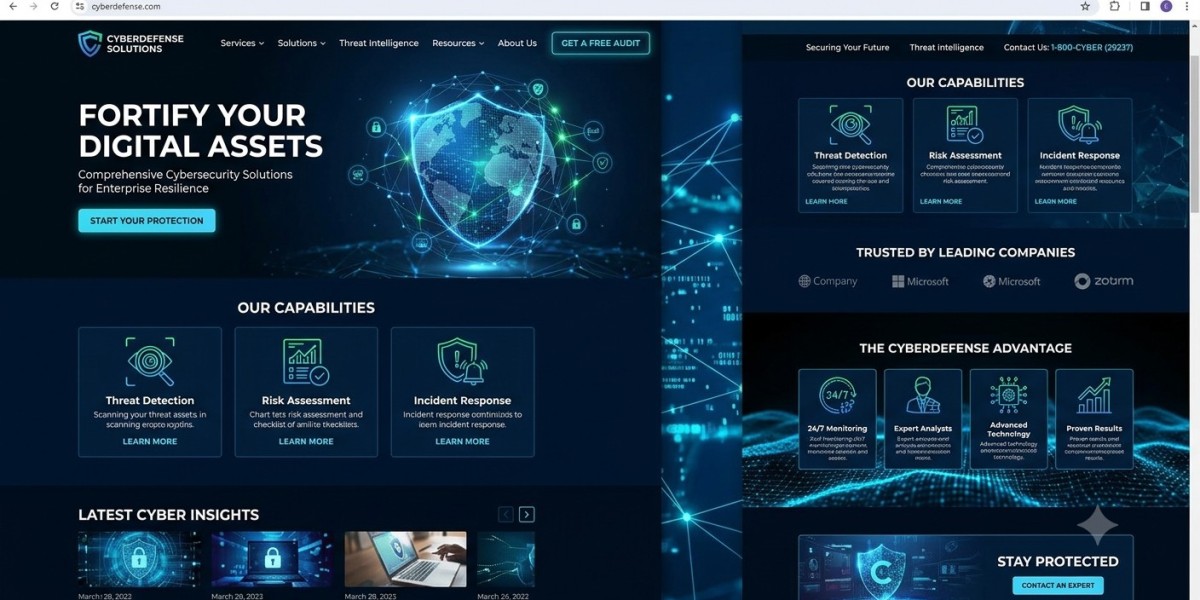

Most businesses that get hit with a security incident weren't targeted because of some sophisticated, unavoidable attack. More often than not, it's something ordinary: a reused password, an unpatched system, or an employee who clicked the wrong link. These are the same handful of mistakes showing up across countless small and mid-sized businesses, yet many cyber security websites skip right past them, jumping straight into selling advanced services without addressing the basic gaps that actually put most businesses at risk. A Cyber Security Website Template can help present practical information about common security mistakes, prevention steps, and simple improvements that businesses can take before larger problems occur.
Explaining these common mistakes directly on your website does more than educate, it builds the kind of practical trust that leads businesses to actually take security seriously and reach out for help.
Why Talking About Common Mistakes Builds Trust
Business owners are more likely to trust a security provider who explains real, relatable risks honestly than one who jumps straight into technical service pitches without context.
It Shows You Understand Their Actual Situation
Addressing genuine, common mistakes signals that you understand what typical businesses actually struggle with, rather than assuming every potential client already has advanced security awareness they clearly don't.
It Creates a Natural Bridge to Your Services
Once a business owner recognizes their own situation in a described mistake, the connection to a relevant service that addresses it becomes obvious and natural, rather than feeling like an unrelated sales pitch.
Common Password and Access Mistakes Worth Explaining
Password Reuse Across Multiple Accounts
Explaining why reusing passwords across different systems creates significant risk, since one compromised account can lead to broader access, helps business owners understand a mistake that feels harmless but genuinely isn't.
Lack of Multi-Factor Authentication
Content explaining what multi-factor authentication actually is, and why its absence leaves accounts significantly more vulnerable, addresses a commonly overlooked but relatively simple protective measure.
Shared Login Credentials Among Employees
Explaining the risks of shared accounts, difficulty tracking who accessed what, and increased exposure if one person's credentials are compromised helps businesses understand why individual accounts matter for security, not just convenience.
Common Software and System Mistakes
Delaying Software Updates and Patches
Explaining that many security incidents exploit known vulnerabilities that updates would have already fixed helps business owners understand why "I'll update it later" is a genuinely risky habit, not just a minor inconvenience.
Using Outdated or Unsupported Software
Content addressing the risks of continuing to use software that no longer receives security updates helps businesses recognize a common but often overlooked vulnerability in their systems.
Lack of Regular System Backups
Explaining how inadequate backups turn a manageable incident, like ransomware, into a potentially business-ending crisis helps business owners understand why this often-neglected practice matters enormously.
Common Human Error Mistakes
Falling for Phishing Attempts
Explaining common characteristics of phishing attempts, and why even careful employees can be fooled by increasingly sophisticated tactics, helps businesses understand this isn't purely a training failure but an ongoing, evolving risk.
Inadequate Employee Security Training
Content addressing the value of regular, updated security awareness training helps businesses understand that a single onboarding session isn't sufficient given how quickly threats evolve.
Lack of Clear Security Policies
Explaining how the absence of clear, documented security policies leaves employees uncertain about proper practices and creates inconsistency across an organization, addresses a foundational but often overlooked gap.
Read More: Best Cyber Security WordPress Themes for Modern Businesses
Common Network and Infrastructure Mistakes
Inadequate Network Segmentation
Explaining, in accessible terms, how a lack of network segmentation allows an incident in one area to spread more easily throughout an entire system helps business owners understand the value of this less obvious protective measure.
Weak or Default Router and Device Configurations
Content addressing the risks of leaving default settings unchanged on network devices helps businesses recognize an easily overlooked but genuinely significant vulnerability.
Unsecured Remote Access
Given the prevalence of remote work, explaining risks associated with poorly secured remote access methods addresses a mistake that's become increasingly common and increasingly costly.
Common Vendor and Third-Party Mistakes
Inadequate Vetting of Third-Party Vendors
Explaining how vulnerabilities in a business's vendors or partners can create risk even when the business's own systems are secure helps address a commonly overlooked, indirect exposure.
Overly Broad Third-Party Access Permissions
Content addressing the risks of granting excessive system access to vendors or contractors beyond what's genuinely necessary helps businesses understand a practical, addressable mistake.
Structuring Mistake-Focused Content Effectively
Organizing by Category for Easy Navigation
Grouping common mistakes into clear categories- passwords, software, human error, network- helps readers quickly find content relevant to areas they suspect might be weak points in their own business.
Using Real-World Framing Rather Than Abstract Warnings
Framing mistakes in relatable, practical terms, rather than abstract technical warnings, helps business owners genuinely recognize their own situation within the content.
Avoiding Fear-Based Language While Still Conveying Real Risk
Explaining genuine risk honestly, without resorting to exaggerated scare tactics, builds credibility and trust rather than feeling like manipulative marketing designed purely to provoke anxiety.
Connecting Mistakes to Practical Solutions
Briefly Noting How Each Mistake Can Be Addressed
Rather than just listing problems, briefly connecting each mistake to a general solution approach helps readers understand that these issues are genuinely fixable, not just a list of anxieties without resolution.
Linking Relevant Services to Specific Mistakes
Connecting specific mistakes directly to relevant services that address them creates a natural, helpful pathway from recognizing a problem to understanding how you can help solve it.
Visual Features That Support Mistake-Focused Content
Icons Representing Different Mistake Categories
Simple icons distinguishing between different types of common mistakes help readers quickly scan and identify categories most relevant to their own concerns.
Checklists for Self-Assessment
A simple, practical checklist allowing readers to self-assess which common mistakes might apply to their own business adds genuine, actionable value beyond just informational reading.
Building Credibility Through Honest, Balanced Content
Avoiding Overly Alarmist Framing
Presenting common mistakes honestly, without exaggerating every issue as catastrophic, maintains credibility and avoids the kind of fear-based marketing that sophisticated business owners tend to distrust.
Acknowledging That Perfect Security Isn't Realistic
Briefly noting that the goal is genuine risk reduction, not impossible perfection, helps set realistic, honest expectations rather than implying an unattainable standard.
Mobile Access to Mistake-Focused Content
Since many business owners research security concerns from their phones during limited available time, ensuring this content displays clearly and remains easy to navigate on mobile keeps it genuinely accessible and useful.
Conclusion
Explaining common business security mistakes honestly does more than fill content on your website, it helps potential clients recognize their own situation, understand genuine risk in relatable terms, and see a clear, natural path toward addressing it through your services. Through practical, honestly framed content organized around real, common vulnerabilities, a well-built cyber security website builds the kind of trust that comes from genuinely understanding a client's actual situation. This kind of relatable, educational approach is exactly what you'll find supported in premium WordPress Themes designed for cybersecurity professionals, helping potential clients recognize risk and take meaningful action before it becomes a genuine crisis.
Frequently Asked Questions
1. Why does addressing common, ordinary mistakes work better than only discussing advanced threats?
Because most businesses are actually vulnerable due to ordinary, common gaps rather than sophisticated, rare attacks, and addressing relatable mistakes helps potential clients recognize their own real situation.
2. Is it risky to use fear-based language when explaining security mistakes?
Yes, exaggerated fear tactics can damage credibility, while honest, balanced explanations of genuine risk tend to build more lasting trust with business owners evaluating your services.
3. Should mistake-focused content include how each issue can actually be fixed?
Yes, briefly connecting each mistake to a general solution approach helps readers understand these issues are addressable, rather than leaving them with unresolved anxiety.
4. How should common mistakes be organized for easiest reading?
Grouping mistakes into clear categories, like passwords, software, and human error, helps readers quickly navigate to concerns most relevant to their own suspected weak points.
5. Does explaining common mistakes actually help generate leads for cyber security services?
Yes, since readers who recognize their own situation within the content naturally see a clear connection to relevant services that address the specific issues they've just identified.