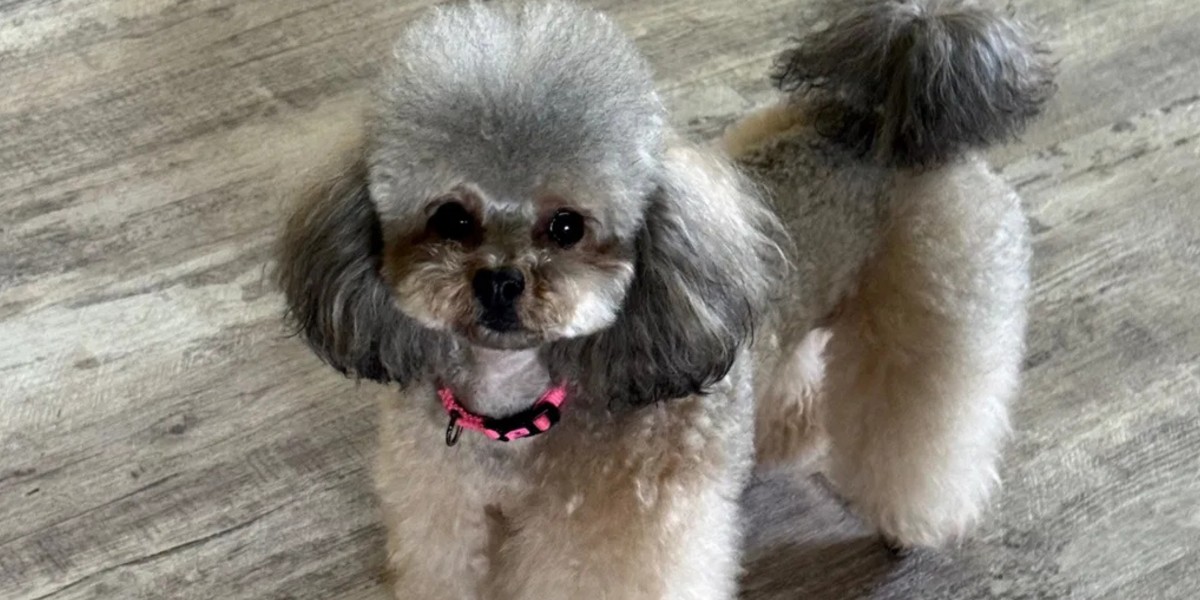

Puppies use their mouths to interact with the world, and chewing becomes especially common while they are teething. The right chew treat can provide an engaging activity while satisfying a puppy's natural urge to chew. However, not every chew is appropriate for young dogs. Texture, size, ingredients, digestibility, and supervision all matter when selecting a treat.
Best Chew Treats for Puppies: What Should You Look For?
When comparing the best chew treats for puppies, start with products designed for a puppy's age and chewing ability. Young dogs have developing teeth and jaws, so extremely hard chews may not be suitable. A good puppy chew should be appropriately sized, manageable to bite, and made from ingredients you are comfortable feeding.
Look for straightforward ingredient lists and avoid products with unnecessary additives when possible. The ideal option depends on your puppy's breed, size, age, chewing habits, and individual dietary needs.
Why Do Puppies Need Chew Treats?
Chewing is a normal puppy behavior. During teething, puppies may chew more frequently as their baby teeth are replaced by adult teeth. Providing an appropriate chew can give them a constructive outlet for this behavior.
Chewing can also provide mental stimulation. Instead of leaving a puppy to chew furniture, shoes, or other household objects, offering an approved chew gives them an activity that fits naturally into their daily routine.
Chews should not be viewed as a replacement for exercise, training, play, or interaction. They work best as one part of a puppy's overall enrichment routine.
Types of Chew Treats for Puppies
There are several categories of chews available for young dogs. Each has different characteristics.
Soft Puppy Chews
Soft chews can be suitable for puppies with developing teeth because they are generally easier to bite and break apart than extremely hard products. They can also work well for shorter chewing sessions.
However, softness does not automatically mean a product is safe. Puppies can sometimes tear off pieces quickly, so supervision remains important.
Single-Ingredient Animal-Based Chews
Single-ingredient treats can be appealing to owners who prefer simple formulations. Examples include certain meat-based or hide-based products prepared specifically for dogs.
Check the product's recommended age and size before offering one to a puppy. Some durable chews intended for adult dogs may be too tough or large for younger animals.
Edible Dental-Style Chews
Some dental chews are formulated to support oral hygiene while providing something enjoyable to chew. Their effectiveness varies according to the product and chewing behavior.
Dental treats should complement regular dental care rather than replace tooth brushing or veterinary dental recommendations.
How to Select the Right Chew Size
Size is one of the most important considerations. A chew that is too small may become a choking hazard, while an oversized product may be difficult for a puppy to handle.
Always check the manufacturer's weight and age recommendations. If your puppy is between sizes, consider the option that provides an appropriate margin of safety rather than giving a very small chew.
As the puppy grows, reassess the chew size. A product that was suitable several weeks ago may no longer be the right size for a rapidly growing dog.
Consider Your Puppy’s Chewing Style
Not every puppy chews at the same pace. Some gently nibble treats, while others immediately try to tear them apart.
Watch how your puppy handles a new chew. If they are breaking off large pieces, swallowing pieces without adequately chewing, or attempting to consume the product rapidly, remove it and consider a more appropriate option.
Very hard products can also pose a dental risk if they are unsuitable for a puppy's developing teeth. The goal is to provide an engaging chew without relying on excessive hardness.
Ingredients Matter
Ingredient quality is another important factor. Pet owners may prefer treats containing recognizable ingredients and minimal unnecessary additions.
If your puppy has food sensitivities or follows a specific diet, check the ingredient panel carefully. Introducing several new treats at once can make it difficult to determine which food caused a digestive reaction.
When introducing a new chew, offer a small amount initially and monitor your puppy for digestive changes.
Always Supervise Chewing
Even an appropriately sized chew can present risks. Puppies may break pieces from edible treats or attempt to swallow pieces that are too large.
Stay nearby while your puppy chews and inspect the treat periodically. Remove it when it becomes small enough to swallow whole or develops sharp, damaged, or potentially hazardous pieces.
Chewing should be an interactive and supervised activity rather than something a puppy is given and forgotten about.
How Often Should Puppies Get Chew Treats?
Chew treats should remain a limited part of the daily diet. Puppies need complete and balanced puppy food to support their growth, while treats should account for only a small portion of their overall intake.
Follow the feeding guidance provided with the product and consider your puppy's size and calorie requirements. If you are using treats during training, breaking suitable treats into smaller pieces can help control overall intake.
Your veterinarian can provide individualized advice if you are uncertain about suitable treats or feeding amounts.
Are Natural Chews Suitable for Puppies?
Natural does not automatically mean appropriate for every puppy. A natural chew can still be too hard, too large, difficult to digest, or unsuitable for a particular dog.
When considering a natural product, evaluate the entire chew rather than relying only on marketing terms. Check its ingredients, texture, size recommendations, preparation method, and intended age range.
Conclusion
Choosing the right chew involves more than picking the longest-lasting or hardest product. Consider your puppy's age, size, teeth, chewing style, ingredients, and the recommended use of the treat. Always supervise chewing and remove damaged or dangerously small pieces. With thoughtful selection, Ugly Chews can be considered alongside other puppy-appropriate options when the specific product fits your dog's needs.
Frequently Asked Questions
1. What are the best chew treats for puppies?
The best option depends on the puppy's age, size, chewing style, and dietary needs. Look for appropriately sized products with suitable textures and clear feeding guidance.
2. Can puppies have hard chew treats?
Some hard chews may be unsuitable for young puppies. Extremely hard products can potentially damage teeth, so select chews specifically intended for puppies and follow age recommendations.
3. How long should a puppy chew a treat?
There is no universal chewing time because products and puppies vary. Supervise each session and remove the chew when it becomes damaged or small enough to swallow.
4. Are natural chew treats safe for puppies?
Some natural chews can be appropriate, but "natural" alone does not guarantee suitability. Ugly Chews recommends considering the puppy's size and chewing behavior before selecting a product.
5. Can chew treats help puppies during teething?
Appropriately textured chews can provide an outlet for normal chewing behavior during teething. They should be comfortable to handle and suitable for the puppy's developing teeth.
6. Should puppies have chew treats every day?
Some puppies can have suitable chews regularly, provided portions remain appropriate and treats do not replace balanced puppy food. Follow product feeding guidance and monitor total treat intake.