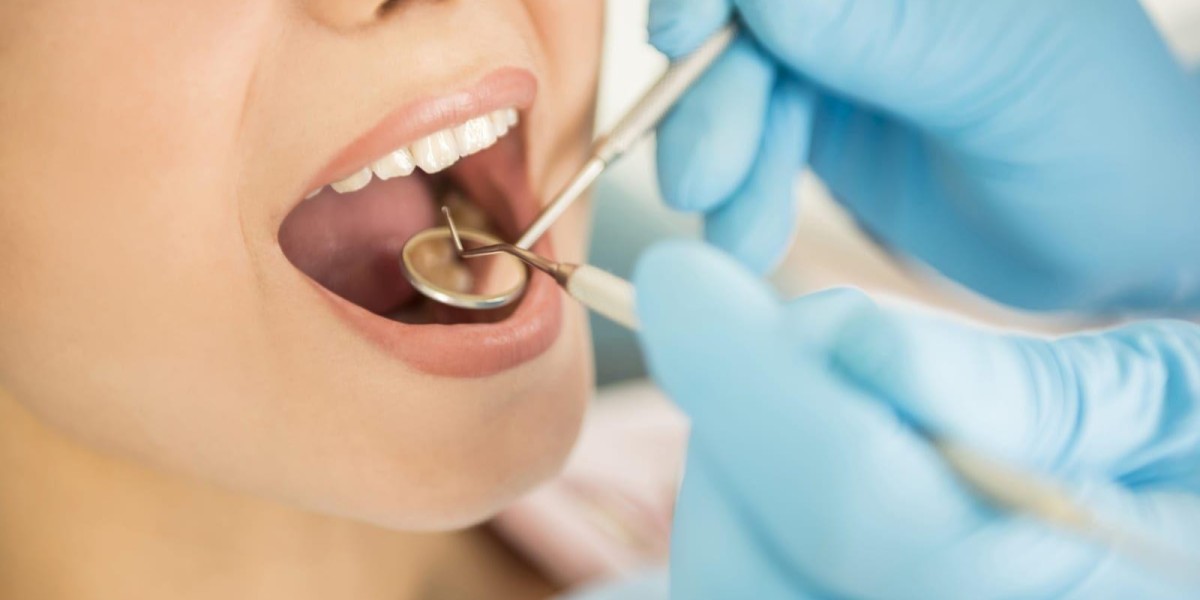

Teeth Cleaning is a routine dental procedure that helps remove plaque, tartar, and surface stains that may remain even after regular brushing and flossing. For patients in Dubai, professional dental cleaning can be an important part of preventive oral care and can help keep teeth and gums in better condition.
Choosing professional dental care can make routine oral hygiene easier to maintain. Enfield Dental Clinic Dubai can provide dental services designed to support healthy teeth and gums while helping patients understand their individual oral care needs. A cleaning appointment can also give your dentist an opportunity to identify areas that may need additional attention.
What Happens Before the Cleaning?
Before the actual cleaning begins, a dental professional usually examines your teeth and gums. This initial assessment helps determine the condition of your mouth and whether there are areas with significant plaque, tartar, staining, or gum irritation.
Your dentist may also ask about any sensitivity, discomfort, bleeding, or changes you have noticed. Sharing these details can help the dental professional provide care that is appropriate for your situation.
The examination may also help determine whether you need a routine cleaning or additional dental treatment.
Plaque and Tartar Removal
One of the main steps of a professional cleaning is removing accumulated plaque and tartar. Plaque is a soft, sticky film containing bacteria that develops on the teeth throughout the day.
When plaque is not removed properly, it can harden into tartar. Unlike soft plaque, hardened tartar generally cannot be removed effectively with a toothbrush.
Cleaning the Gumline
Tartar frequently develops around the gumline because this area can be difficult to clean thoroughly at home. A dental professional carefully removes deposits from around the gums using appropriate instruments.
Keeping the gumline cleaner can support healthier gums and help reduce the buildup that may cause irritation.
Cleaning Between Teeth
Plaque and food particles can also accumulate between teeth. While daily interdental cleaning is important, professional cleaning can provide additional attention to these areas.
Your dentist may also recommend specific flossing or interdental cleaning techniques based on your needs.
Polishing the Teeth
After plaque and tartar have been removed, the teeth may be polished. Dental polishing uses specialized equipment to smooth the tooth surfaces and remove some remaining external stains.
Coffee, tea, tobacco, and certain foods can contribute to surface discoloration. Polishing may help improve the appearance of these stains, although it is not the same as professional teeth whitening.
The goal of polishing during a routine cleaning is primarily to create a smoother and cleaner tooth surface.
Does the Procedure Cause Sensitivity?
Some patients experience mild sensitivity during or after a dental cleaning. This can be more noticeable when there is significant tartar buildup, gum inflammation, or naturally sensitive teeth.
The sensation is generally manageable, but everyone has a different level of sensitivity. Inform your dentist if you have experienced sensitivity during previous dental appointments.
If sensitivity or discomfort remains significant after your appointment, contact your dental provider for advice.
How Long Does Treatment Take?
The length of a cleaning appointment varies from patient to patient. Someone with minimal buildup may require less time, while a patient with substantial tartar or other oral health concerns may need a longer appointment.
Your dentist can provide a better idea of the expected treatment time after examining your teeth and gums.
Routine appointments are generally straightforward, but the condition of your oral health can influence what is required.
Why Professional Cleaning Is Important
Daily brushing and flossing are essential, but they cannot always remove hardened tartar. Professional cleaning helps address deposits that regular home care cannot eliminate.
Regular dental visits also allow your dentist to monitor changes in your oral health. Issues involving the gums or teeth may sometimes develop before noticeable symptoms appear.
Preventive dental care can therefore help you stay aware of your oral health instead of waiting until a problem becomes uncomfortable.
What Should You Do After Cleaning?
After your appointment, continue following a consistent oral hygiene routine. Brush your teeth twice daily with fluoride toothpaste and clean between your teeth regularly.
If your dentist provides specific recommendations, follow them carefully. You may also want to avoid habits that encourage excessive plaque buildup or surface staining.
Drinking water regularly can support oral cleanliness, while limiting frequent sugary foods and drinks can help support better dental health.
How to Maintain a Clean Smile
The results of professional cleaning are easier to maintain when you take care of your teeth every day. Brush gently along the gumline and make sure you do not consistently miss the back teeth or other difficult areas.
Cleaning between your teeth is equally important because toothbrush bristles cannot reach every surface.
Replacing a worn toothbrush or toothbrush head can also help maintain effective daily cleaning. Your dentist can recommend suitable products and techniques based on your oral health.
When Should You Have Another Cleaning?
The recommended frequency of professional cleaning depends on your individual needs. Factors such as tartar buildup, gum health, dental history, oral hygiene habits, and certain lifestyle factors can affect how often appointments are appropriate.
Some patients may benefit from routine appointments at regular intervals, while others may need more frequent professional care.
Your dentist can assess your teeth and gums and recommend a schedule that suits your oral health.
Final Thoughts
Professional Teeth Cleaning is a straightforward procedure that can help remove plaque, tartar, and certain surface stains while supporting healthier teeth and gums. Understanding what happens during treatment can make the process feel more comfortable and familiar.
Professional appointments work best when combined with daily brushing, cleaning between the teeth, healthy habits, and regular dental examinations. By making oral hygiene a consistent part of your routine, you can better protect your smile and maintain good dental health over time.