
Gaining weight in a healthy way is not simply about eating more food. The quality of your nutrition, your protein intake, your calorie intake, physical activity, and recovery all play an important role in supporting healthy weight gain.
When people look for ways to increase their weight, two common options they come across are herbal weight gainers and protein supplements. Although both may be used as part of a weight-gain routine, they are not necessarily designed for the same purpose.
Understanding the difference can help you choose an approach that better matches your nutritional needs and goals.
What Is a Herbal Weight Gainer?
A herbal weight gainer is a supplement formulated around herbal or plant-based ingredients and other nutritional components intended to complement a calorie- and nutrient-rich diet.
Unlike a traditional protein powder, an herbal weight gainer may focus on broader nutritional support rather than primarily supplying protein. Depending on the product, its formulation can be designed to complement appetite, energy, digestion, or general nutritional intake.
However, herbal does not automatically mean that a product will cause weight gain on its own. Healthy weight gain still depends largely on consuming enough calories and nutrients consistently.
What are protein supplements?
Protein supplements are products designed primarily to help people increase their protein intake. They are commonly available as powders, shakes, bars, or ready-to-drink products.
Protein is particularly important for people who exercise because it provides amino acids needed for muscle repair and maintenance.
For someone trying to gain lean mass, protein supplements for weight gain can be useful when regular meals do not provide enough protein.
For example, a person who has difficulty meeting their daily protein needs through foods such as eggs, dairy, meat, fish, beans, or lentils may use a protein supplement as a convenient addition to their diet.
Herbal Weight Gainer vs Protein Supplements
The biggest difference is their primary nutritional purpose.
Feature | Herbal Weight Gainer | Protein Supplement |
Main focus | Broader nutritional support | Increasing protein intake |
Typical ingredients | Herbal and nutritional ingredients | Protein sources |
Protein content | Depends on formulation | Usually the main component |
Common use | Complementing a weight-gain diet | Supporting protein intake and muscle recovery |
Best suited for | People looking for broader nutritional supplementation | People who need additional protein |
Neither option should automatically be considered better than the other. The right choice depends on what is missing from your existing diet.
Which One Is Better for Weight Gain?
There is no single supplement that is best for everyone.
If your main problem is that you are not getting enough protein, a protein supplement may be a practical option. On the other hand, if you are looking for a broader weight gain supplement to complement your daily nutrition, an appropriately formulated herbal product may be worth considering.
It is also important to remember that gaining weight requires an adequate calorie intake. A supplement cannot compensate for consistently eating too little.
Your meals should remain the foundation of your weight-gain plan.
The Role of Protein in Healthy Weight Gain
Protein deserves special attention because weight gain is not only about increasing the number on the scale.
When combined with resistance training, adequate protein can support muscle maintenance and development. Good dietary sources include:
Eggs
Chicken and other lean meats
Fish
Milk and yogurt
Cottage cheese
Beans and lentils
Nuts and seeds
Soy and other plant-based protein sources
A protein supplement can be convenient, but it is not essential for everyone. Many people can meet their protein requirements through a balanced diet.
Can a Herbal Weight Gainer Replace Protein?
Not necessarily.
The nutritional composition of supplements varies significantly. Some herbal weight gain products may contain little or no significant amount of protein, while protein supplements are specifically formulated to provide protein.
Therefore, you should always check the ingredient list and nutrition information rather than assuming that two products serve the same purpose.
If muscle development is your primary goal, ensuring adequate protein is particularly important. If your diet lacks overall calories or you struggle with your appetite and food intake, a broader nutritional approach may be more appropriate.
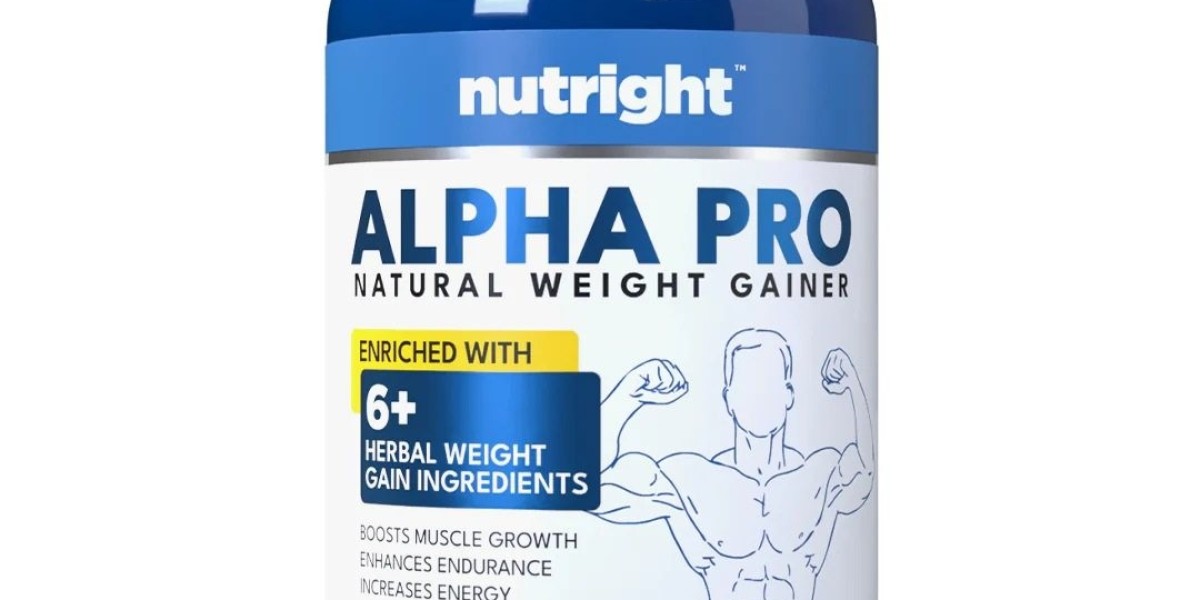
Introducing Alpha Pro by Nutright
Alpha Pro by Nutright is positioned as a weight-gain product for people looking to complement their nutritional routine.
Rather than treating a supplement as a replacement for meals, it is better to view products such as Alpha Pro as part of a broader approach that includes nutritious food, sufficient calories, adequate protein, regular physical activity, and proper rest.
Anyone considering a supplement should review its ingredients, recommended use, and suitability for their individual needs.
What Should You Consider Before Choosing a Supplement?
Before choosing between a herbal weight gainer and a protein supplement, consider your current nutritional requirements.
1. Your Current Diet
Look at what you are already eating. If you consume enough calories but struggle to reach your protein needs, protein may be the bigger priority.
If your overall food intake is low, improving your meals should come first.
2. Your Goal
Your goal also matters.
Someone trying to build muscle through resistance training may prioritize protein and structured exercise. Someone who is under-consuming calories may need to focus more broadly on improving total food and nutrient intake.
3. Your Activity Level
People who regularly perform resistance training generally have greater protein needs than someone who is mostly sedentary.
Exercise should therefore be considered when deciding how much protein and overall nutrition you need.
4. The Supplement's Ingredients
Do not choose a product solely because it is labeled "herbal" or "natural."
Read the ingredient list, serving information, and recommended dosage. If you have an existing medical condition, take medication, or have concerns about a supplement's ingredients, consult a qualified healthcare professional before using it.
Healthy Weight Gain Still Starts With Food
Regardless of which supplement you choose, your everyday diet remains the foundation of healthy weight gain.
Try to include a combination of:
Protein-rich foods
Whole grains
Fruits and vegetables
Healthy fats
Dairy or suitable alternatives
Beans and legumes
Nuts and seeds
You can also increase the energy density of meals by adding foods such as nut butter, olive oil, avocado, yogurt, or nuts where appropriate.
Eating consistently throughout the day can also make it easier to reach your calorie needs.
Final Thoughts
The difference between a herbal weight gainer and a protein supplement mainly comes down to their formulation and intended nutritional role.
Protein supplements primarily help increase protein intake, while herbal weight-gain products may provide a broader combination of herbal and nutritional ingredients. Neither should be viewed as a substitute for a balanced diet.
For people considering Alpha Pro Nutright, the product should be considered as part of an overall healthy weight-gain routine rather than a standalone solution. A combination of adequate calories, nutritious foods, sufficient protein, appropriate exercise, and good recovery habits provides a stronger foundation for sustainable results.