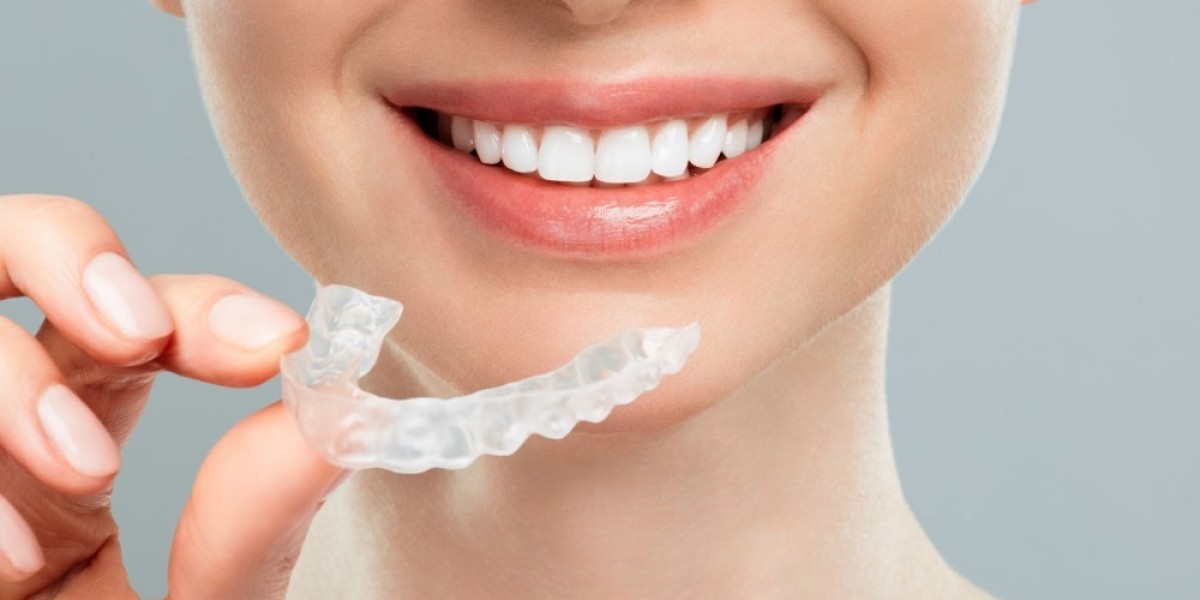

Clear aligners have become an increasingly organised approach to orthodontic treatment, allowing patients to gradually move their teeth while using removable trays. Because aligners are worn for much of the day and come into regular contact with the teeth, maintaining them properly is an important part of the treatment routine.
For patients considering Invisalign Dubai, understanding how to clean, store, and handle aligners can make everyday treatment easier. Proper maintenance involves more than simply rinsing the trays. Cleaning habits, storage, handling, eating routines, and regular dental appointments can all contribute to keeping the aligners in suitable condition throughout the treatment period.
At Cornerstone, patients can discuss their individual aligner routine during their orthodontic consultations and learn how to incorporate aligner care into their daily schedule.
Why Aligner Maintenance Is Important
Invisalign aligners are designed to fit closely over the teeth. This close fit means that anything remaining on the teeth or inside the aligner can stay in contact with the dental surfaces for extended periods.
Regular cleaning helps keep the aligners clear and fresh between uses. It also supports a consistent daily routine, which is particularly useful when treatment involves wearing a series of aligners over several stages.
Each set of aligners is intended to guide the teeth according to a planned sequence. Keeping the trays clean and handling them appropriately allows patients to maintain their aligners while progressing through their treatment plan.
Clean Your Aligners Regularly
One of the simplest ways to maintain clear aligners is to clean them regularly. Aligners can be rinsed with cool or lukewarm water when they are removed and cleaned more thoroughly as part of the daily routine.
Patients should follow the cleaning instructions provided by their dental professional because recommendations can vary depending on the aligner system and individual treatment plan.
A gentle approach is generally appropriate. Aggressive cleaning techniques or unsuitable cleaning products may affect the appearance or surface of the aligner.
Developing a consistent cleaning routine is often easier than waiting until the aligners become visibly dirty. Regular maintenance keeps cleaning integrated into everyday treatment rather than making it an occasional task.
Rinse Aligners After Removing Them
Rinsing the aligners after removal can be a practical habit, particularly when brushing the teeth immediately is not possible.
A rinse can remove saliva and loose particles from the surface before the aligners are stored or placed back into the mouth.
Using very hot water should be avoided unless specifically recommended by the dental professional or manufacturer. Aligners are custom-made from thermoplastic materials, and excessive heat can affect their shape.
Keeping a small container or appropriate storage case available can also make it easier to maintain the routine while travelling or spending time away from home.
Brush Your Teeth Before Wearing the Aligners Again
Oral hygiene and aligner maintenance are closely connected. Before putting the aligners back into the mouth, patients should maintain their usual tooth-cleaning routine according to their dentist's instructions.
Brushing helps remove food particles and plaque from the teeth before the aligners cover them again.
This can be particularly important after meals. Instead of simply placing the aligners back over teeth that have recently been exposed to food, patients can make tooth brushing part of their normal sequence.
A simple routine can be:
- Remove the aligners before eating.
- Eat the meal.
- Rinse the mouth with water.
- Brush the teeth when practical.
- Rinse and clean the aligners.
- Place the aligners back into position.
This routine can help integrate aligner treatment into everyday oral hygiene.
Use the Correct Cleaning Approach
Patients should use cleaning methods recommended for their specific aligners. A dentist or orthodontic professional can explain which products and techniques are suitable.
A soft approach is generally preferable when cleaning removable aligners. Using excessively abrasive materials or inappropriate household products can interfere with the appearance or surface of the trays.
The aligners should also be rinsed thoroughly after cleaning so that no cleaning residue remains.
Following the manufacturer's care instructions alongside professional guidance provides a practical framework for maintaining the trays throughout treatment.
Keep Aligners Away From Excessive Heat
Temperature is an important consideration when handling clear aligners.
Patients should avoid exposing their trays to very hot water or placing them near high sources of heat. Heat can potentially alter the shape of thermoplastic aligners, which are manufactured to correspond closely with the patient's teeth.
For this reason, cool or lukewarm water is generally more appropriate for routine rinsing unless specific instructions say otherwise.
The same principle applies when storing aligners. They should be kept in an appropriate case rather than left in areas where they may be exposed to excessive heat.
Store Aligners in Their Case
An aligner case provides a dedicated place to keep trays when they are not being worn.
This is especially useful during meals, as placing an aligner on a table, tissue, or other exposed surface can make it easier to misplace or contaminate.
Patients can develop the habit of putting the aligners directly into their case whenever they remove them. Keeping the case in a familiar location, such as a handbag, work bag, or travel kit, can also make the routine easier to follow.
The case itself should be kept clean. Periodically cleaning it according to the manufacturer's or dentist's recommendations helps maintain a suitable storage environment.
Handle Aligners Carefully
Clear aligners are designed to be removable, but they should still be handled carefully.
When removing an aligner, patients can follow the technique demonstrated by their dentist or orthodontic professional. Avoiding unnecessary bending or twisting can help preserve the intended shape of the tray.
It is also useful to handle the aligners with clean hands. This simple step reduces the transfer of food particles or other residue onto the trays.
Patients should avoid using sharp objects to remove an aligner. If a tray becomes difficult to remove or does not seem to fit as expected, contacting the dental professional is more appropriate than attempting to modify it independently.
Follow the Recommended Wearing Routine
Maintaining aligners is not limited to cleaning them. Consistent use according to the treatment plan is another important part of aligner care.
Patients are generally provided with a specific schedule for wearing their trays and changing from one set to the next. Following those instructions helps keep treatment organised.
Because aligners are removable, it can be tempting to leave them out for longer than planned. Establishing regular routines around meals, brushing, work, and sleep can help patients maintain consistency.
During Invisalign Dubai treatment, the dental team can explain the expected wearing schedule and how to manage everyday situations involving removal and replacement.
Remove Aligners Before Eating
Clear aligners are normally removed before eating unless the patient's dental professional provides different instructions.
Removing the trays during meals helps keep food from becoming trapped between the aligner and teeth. It also reduces the likelihood of staining the transparent material.
After eating, patients can rinse their mouth and clean their teeth before replacing the aligners when practical.
For drinks, patients should follow the instructions given by their dental provider. Water is generally the simplest choice while wearing clear aligners.
Be Careful With Drinks
The appearance of clear aligners can be affected by what comes into contact with them.
Patients should follow their orthodontic provider's guidance regarding beverages during treatment. Removing the aligners for meals and drinks other than water is often incorporated into the treatment routine.
This can help reduce exposure to substances that may stain the trays or remain between the aligners and teeth.
Maintaining a simple water-only routine while the aligners are in place can also make everyday care more straightforward.
Clean the Aligner Case
The aligner case deserves attention because it is where the trays spend their time when they are removed.
A dirty case can transfer residue back onto clean aligners. Patients can therefore include case cleaning as part of their regular maintenance routine.
The case should be allowed to dry appropriately after cleaning, and it should be kept in a clean location.
Having a spare case may also be useful for travel, although patients should follow their provider's recommendations regarding storage.
Avoid Losing Your Aligners
Because clear aligners are removable, patients need a reliable system for keeping track of them.
One useful habit is to place the aligners in their case immediately after removal. Wrapping them in a tissue or leaving them loose in a pocket or bag can make them easier to overlook or accidentally discard.
When travelling, keeping the case in a dedicated part of a bag can make it easier to locate.
If an aligner is misplaced, patients should contact their dental provider rather than automatically moving to another stage. The appropriate next step depends on the individual's treatment plan.
Maintain Regular Dental Appointments
Regular appointments remain an important part of aligner treatment even though patients manage much of the daily routine themselves.
During appointments, the dental team can assess progress, discuss the fit of the current aligner, review oral hygiene, and provide guidance for the next stage.
These visits also provide an opportunity to discuss practical concerns such as cleaning methods, storage, wearing routines, or difficulties with a particular aligner.
Maintaining communication with the dental team can help patients understand whether their daily aligner routine is working appropriately for their individual treatment plan.
Build Aligner Care Into Your Daily Routine
The easiest way to maintain aligners is often to make their care part of existing habits.
For example, patients can associate removing the aligners with mealtimes, cleaning them with their tooth-brushing routine, and storing them in the case whenever they are not being worn.
A predictable routine reduces the need to remember individual maintenance tasks throughout the day.
Over time, these habits can become a normal part of everyday life. This is particularly useful for patients whose treatment involves multiple sets of aligners over an extended period.
What to Do When an Aligner Changes Appearance
Clear aligners may become less transparent over time depending on use, cleaning, and exposure to food or drinks.
If a patient notices a significant change in appearance, unusual distortion, or a change in fit, they should discuss it with their dental provider.
It is better to obtain professional guidance than to attempt to reshape, trim, or alter the aligner independently.
The dental team can determine whether the tray is still appropriate for the current stage of treatment and explain what should happen next.
How Cornerstone Can Support Aligner Maintenance
At Cornerstone, aligner treatment can include guidance about daily care alongside the broader orthodontic plan. Patients can ask questions about cleaning, storage, removal, wearing routines, and aligner changes during their appointments.
Understanding these practical details before beginning treatment can make the process easier to manage. Patients can also discuss their lifestyle and daily schedule so that aligner care can be incorporated into their existing routines.
For people researching Invisalign Dubai, maintenance should be viewed as an ongoing part of the treatment process rather than a separate task.
Conclusion
Maintaining clear aligners involves consistent cleaning, careful handling, suitable storage, and following the wearing and changing schedule provided by the dental professional. Patients can make the process easier by establishing simple habits around meals, brushing, rinsing, and storing their trays.
Keeping the aligner case clean, avoiding excessive heat, removing aligners before eating, and attending scheduled dental appointments can also support an organised treatment routine.
For patients considering Invisalign Dubai, discussing aligner maintenance during a consultation can provide practical guidance tailored to their treatment plan. At Cornerstone, patients can learn how daily aligner care fits into their individual orthodontic journey.
FAQs
How often should Invisalign aligners be cleaned?
Aligners should be cleaned regularly as part of the daily routine. Patients should follow the specific cleaning instructions provided by their dental professional.
Can I wash my aligners with hot water?
Very hot water should generally be avoided unless specifically recommended. Excessive heat can affect the shape of thermoplastic aligners.
Should I remove Invisalign aligners when eating?
Patients are generally instructed to remove clear aligners before eating. Their dentist can provide specific guidance based on their treatment plan.
Can I drink while wearing Invisalign aligners?
Patients should follow their provider's instructions regarding drinks. Water is generally the simplest beverage to consume while aligners are in place.
Where should I keep my aligners when I remove them?
The aligners should be placed in their designated case when they are not being worn. This helps keep them organised and reduces the chance of misplacing them.
Should I clean my aligner case?
Yes. Regularly cleaning the aligner case can help maintain a clean storage environment for the trays.
Can I brush my Invisalign aligners with a toothbrush?
Patients should follow the cleaning method recommended by their dental professional. A gentle cleaning approach is generally preferable to aggressive brushing or abrasive materials.
What should I do if I lose an aligner?
Contact your dental provider for guidance. The appropriate response depends on which stage of treatment you are in and your individual treatment plan.
Can I use the same cleaning routine for every aligner?
The general maintenance routine may remain similar, but patients should follow the manufacturer's and dental professional's instructions for their specific aligners.
Why should I clean my teeth before putting the aligners back in?
Cleaning the teeth before replacing the aligners helps remove food particles and plaque before the teeth are covered by the trays again.
How should I remove my Invisalign aligners?
Patients should use the removal technique demonstrated by their dental professional. The aligners should be handled gently rather than twisted or forced.
How can I remember to wear my aligners consistently?
Creating routines around meals, brushing, and bedtime can help make aligner wear part of everyday life. Keeping the case nearby can also make removal and replacement more organised.
Can I travel with Invisalign aligners?
Yes. Patients can travel with their aligners by keeping them in their case and maintaining their usual cleaning and wearing routine. Taking the necessary aligner supplies with you can make treatment easier to manage while away from home.
What if my aligner no longer fits correctly?
If an aligner does not fit as expected, contact your dental provider for advice. They can assess the situation and determine the appropriate next step in the treatment plan.