
Radon is an invisible, odorless, and naturally occurring radioactive gas that can enter homes through cracks, gaps, floor drains, and other openings connected to the ground. Because it cannot be seen or smelled, many homeowners may not realize that elevated levels are present inside their properties. Understanding where radon comes from, how to test for it, and what can be done to reduce it is an important part of maintaining a healthy home environment.
Radon Remediation
Radon remediation refers to the process of reducing elevated radon concentrations inside a building. While testing determines how much radon is present, remediation focuses on controlling and reducing the gas before it can accumulate to concerning levels.
Radon levels can vary significantly between neighboring properties because they depend on factors such as soil conditions, foundation construction, ventilation, and how easily gases can move from the ground into a building. A home does not need to have a basement to experience elevated radon levels.
Professional remediation typically involves identifying how radon is entering the property and installing an appropriate mitigation approach. The objective is to redirect radon from beneath the building and safely exhaust it outdoors.
What Causes Radon to Enter a Home?
Radon originates naturally from the breakdown of uranium found in soil and rock. As the gas moves through the ground, it can find pathways into buildings.
Common entry points include:
- Cracks in concrete floors and foundation walls
- Gaps around pipes and utility lines
- Floor drains and sump pits
- Construction joints
- Crawl spaces
- Exposed soil in unfinished areas
- Gaps around foundations
Homes with poor air circulation or negative indoor pressure can sometimes draw more soil gas into the building. This is why simply sealing visible cracks may not always be enough to solve the problem.
Why Radon Testing Matters
Testing is the only practical way to determine whether a property has elevated radon levels. Since radon has no smell, color, or taste, relying on physical signs is not possible.
A proper test can help homeowners understand their property's radon concentration and decide whether additional action is necessary.
There are two general approaches:
Short-Term Testing
Short-term tests are designed to measure radon over a relatively brief period. They can provide an initial indication of indoor radon levels and may be useful when homeowners need preliminary information.
Long-Term Testing
Long-term testing measures radon exposure over a much longer period. Because radon concentrations naturally fluctuate from day to day and season to season, longer testing can provide a more representative picture of typical indoor conditions.
For the most useful results, testing equipment should be placed in an appropriate location and used according to the manufacturer's instructions.
Understanding Your Test Results
Radon test results should be interpreted carefully rather than focusing on a single day's reading. Indoor radon concentrations can change because of weather, ventilation, soil conditions, and how a building is being used.
If testing indicates elevated levels, homeowners can consult a qualified professional to determine the most suitable reduction strategy.
It is also important to avoid assuming that newer homes are automatically protected. Modern construction can include measures that help reduce radon entry, but testing is still important because actual indoor concentrations depend on the individual property.
Common Radon Reduction Solutions
Once elevated levels have been identified, different solutions may be considered depending on the building's construction and how radon is entering.
Active Soil Depressurization
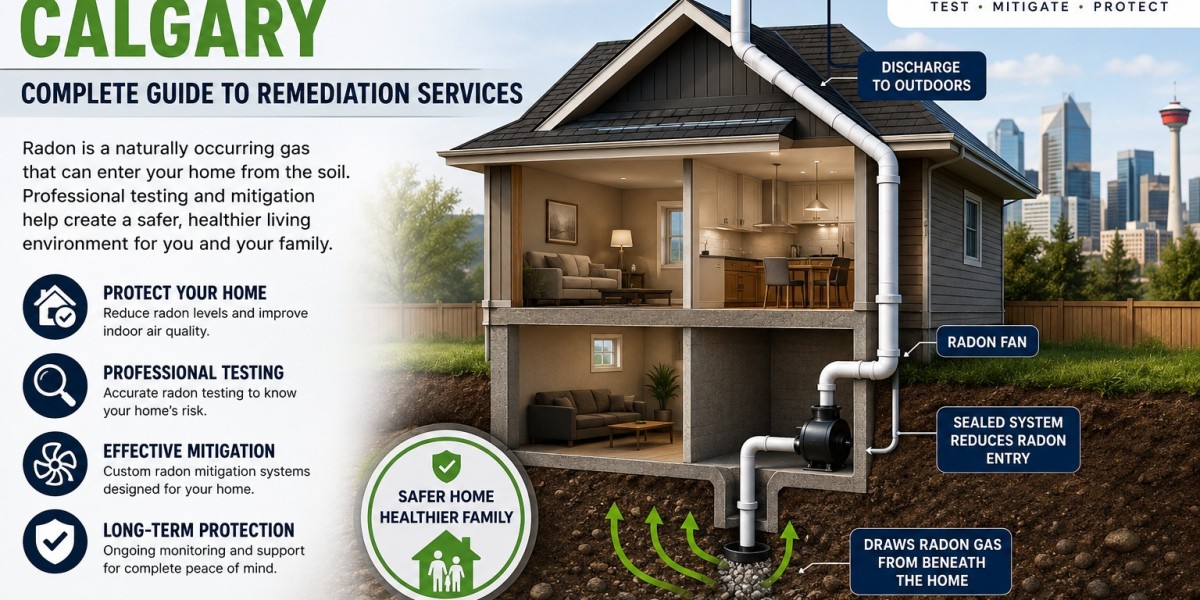
One of the commonly used approaches involves creating a pathway beneath the building that allows soil gas to be collected and exhausted outside.
A typical system may include:
- A collection point beneath the foundation
- PVC or similar vent piping
- An in-line radon fan
- An exterior discharge point
- Monitoring or warning components
The fan creates negative pressure beneath the building, helping prevent radon from entering the living space.
Sump-Based Systems
Properties with existing sump pits may be able to use the sump area as part of a radon reduction system. The sump is sealed and connected to appropriate venting so that soil gas can be redirected outdoors.
However, not every sump is suitable for this approach, so the property's construction should be assessed before installation.
Crawl Space Solutions
Homes with crawl spaces may require a different strategy. Depending on the construction, a professional may install a membrane over exposed soil and use active ventilation to collect and exhaust soil gases.
The exact solution depends on accessibility, foundation design, and existing ventilation.
Benefits of Professional Remediation
Although homeowners may be able to perform basic radon testing themselves, professional assessment and system installation can be valuable when elevated levels are discovered.
Professional work can help with:
- Identifying potential entry pathways
- Selecting an appropriate reduction method
- Properly sizing and positioning system components
- Ensuring exhaust points are appropriately located
- Checking system operation
- Providing recommendations for follow-up testing
A properly designed system should be considered part of the home's overall indoor air management rather than simply another mechanical appliance.
How to Maintain a Radon Reduction System
Installing a system is not necessarily the final step. Homeowners should periodically check that the equipment continues to operate as intended.
Useful maintenance practices include:
- Visually checking the system components
- Listening for unusual fan noises
- Checking the system indicator, if installed
- Keeping vent outlets clear
- Retesting the home periodically
- Investigating unusual changes in indoor radon measurements
Fans and other mechanical components can eventually wear out, so periodic inspection is worthwhile.
Protecting Your Home From Radon
Radon protection works best when homeowners take a proactive approach. Testing provides information, while appropriate reduction measures can help lower indoor concentrations when necessary.
Homeowners can also pay attention to areas where soil gas may enter, particularly around foundation penetrations, sump pits, drains, and utility openings. However, sealing cracks alone should not be considered a complete solution when elevated radon has already been confirmed.
For new construction, radon-resistant construction techniques can also be considered during the building process. Incorporating protective features before a home is completed can be easier than modifying the property later.
When Should You Test for Radon?
Testing can be particularly worthwhile when:
- Moving into a new home
- Buying or selling a property
- Completing basement renovations
- Spending significant time in below-grade rooms
- Building a new home
- Previous testing was performed several years ago
- A neighboring property has reported elevated levels
Because conditions can change, previous test results should not necessarily be treated as permanent evidence of current indoor conditions.
Choosing a Radon Professional
When remediation is required, homeowners should look for professionals with relevant training and experience. Ask about their testing methods, remediation approach, equipment, follow-up procedures, and recommendations for post-installation testing.
A reliable professional should be willing to explain the proposed system in clear language rather than simply recommending equipment without assessing the property.
It is also useful to request a written explanation of the work, including what components will be installed and how the system will be monitored after completion.
Final Thoughts on Radon Protection
Taking radon seriously does not mean assuming that every home has a dangerous level. Instead, the sensible approach is to test first, understand the results, and take appropriate action when needed. With proper assessment and a suitable reduction strategy, homeowners can make informed decisions about their indoor environment.
For homeowners looking for reliable Radon mitigation services in Calgary, professional testing, assessment, installation, and follow-up can provide a practical path toward managing elevated radon levels and protecting the home.
If you are researching radon remediation calgary, start with accurate testing and professional guidance so the solution is based on your property's actual conditions rather than guesswork.