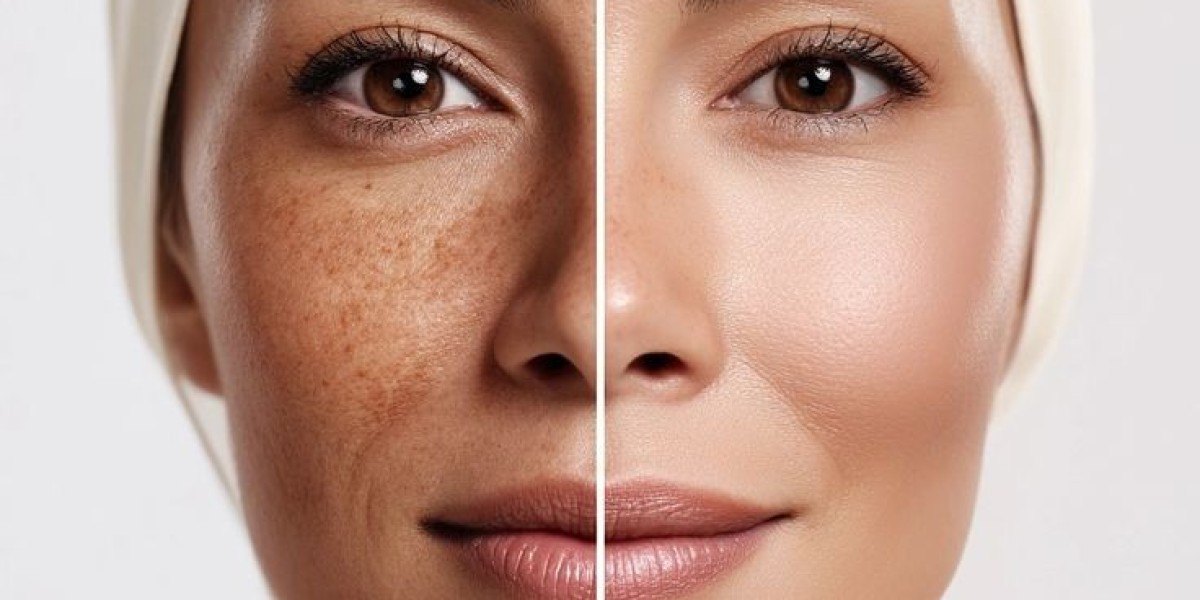

Skin pigmentation refers to changes in the natural color of the skin. When melanin production becomes uneven or excessive, darker areas may develop on the face or body. These concerns can appear as dark spots, patches, acne marks, sun-related discoloration, or melasma.
For people exploring Skin Pigmentation in Dubai, professional care can provide a more structured approach to understanding the cause of discoloration and selecting suitable treatment options. Pigmentation can have different underlying causes, so treatment is not necessarily the same for every person.
Common Types of Pigmentation
Pigmentation can take several forms, and identifying the pattern can help determine an appropriate approach.
Hyperpigmentation
Hyperpigmentation occurs when certain areas of skin become darker than the surrounding skin. Sun exposure, inflammation, hormonal changes, and skin injuries can all contribute to excess pigmentation.
Melasma
Melasma commonly appears as brown or grayish patches, particularly across the cheeks, forehead, nose, and upper lip. Sun exposure can make melasma more noticeable, and it may require ongoing management rather than a single treatment.
Post-Inflammatory Pigmentation
Acne, irritation, burns, or other skin inflammation can sometimes leave darker marks after the original concern has healed. These marks may gradually fade but can become more noticeable with continued sun exposure.
Sun-Related Dark Spots
Repeated ultraviolet exposure can contribute to localized areas of darker pigmentation. These spots are often found on areas that receive frequent sun exposure, including the face, hands, and other exposed areas.
Why Professional Pigmentation Care Matters
Pigmentation concerns can look similar even when their underlying causes are different. Professional assessment can help distinguish between conditions such as melasma, post-inflammatory hyperpigmentation, and other forms of discoloration.
For melasma, assessment may include close examination of the skin and, when appropriate, tools that help determine how deeply pigment extends into the skin. Treatment can then be adapted to factors such as skin tone, pigmentation depth, triggers, and previous treatment history.
Professional Treatment Options
There is no universal treatment for every pigmentation concern. Depending on the individual situation, professional care may involve topical products, chemical peels, laser or light-based procedures, or combinations of different approaches.
Targeted Skincare
Topical skincare may be used to support a more even-looking complexion. Depending on the pigmentation concern, ingredients such as vitamin C, azelaic acid, retinoids, or other pigment-targeting formulations may be considered.
A gradual approach can be especially useful for sensitive or pigmentation-prone skin because excessive irritation may contribute to additional discoloration.
Chemical Peels
Chemical peels use selected exfoliating solutions to encourage skin renewal. Certain superficial peels may help improve the appearance of uneven pigmentation and skin texture.
The type and strength of a peel should be selected according to individual skin characteristics. Overly aggressive exfoliation may irritate the skin, so controlled treatment and appropriate aftercare are important.
Laser and Light-Based Treatments
Laser or light-based procedures may be considered for certain pigmentation concerns. These treatments use controlled energy to target specific areas of discoloration.
They are not appropriate for every pigmentation condition, and treatment settings need to be selected carefully. In particular, melasma can be persistent and may sometimes worsen when the skin becomes irritated. The American Academy of Dermatology notes that laser and light treatments may be used in selected cases, sometimes alongside topical treatment and sun protection.
Microneedling
Microneedling creates controlled microscopic channels in the skin and may be incorporated into some pigmentation treatment plans. It can also be considered when uneven pigmentation occurs alongside concerns about skin texture.
Its suitability depends on the individual's skin and the type of pigmentation being addressed.
The Importance of Sun Protection
Sun protection is a fundamental part of professional pigmentation management. Ultraviolet exposure can stimulate melanin production, darken existing pigmentation, and contribute to recurrence.
Daily use of broad-spectrum sunscreen with SPF 30 or higher, combined with shade and protective clothing, can help reduce ongoing exposure. For melasma, tinted sunscreen containing iron oxides may also help protect against visible light, which can worsen pigmentation in some individuals.
How Treatment Is Personalized
A professional pigmentation plan should consider more than the visible appearance of dark spots. Skin tone, sensitivity, pigmentation depth, lifestyle, sun exposure, previous procedures, and the suspected cause can all influence treatment selection.
For example, an approach suitable for superficial sun-related discoloration may not be appropriate for melasma. Similarly, pigmentation that developed after acne may require a different strategy from long-standing hormonal pigmentation.
What to Expect During Pigmentation Care
Results from pigmentation treatment usually develop gradually rather than immediately. Depending on the selected approach, temporary redness, dryness, sensitivity, or peeling may occur during recovery.
Following aftercare instructions and avoiding unnecessary irritation can support the skin during this period. Consistent sun protection is particularly important because new exposure can make pigmentation more noticeable.
For melasma specifically, improvement can take several months, and ongoing maintenance may be necessary because the condition can return.
Maintaining Your Results
Professional treatment is only one part of long-term pigmentation management. A consistent skincare routine can help maintain improvements while reducing factors that may trigger new discoloration.
Gentle cleansing, suitable moisturization, regular sun protection, and avoiding harsh or irritating products can support the skin barrier. The American Academy of Dermatology also recommends gentle, fragrance-free skincare for people managing melasma because irritation can make dark spots more noticeable.
Setting Realistic Expectations
Pigmentation treatment should focus on gradual, realistic improvement rather than promising complete or permanent removal. Some pigmentation conditions are more persistent than others, and individual responses can vary.
Melasma, in particular, may require long-term management. A combination of appropriate treatment, sun protection, and maintenance skincare can help support a more even-looking complexion over time.
Final Thoughts
Professional pigmentation care can help address concerns such as hyperpigmentation, melasma, dark spots, and uneven skin tone through carefully selected treatment options and consistent skin protection. If you are considering Skin Pigmentation in Dubai treatment, TAJMEELS CLINIC can be part of your journey toward a more balanced and healthier-looking complexion.
More Information
Tajmeels Clinic Dubai
WhatsApp: +971 56 203 8751
Phone: tel:+971 43739000
Social Media: