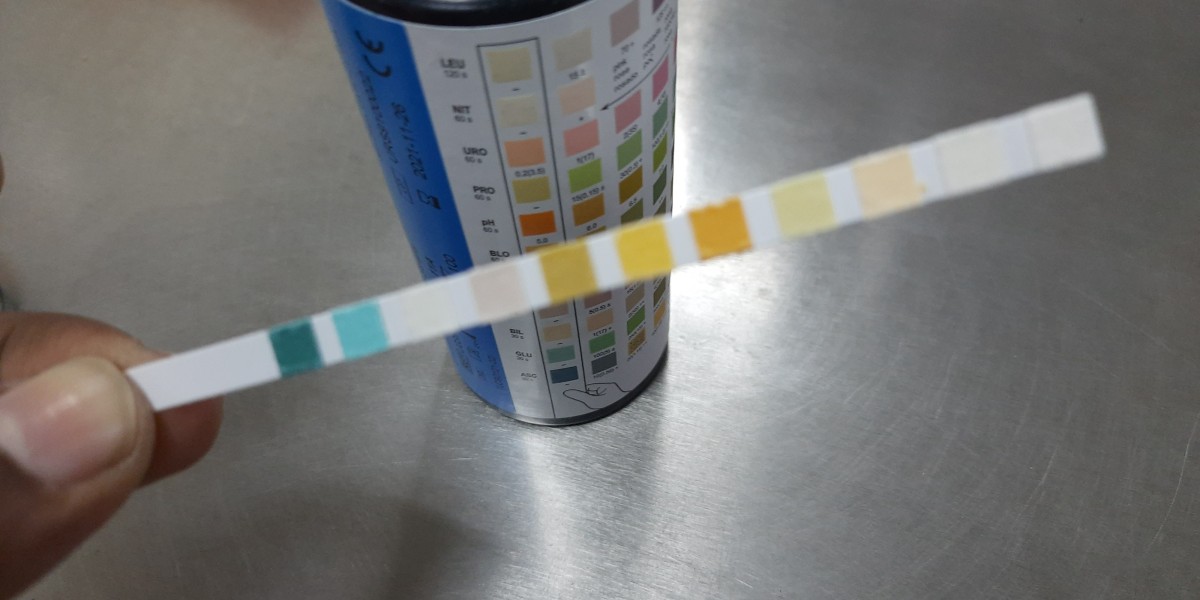

When people think about diabetes testing, blood sugar tests are usually the first thing that comes to mind. But urine can also provide useful clues about how the body is handling glucose. A urine analysis test, or Urine Analysis in Dubai, may detect glucose and ketones in urine, along with other substances that can provide information about overall health.
So, can a urine analysis test detect diabetes?
It can provide clues that may suggest diabetes, but a routine urine test cannot diagnose diabetes on its own. Blood tests are more accurate and are commonly used to confirm diabetes or prediabetes.
Understanding the connection between urine glucose, blood sugar, ketones, and diabetes can help you interpret a urine test without confusing a screening clue with a confirmed diagnosis.
The Short Answer: Can Urine Testing Detect Diabetes?
A urine analysis can detect glucose in urine, also called glucosuria or glycosuria. Normally, there is very little or no glucose in urine because the kidneys reabsorb glucose and return it to the bloodstream.
When blood glucose becomes high enough, the kidneys may no longer be able to reabsorb all of it. Glucose can then pass into the urine. Diabetes is the most common cause of high urine glucose, although other conditions can also cause it.
However, urine glucose is not a reliable standalone diagnostic test for diabetes. A person can have high blood glucose while still having little or no glucose in their urine. For this reason, blood glucose testing is preferred for diagnosing diabetes.
Why Does Glucose Appear in Urine?
To understand the result, it helps to know what normally happens inside the kidneys.
Your kidneys filter blood continuously. Glucose passes through the kidney filters, but under normal circumstances, the kidneys reabsorb most of it so that it can remain available in the bloodstream.
When blood glucose becomes sufficiently elevated, the kidneys may begin releasing some glucose into urine.
This is why glucose in urine can be a warning sign of high blood sugar. However, urine glucose does not tell you exactly how high your blood glucose is, and the amount of glucose in urine does not directly correspond to a specific blood sugar level.
Certain kidney conditions can also cause glucose to appear in urine even when blood glucose is normal. A rare condition called renal glycosuria is one example.
What Does a Urinalysis Check for When Diabetes Is Suspected?
A urine analysis is broader than a urine glucose test.
Depending on the type of urinalysis performed, the laboratory may examine urine for:
Glucose
Ketones
Protein
Blood
Bilirubin
Urine pH
Specific gravity
White blood cells
Red blood cells
Bacteria
Crystals
Urinary casts
A routine urinalysis can therefore provide information about the urinary system as well as clues related to metabolic health.
For someone with suspected diabetes, glucose and ketones may receive particular attention, while protein in urine can be relevant when evaluating kidney health.
Urine Glucose: The Main Diabetes-Related Marker
Glucose in urine is one of the most recognizable findings associated with diabetes.
If a urine glucose test detects an unusually high amount of glucose, it may indicate that blood glucose has been elevated. However, it is important not to interpret the result as proof of diabetes.
A positive urine glucose result can also occur during pregnancy or with uncommon kidney disorders that affect glucose reabsorption. Certain medicines, vitamin C, and even a large meal can influence some urine glucose test results.
This is why healthcare professionals may order a blood glucose test after an abnormal urine glucose result.
What If the Urine Glucose Result Is Normal?
A normal urine glucose result means that little or no glucose was detected in the urine sample.
It does not necessarily mean that your blood sugar is normal.
This is an important distinction. Blood glucose can be elevated without producing detectable glucose in urine. MedlinePlus specifically notes that a normal urine glucose result does not rule out diabetes.
Therefore, if you have symptoms or risk factors for diabetes, a healthcare professional may recommend blood testing even when the urine analysis appears normal.
Ketones in Urine: Another Important Clue
Ketones are substances produced when the body breaks down fat for energy.
A urine analysis can detect ketones, and their presence can sometimes be relevant when diabetes is being evaluated.
Ketones may appear for reasons other than diabetes, including fasting, reduced food intake, or other situations in which the body uses more fat for energy. Therefore, ketones in urine do not automatically mean that a person has diabetes.
However, high ketone levels can be medically important, particularly in people with diabetes. If ketones are accompanied by symptoms such as vomiting, abdominal pain, deep or rapid breathing, severe weakness, confusion, or significant dehydration, urgent medical assessment may be necessary.
The meaning of a ketone result depends on the person's blood glucose level, symptoms, medications, and overall health.
Can Protein in Urine Be Related to Diabetes?
Protein is another important urine marker, although it does not diagnose diabetes.
Healthy kidneys generally prevent significant amounts of protein from entering urine. Persistent protein or albumin in urine can be a sign of kidney damage.
Because diabetes can affect the small blood vessels and filtering structures of the kidneys, people with diabetes may undergo urine testing to look for albuminuria.
A urine albumin-to-creatinine ratio, commonly called UACR, is a more specific test for detecting albumin in urine than a basic urine dipstick.
This makes urine testing valuable not only for identifying clues about blood sugar but also for monitoring potential kidney complications associated with diabetes.
Urine Test vs Blood Test for Diabetes:
This is where the biggest difference lies.
Urine testing can provide clues, but blood testing is the standard approach for diagnosing diabetes.
Common blood-based diabetes tests include:
Hemoglobin A1C:
The A1C test measures average blood glucose over approximately the previous two to three months. According to the CDC, an A1C below 5.7 percent is considered normal, 5.7 to 6.4 percent indicates prediabetes, and 6.5 percent or higher is in the diabetes range.
Fasting Blood Glucose:
This test measures blood glucose after fasting. A fasting blood glucose result of 126 mg/dL or higher is in the diabetes range when diagnostic criteria are met and confirmation is performed as appropriate.
Oral Glucose Tolerance Test:
An oral glucose tolerance test measures how the body handles glucose after drinking a glucose-containing liquid. A two-hour glucose result of 200 mg/dL or higher is in the diabetes range under standard diagnostic criteria.
These blood tests provide more direct information about blood glucose than urine glucose testing.
What Does a Positive Urine Glucose Result Mean?
A positive urine glucose result means that glucose was detected in the urine.
Possible explanations include:
Elevated blood glucose
Diabetes
Gestational diabetes
Pregnancy-related changes
Renal glycosuria
Certain medications or testing interferences
The result should therefore be treated as a clue rather than a diagnosis.
If glucose is detected, your healthcare provider may recommend blood glucose testing to determine whether your blood sugar is actually elevated.
What Does a Negative Urine Glucose Result Mean?
A negative urine glucose result means that significant glucose was not detected in that urine sample.
This can be a normal finding, but it cannot completely exclude diabetes.
The amount of glucose appearing in urine depends partly on blood glucose levels and kidney handling of glucose. Consequently, urine glucose testing is less sensitive and less reliable for diagnosing diabetes than blood glucose testing.
If you have symptoms such as excessive thirst, frequent urination, unexplained weight loss, fatigue, blurred vision, or slow-healing wounds, speak with a healthcare professional even if a urine glucose result is normal.
What Symptoms May Lead to Diabetes Testing?
Diabetes testing may be considered when someone develops symptoms associated with high blood glucose.
Possible symptoms include:
Increased thirst
Frequent urination
Increased hunger
Unexplained weight loss
Fatigue
Blurred vision
Numbness or tingling
Wounds that heal slowly
These symptoms can have many possible causes, so they should not be used to diagnose diabetes without appropriate testing.
A healthcare professional may choose blood glucose testing, an A1C test, or other appropriate investigations based on the individual's situation.
Can Pregnancy Affect Urine Glucose Results?
Pregnancy is another reason urine glucose may need careful interpretation.
Some glucose in urine can occur during pregnancy. However, elevated glucose findings may also prompt evaluation for gestational diabetes when clinically appropriate.
Gestational diabetes is generally assessed using specific blood glucose testing rather than relying on urine glucose alone.
If you are pregnant and glucose appears on a urine analysis, discuss the finding with your healthcare professional rather than assuming that it confirms gestational diabetes.
Can Medicines Affect Urine Glucose Testing?
Yes. Certain medicines and supplements can influence urine test results.
For this reason, tell your healthcare provider about prescription medicines, over-the-counter products, vitamins, and supplements you are taking.
Do not stop a prescribed medicine before testing unless your healthcare professional specifically instructs you to do so.
Does a Routine Urinalysis Diagnose Diabetes?
No.
A routine urinalysis can detect glucose and ketones and may provide other useful health information, but it cannot independently confirm diabetes.
This distinction is especially important because diabetes diagnosis depends on blood glucose measurements or A1C testing rather than urine glucose alone.
A urine analysis may therefore be part of a broader health evaluation, while a dedicated diabetes blood test provides the information needed for diagnosis.
What Should You Do After an Abnormal Urine Result?
If your urine analysis shows glucose, ketones, protein, or another unusual finding, do not try to diagnose yourself from that result.
Your healthcare professional may review:
Your urine test findings
Blood glucose levels
A1C
Symptoms
Medical history
Medications
Kidney function
Other laboratory results
Additional testing may be recommended depending on the initial findings.
For example, glucose in urine may lead to blood glucose or A1C testing, while persistent protein may prompt additional kidney evaluation.
How Can Urine Testing Help People Who Already Have Diabetes?
Urinalysis can have a role beyond identifying possible high blood sugar.
People with diabetes may have urine testing to evaluate kidney health, particularly through tests that measure albumin in urine. Diabetes can affect the kidneys over time, so monitoring for albuminuria can be an important part of ongoing care.
Urine ketone testing may also be useful in certain circumstances, particularly when a person with diabetes has symptoms or circumstances that increase concern about ketone production.
The appropriate monitoring schedule and tests depend on the individual's diabetes type, treatment plan, risk factors, and overall health.
Final Takeaway:
A urine analysis Lab tests can provide clues about diabetes, especially when glucose or ketones are detected. However, urine testing alone cannot diagnose diabetes.
Urine glucose may increase when blood glucose becomes high, but glucose in urine can also occur for other reasons. More importantly, a normal urine glucose result does not rule out diabetes.
For diagnosis, healthcare professionals generally rely on blood-based tests such as A1C, fasting blood glucose, or an oral glucose tolerance test.
The best way to understand an abnormal urine analysis is to consider the complete result together with symptoms, medical history, and appropriate follow-up testing. If you are concerned about diabetes or have symptoms of high blood sugar, speak with a qualified healthcare professional about the right testing approach.