
Surgical sutures play an essential role in modern medical procedures by helping approximate tissue, support healing, and maintain wound closure. As surgical techniques continue to evolve, manufacturers have developed advanced suture designs that provide a combination of strength, flexibility, handling, and tissue compatibility. One example is Surgical Suture Energybraid, a braided suture design intended for applications where dependable mechanical performance and controlled handling are important.
Understanding the materials, structural design, and potential applications of a surgical suture can help healthcare professionals better evaluate which type of suture may be appropriate for a particular procedure. This article explores the general characteristics of Surgical Suture Energybraid and the factors that influence its use in surgical settings.
What Is Surgical Suture Energybraid?
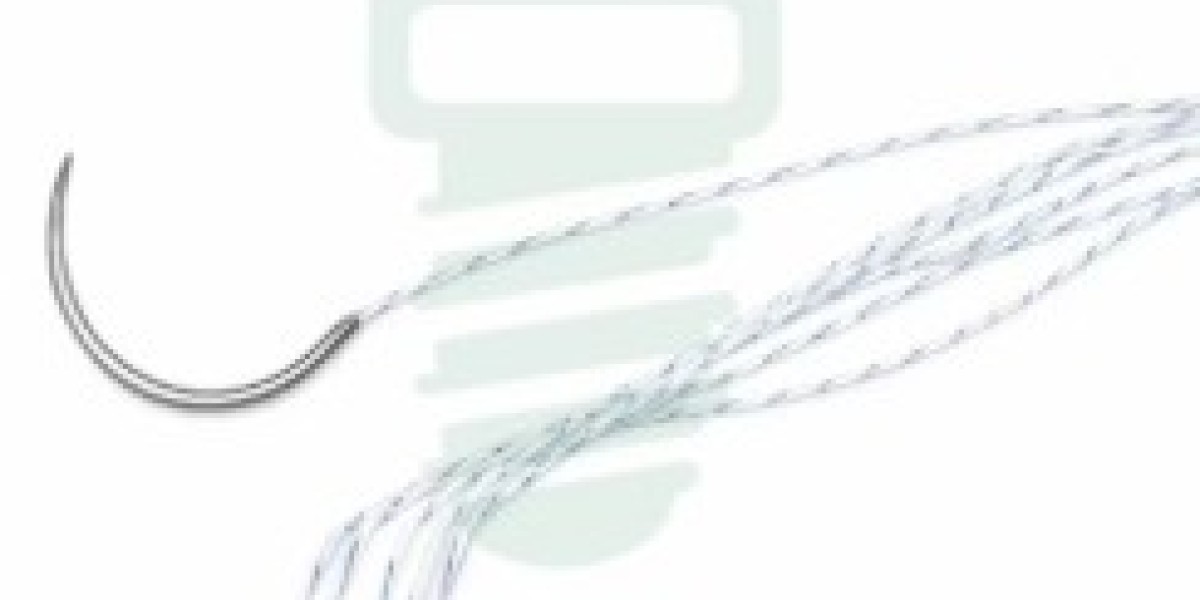
Surgical Suture Energybraid refers to a braided surgical suture designed to provide mechanical support during tissue repair and closure. Unlike monofilament sutures, which consist of a single strand, braided sutures are constructed from multiple filaments woven together.
This braided structure can influence several performance characteristics, including flexibility, knot security, handling, and tensile strength. Depending on the specific material and manufacturing design, braided sutures may be suitable for procedures where reliable approximation and secure knot placement are important.
When evaluating a product such as Surgical Suture Energybraid, surgeons and healthcare facilities should consider the manufacturer's specifications, intended use, suture size, material composition, and applicable regulatory requirements.
Materials Used in Surgical Sutures
The material used to manufacture a surgical suture significantly influences its performance. Common suture materials can be classified as absorbable or nonabsorbable.
Absorbable Materials
Absorbable sutures are designed to gradually lose their mechanical strength and break down within the body over a specified period. They are commonly selected when long term removal of the suture is unnecessary.
The absorption rate depends on factors such as material composition, suture construction, tissue environment, and manufacturing technology. Different absorbable materials can therefore provide different support profiles.
Nonabsorbable Materials
Nonabsorbable sutures are designed to maintain mechanical support for longer periods and generally remain in the body unless they are removed. They can be useful when prolonged tissue support is required.
Materials used in nonabsorbable sutures may include various synthetic polymers. The selection depends on the surgical application and the required mechanical characteristics.
Braided Suture Design
The design of a braided suture is an important factor in its handling and performance. Multiple filaments are interwoven to form a unified strand, creating a structure that differs from a conventional monofilament suture.
One potential advantage of braided construction is flexibility. A flexible suture can be easier to manipulate during procedures that require precise placement or multiple passes through tissue.
Braided construction may also contribute to knot security because the textured surface can provide increased interaction between suture strands. However, the characteristics of individual products vary, so knot performance should always be evaluated according to the manufacturer's instructions and clinical requirements.
Key Characteristics of Surgical Suture Energybraid
Several characteristics may be considered when evaluating Surgical Suture Energybraid or similar braided suture products.
Tensile Strength
Tensile strength refers to the ability of a suture to withstand pulling forces before breaking. Adequate tensile strength is important because the suture may need to maintain tissue approximation during the early stages of healing.
Flexibility
Flexible sutures can be easier to manipulate during surgery. This can be particularly useful when working in areas where precise placement and controlled needle movement are required.
Knot Security
Knot security describes how effectively a tied suture maintains its position. Suture construction, surface characteristics, material, knot technique, and the number of throws can all influence knot performance.
Handling
Good handling characteristics can help surgeons place sutures efficiently and accurately. Factors such as stiffness, memory, flexibility, and surface texture may influence the overall handling experience.
Tissue Interaction
The interaction between a suture and surrounding tissue is another important consideration. Suture selection should account for the type of tissue, healing characteristics, required support period, and the properties of the specific suture material.
Potential Applications
Braided surgical sutures can be used across a variety of surgical specialties, depending on their material, size, configuration, and approved indications.
Soft Tissue Repair
Surgical sutures are commonly used for soft tissue approximation and closure. Depending on the product's specifications, braided sutures may be considered for procedures where controlled handling and secure knot placement are required.
Orthopedic Procedures
Certain high strength suture designs are used in orthopedic and sports medicine procedures where mechanical support is needed during tissue repair. Applications can include procedures involving tendons, ligaments, or other musculoskeletal structures, provided the specific product is indicated for that use.
General Surgery
Sutures are fundamental tools in general surgery for wound closure and tissue approximation. The appropriate suture depends on the surgical site, tissue characteristics, expected healing time, and surgeon preference.
Specialized Surgical Procedures
Some braided suture products may also be designed for specialized applications. In these situations, healthcare professionals should review the product's technical documentation to determine whether it is suitable for the intended procedure.
Factors to Consider When Selecting a Surgical Suture
Choosing an appropriate surgical suture requires consideration of several factors rather than focusing on a single performance characteristic.
Tissue type: Different tissues require different levels and durations of mechanical support.
Healing period: The expected healing timeline can influence whether an absorbable or nonabsorbable suture is appropriate.
Suture size: Suture diameter should be selected according to the procedure and tissue requirements.
Strength requirements: Procedures involving higher mechanical loads may require a suture with appropriate tensile strength.
Handling characteristics: Surgeons may consider flexibility, knot security, and ease of manipulation.
Clinical indication: The product must be appropriate for its intended application and used according to its labeling and instructions.
Importance of Proper Surgical Suture Handling
Even a well designed surgical suture requires appropriate handling. Excessive tension, inappropriate knotting, contamination, or improper storage can affect performance.
Medical professionals should follow the manufacturer's instructions for storage, handling, sterilization status, and clinical use. Sutures should also be inspected before use to ensure the packaging is intact and the product has not been compromised.
Proper surgical technique remains an important component of successful wound closure and tissue repair. A suture is one part of a broader clinical process that also involves patient factors, tissue condition, surgical technique, and postoperative care.
Surgical Suture Energybraid and Modern Medical Manufacturing
Advances in medical manufacturing have allowed suture designs to become increasingly specialized. Manufacturers can engineer braided structures, material properties, and configurations to meet different surgical requirements.
Companies such as offer medical and surgical product solutions for professional healthcare environments. When considering any surgical suture product, healthcare organizations should review technical specifications and verify that the product is appropriate for the intended clinical application.
Product documentation can provide important information about material composition, sizes, indications, sterilization method, packaging, and other relevant characteristics.
Conclusion
Surgical Suture Energybraid represents a braided suture design that can offer characteristics such as flexibility, handling, tensile performance, and knot security, depending on its specific material and construction. These characteristics make braided sutures useful across various surgical applications where reliable tissue approximation and mechanical support are required.
However, selecting a surgical suture should always be based on the specific clinical situation, tissue characteristics, required support period, product specifications, and approved indications. Healthcare professionals should consult the manufacturer's documentation and applicable clinical guidelines before using a suture in a medical procedure.
As surgical technology continues to advance, developments in suture materials and braided designs may provide healthcare professionals with increasingly specialized options for tissue repair and closure.