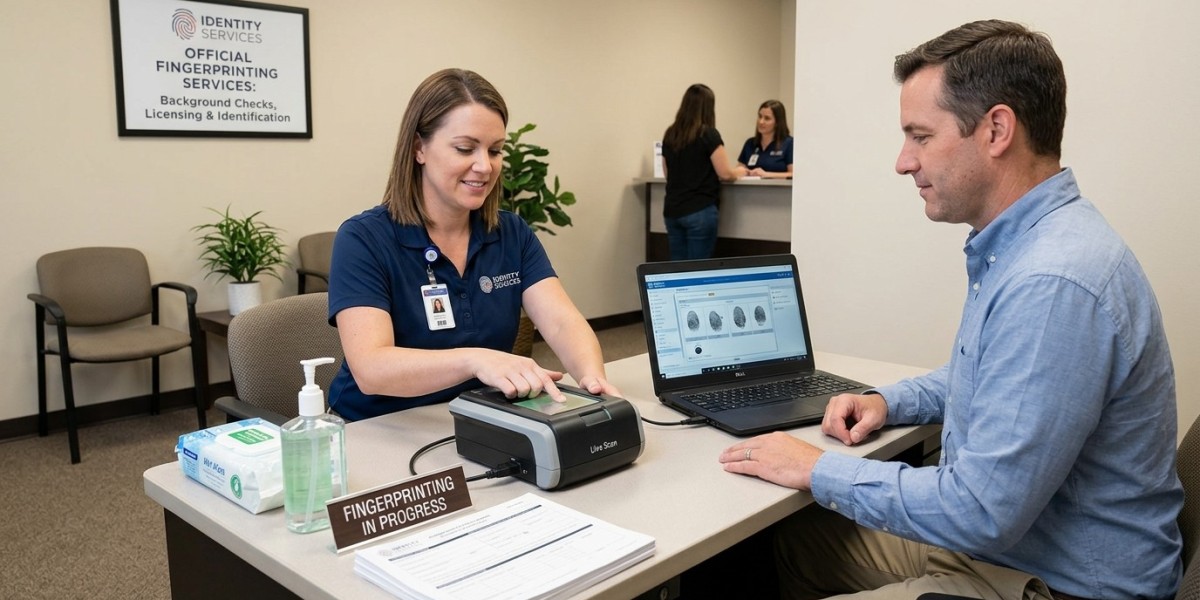

It is understanding which fingerprinting method is required, which form to use, where the fingerprints need to go, whether a digital submission is acceptable, and what happens after the appointment. That is why choosing a professional FBI Fingerprinting Service in Elizabeth NJ can make the process easier to understand and complete correctly. NJ Fingerprints - Elizabeth provides fingerprinting support for individuals who need professional fingerprint services in Elizabeth and the surrounding New Jersey area. The right fingerprinting method depends on the organization requesting your background check, so applicants should always follow the official instructions provided by an employer, licensing authority, government agency, immigration authority, or other requesting organization. The FBI itself explains that its official personal record product is called an Identity History Summary Check and that fingerprint impressions are required to establish positive identification before information is released.
Why FBI Fingerprinting Matters
Imagine a professional named Sarah who has spent months completing the requirements for a new career. She has passed her examination, submitted her application, gathered employment documents, and received a message saying one final requirement remains: an FBI background check. Sarah searches online and finds several fingerprinting options. Some offer ink cards. Others offer electronic fingerprinting. Another provider advertises mobile service. Suddenly, a task that seemed simple becomes confusing. Which service does she actually need? The answer depends on the agency requesting the check. An FBI Fingerprinting Service in Elizabeth NJ can help with the fingerprint-capture portion of the process, but the applicant must still provide the correct instructions and understand the destination of the fingerprints. This distinction is important because an FBI Identity History Summary requested directly by an individual is not necessarily the same process as a state licensing or employment background check that includes an FBI search.
What Is an FBI Identity History Summary?
The FBI calls its official personal criminal-history product an Identity History Summary Check. It is commonly referred to as a criminal history record, police background clearance, or “rap sheet.” The FBI explains that the summary contains certain information taken from fingerprint submissions retained by the FBI in connection with arrests and, in some circumstances, federal employment, naturalization, or military service. It is important to understand what this means. An FBI Identity History Summary is not simply a search of a person's name across every database in the United States. The FBI uses fingerprint-based identification to connect records to the correct individual. That biometric connection is one reason fingerprints are central to the process.
Why Fingerprints Are Used Instead of Names Alone
Names are not unique. Thousands of people can share the same first and last name. Even dates of birth can be shared by different individuals. Addresses change, people move between states, and names can change through marriage or other legal processes. Fingerprints provide a biometric identifier that helps distinguish one person from another. The FBI has relied on fingerprints for identification for more than a century. Its Identification Division was established in 1924, and the agency eventually transformed its paper-based fingerprint records into computerized systems. This history demonstrates why fingerprinting remains such an important part of identity verification and criminal-history processing.
From Ink Cards to Modern Digital Fingerprinting
The fingerprinting process has changed dramatically over time. Decades ago, fingerprint identification depended heavily on ink, paper cards, filing systems, and manual comparison. The FBI explains that in 1999, its Integrated Automated Fingerprint Identification System, or IAFIS, brought computerized fingerprint identification into operation. In 2011, the agency deployed the Next Generation Identification system, further expanding biometric identification capabilities. What once required large physical archives and extensive manual searching can now be handled through sophisticated electronic systems. The FBI reported in 2024 that digital fingerprint comparisons could often receive responses within seconds once the request reaches the appropriate computerized system. That does not mean every FBI background check is completed instantly, but it illustrates how technology has transformed fingerprint processing.
FBI Fingerprinting Is Not Always the Same as New Jersey Background Screening
This is one of the most important concepts for New Jersey applicants. A person may be told, “You need an FBI background check,” but the actual process may involve a New Jersey State Police fingerprint submission, an FBI check, or both. For example, New Jersey's Department of Health explains that applicants requiring fingerprint-based criminal-history checks are given a fingerprint form by the program requiring the screening and then schedule fingerprinting through the vendor designated by the New Jersey State Police. The submitted fingerprints can be checked against New Jersey State Police and FBI criminal-history records. Therefore, before scheduling an FBI Fingerprinting Service in Elizabeth NJ, applicants should determine exactly which organization is requesting the fingerprints and which submission process it requires.
When You May Need FBI Fingerprinting
Fingerprint-based background checks can appear in many different situations. Professional licensing is one common example. Certain healthcare, education, childcare, government, security, financial, and regulated positions may require fingerprint-based screening. Immigration-related processes can also involve FBI records. Some international employment or residency applications may require an FBI Identity History Summary. Adoption procedures can involve federal background information as well. The FBI lists foreign employment, travel, adoption, U.S. employment or licensing in certain circumstances, and other purposes among situations where an Identity History Summary may be relevant. The exact requirement depends on the agency or organization involved.
Professional Licensing and Fingerprint Requirements
A professional license can represent years of education and training. The final fingerprint requirement may feel like a small administrative step, but an incorrect submission can create delays. Applicants should carefully review the licensing instructions before scheduling. The form may identify the required agency, purpose, codes, and fingerprinting procedure. In New Jersey, the Department of Health explains that applicants receive a fingerprint form from the program requiring the submission and must enter information exactly as provided. This is why applicants should bring their paperwork instead of relying on memory.
Healthcare Professionals and FBI Background Checks
Healthcare workers often encounter detailed background-screening requirements because their roles may involve direct contact with patients and vulnerable populations. Nurses, healthcare aides, technicians, administrators, and other professionals may encounter fingerprint requirements depending on their licensing or employment situation. New Jersey's Department of Health uses fingerprint submissions as part of criminal-history background checks for applicable programs. Applicants should follow the exact instructions provided by the licensing board or employer because different healthcare programs can have different codes and requirements.
Education and School Employment
Teachers, school employees, contractors, and other individuals working in educational environments may encounter fingerprint-based criminal-history screening. New Jersey's Department of Education operates a criminal-history record check process for certain applicants seeking positions in public schools, private schools for students with disabilities, charter schools, nonpublic schools, and authorized vendors or school bus contractors. The state explains that these checks involve the New Jersey State Police and the FBI. If you are completing a school-related background check, use the exact application instructions provided by the New Jersey Department of Education or your employer.
Government and Federal Employment
Certain government-related positions may require fingerprint-based background screening. The exact requirements vary according to the agency and position. A federal employer may provide its own fingerprinting instructions, while another organization may direct the applicant through an approved vendor or state process. Applicants should not assume that an ordinary personal FBI Identity History Summary automatically satisfies an employer's federal background investigation. The requesting agency's instructions control.
Immigration and International Applications
People moving internationally may encounter FBI fingerprint requirements for visas, residency, employment, or other official purposes. The FBI states that an Identity History Summary may be used to satisfy requirements to live, work, or travel in a foreign country. International applications can become more complicated because the receiving country may require authentication, apostille, translation, specific document dates, or other formalities. Obtaining fingerprints is only one part of the process. Applicants should determine all document requirements before beginning.
FBI Background Checks for Adoption
Adoption can involve extensive background screening because agencies need to evaluate prospective adoptive parents under applicable laws and procedures. Depending on the adoption type and jurisdiction, fingerprint-based background information may be required. The FBI identifies adoption among circumstances in which Identity History Summary information may be relevant. Families should follow the instructions provided by their adoption agency, attorney, or government authority because requirements can differ.
Personal FBI Record Requests
Not every FBI fingerprint request comes from an employer. An individual may want to request their own Identity History Summary to review what information the FBI maintains. The FBI states that fingerprints are required for this process because they establish positive identification. A person may request their own record for personal review, international purposes, or another authorized reason. The personal FBI process should not be confused with an employer's background-check process.
What Happens During an FBI Fingerprinting Appointment?
A professional fingerprint appointment is generally straightforward. First, the provider verifies the applicant's identification and reviews the required information. Next, fingerprints are captured using the appropriate method. If the prints are being collected electronically, a LiveScan or similar approved scanner may capture the images. If a hard card is required, the fingerprints may be placed on the appropriate card. The technician checks the quality of the impressions and may recapture fingerprints when necessary. The completed information is then handled according to the required submission process. The exact procedure depends on the purpose of the request.
Why Fingerprint Quality Matters
A fingerprint system needs clear ridge detail to make a useful comparison. Dry skin, excessive moisture, worn fingerprints, injuries, scars, or other conditions can sometimes make capture more difficult. The FBI specifically addresses continuously rejected fingerprints and recommends that applicants have multiple sets taken, preferably by a fingerprinting technician. This is one reason professional fingerprinting can be useful. A trained technician can evaluate the impressions while the applicant is present rather than discovering a problem after the applicant has already left.
What If Your Fingerprints Are Rejected?
A rejected fingerprint submission does not automatically mean that there is a problem with your background. It may simply mean that the fingerprint images were not sufficiently clear or usable. The FBI advises applicants whose fingerprints are continuously rejected to obtain multiple sets, preferably through a fingerprinting technician. If your fingerprints are rejected, follow the instructions provided by the requesting agency. You may need to submit another set or follow a special procedure depending on the circumstances.
Older Adults May Need Additional Fingerprint Attention
Fingerprint ridge detail can sometimes become harder to capture with age. Dry skin and changes in skin texture may affect the quality of an electronic impression. This does not mean older adults cannot be fingerprinted. It simply means the technician may need additional patience or repeated captures. Applicants who have experienced fingerprint rejection in the past should mention it before the appointment.
Workers With Worn Fingerprints
People whose jobs involve frequent manual labor may sometimes have fingerprints that are more difficult to capture. Construction workers, mechanics, cleaners, manufacturing employees, and others who regularly expose their hands to friction or harsh environments may experience changes in ridge detail. A professional technician can attempt appropriate capture methods and determine whether additional impressions are needed.
What Identification Should You Bring?
Applicants should bring the identification specified by the fingerprinting provider and requesting organization. A government-issued photo ID is commonly required. The exact acceptable documents can vary depending on the process. The FBI explains that fingerprinting for an Identity History Summary can be performed through participating locations or other approved processes, while state programs may impose their own identification requirements. If your employer or licensing agency provided a form, bring it with you. Do not assume that a photocopy or an expired document will be accepted.
Why Your Fingerprinting Form Matters
The form is often more important than applicants realize. It may contain the agency information, purpose of the background check, identifying codes, and other details needed to route or process the submission. New Jersey's Department of Health warns that applicants must enter information in the required fields exactly as it appears on their fingerprint form or they may have to make a second trip and could incur additional costs. Before leaving home, check the form carefully.
What Is an ORI?
An Originating Agency Identifier, commonly called an ORI, is used in many fingerprinting systems to identify the agency receiving the results and the purpose of the submission. New Jersey fingerprinting programs provide applicants with the correct codes on the fingerprint form. The ORI is not something applicants should casually guess. Using the wrong code can direct the transaction incorrectly or require additional steps. Always use the information provided by the organization requesting your background check.
Why Entering Codes Correctly Matters
Imagine two people applying for fingerprints on the same afternoon. One is applying for a healthcare position, while the other is applying for an education-related position. Both may need state and federal criminal-history checks, but their programs can use different codes and destinations. A technician can capture both people's fingerprints correctly while the administrative information sends the submissions through different channels. That is why accurate forms and codes are essential.
Digital Fingerprinting and LiveScan
LiveScan refers broadly to electronic fingerprint capture and submission technology. New Jersey's official materials explain that applicants required to submit fingerprints for certain noncriminal purposes use the state-approved vendor and that fingerprints are captured electronically. New Jersey State Police states that LiveScan technology has reduced the older ink-and-roll-card process and allows fingerprints to be electronically captured for state and federal checks. This electronic approach can reduce manual handling and improve the efficiency of fingerprint submission.
Electronic Fingerprinting Does Not Always Mean Direct FBI Submission
This is another important distinction. A fingerprint can be captured electronically but still be routed through a state licensing or employment system rather than directly to the FBI as a personal Identity History Summary request. The organization requesting the background check determines the submission route. For example, New Jersey's Department of Health explains that fingerprints are captured through the state-approved vendor and checked against both New Jersey State Police and FBI records for applicable background checks. Applicants should therefore ask what system their fingerprints are being submitted through if they are unsure.
Fingerprint Cards Still Matter
Although digital fingerprinting has become common, physical fingerprint cards have not disappeared. Some federal, state, international, and out-of-state applications still require a hard card. The FBI confirms that it accepts certain fingerprint cards, including the FD-1164, and its FD-258 is a standard federal fingerprint card used for various purposes. The specific card required depends on the organization requesting the fingerprints. Do not assume that any fingerprint card can be substituted for another.
What Is an FD-258 Fingerprint Card?
The FD-258 is a federal fingerprint card containing spaces for personal identifying information, agency information, reason fingerprinted, and individual fingerprint impressions. The FBI publishes the current FD-258 form and identifies fields such as name, aliases, date of birth, place of birth, citizenship, residence, employer, reason fingerprinted, ORI, and fingerprint impressions. If your organization specifically requests an FD-258, make sure you use the required version and complete it according to the instructions.
What Is an FD-1164?
The FBI also accepts the FD-1164 fingerprint card for Identity History Summary requests. The FBI states that the FD-1164 can be printed on standard white paper, although a fingerprinting agency may use a standard card-stock version. Again, the important issue is following the requirements for your specific application.
Can Digital Fingerprints Be Printed Onto a Card?
Depending on the provider and process, electronic fingerprints can be used to produce a physical fingerprint card. This can be useful when an organization requires a hard card but the applicant prefers professional electronic capture. The exact service should be confirmed before booking because not every fingerprinting provider offers the same equipment or card-printing capability.
Why You Should Not Reuse an Old FBI Fingerprint Card
Applicants sometimes assume they can use a fingerprint card from a previous FBI request. The FBI specifically states that a fingerprint card used for a previous Identity History Summary cannot simply be reused; a current fingerprint card is required for a new request. This makes sense because identity information, dates, signatures, and fingerprint conditions can change.
FBI Fingerprinting and Background Check Results
The fingerprint technician does not decide whether a person “passes” an FBI background check. The technician's job is to capture and submit the fingerprints correctly. The FBI or appropriate state agency processes the information. An employer, licensing board, immigration authority, or other organization may then make its own decision based on the results and applicable requirements. Applicants should never expect a fingerprinting company to guarantee approval.
A Fingerprinting Appointment Does Not Guarantee a License
Suppose a nurse completes fingerprinting successfully. That does not mean the nursing license is automatically approved. The licensing board may still need to verify education, examination results, application information, disciplinary history, or other requirements. Similarly, completing fingerprints for employment does not guarantee a job offer. Fingerprinting is one step in a larger process.
How Long Does an FBI Background Check Take?
Turnaround depends on the type of request and how the fingerprints are submitted. The FBI states that electronic requests should generally be processed faster upon receipt than mailed requests, but it does not offer an expedited handling procedure for Identity History Summary checks. Requests are processed in the order received. This means applicants should avoid assuming that an appointment today guarantees a completed background check tomorrow.
Electronic Processing Can Be Faster, but It Is Not Instant
The FBI's technology has dramatically improved processing speed. The agency reported that modern digital fingerprint comparisons can return responses within seconds once the comparison reaches the appropriate system. But an applicant's complete background-check timeline includes more than the fingerprint comparison itself. There may be enrollment, transmission, agency review, record matching, licensing review, or other administrative steps. Electronic submission removes some physical delays but does not eliminate the entire process.
FBI-Approved Channelers
For certain personal Identity History Summary requests, the FBI maintains a list of approved channelers. The FBI explains that approved channelers receive fingerprint submissions and relevant information, electronically forward them to the FBI's Criminal Justice Information Services Division, and receive the electronic result for delivery to the individual. This is different from simply having fingerprints captured at a local fingerprinting business. Applicants should understand who is responsible for the federal submission when using a channeler-based process.
Direct FBI Requests and Employment Requests Can Differ
The FBI cautions that an individual requesting an Identity History Summary for personal purposes follows a specific process, while employment or licensing requests in the United States may need to go through a state identification bureau, requesting federal agency, or authorized channeler. This distinction can prevent a common mistake: ordering a personal FBI record when an employer actually wanted a state-administered fingerprint background check.
Why Applicants Should Read the Request Carefully
The wording on your instructions can tell you what process you need. Look for terms such as FBI Identity History Summary, criminal-history record check, LiveScan, fingerprint card, FD-258, FD-1164, ORI, OCA, agency code, state police, licensing board, or authorized channeler. If the wording is unclear, contact the organization that issued the instructions. A five-minute clarification can save a second appointment and weeks of delay.
New Jersey Uses Approved Fingerprinting Vendors
New Jersey's official agencies identify an approved fingerprinting vendor for certain noncriminal-justice fingerprint submissions. The Department of Health states that applicants who are required to submit fingerprints for noncriminal purposes and who reside or work in New Jersey, or within 20 miles of the state border, must submit fingerprints through the vendor approved by the New Jersey State Police. New Jersey State Police likewise directs applicants to its designated vendor for applicant and noncriminal fingerprinting. Applicants should follow the vendor instructions associated with their specific state program.
What About Mobile Fingerprinting?
Mobile fingerprinting can be convenient for people who cannot easily travel to an office or for organizations that need to fingerprint multiple employees. Businesses may schedule group sessions at a workplace, reducing the need for each employee to arrange an individual appointment. Whether mobile fingerprinting is available and whether it satisfies the particular FBI or New Jersey process should be confirmed before scheduling.
Corporate and Group Fingerprinting
Imagine an Elizabeth company onboarding fifteen employees who all require background screening. Sending each person to separate appointments can create scheduling problems. A coordinated group fingerprinting session may make the process more organized. Employees can receive the same instructions, bring the required identification, and complete their fingerprinting within a planned window. Organizations should still verify that the chosen provider and submission method meet the requirements of the agency requesting the background checks.
Preparing for Your Appointment
The best fingerprinting appointment begins before you arrive. Read the instructions carefully. Confirm whether you need electronic fingerprints or a physical card. Obtain the correct agency codes. Bring valid identification. Bring your fingerprint form. Confirm the payment method. If the process requires a photograph, bring or arrange for the required photo according to the instructions. If you have previously experienced fingerprint rejection, mention it to the technician. Good preparation reduces avoidable problems.
What to Do Before the Appointment
Keep your hands reasonably clean and dry. Avoid excessive substances on the fingertips immediately before scanning. If your skin is extremely dry, normal moisturizing in advance may help, but avoid arriving with heavy lotion on your fingers. Do not attempt to alter your fingerprints. The goal is to capture the natural ridge detail as clearly as possible.
What Happens if You Have a Cut on Your Finger?
A fresh cut, burn, abrasion, or other injury can make fingerprint capture more difficult. If an injury is temporary, the applicant may need to follow the instructions of the requesting agency about whether to wait or proceed. A technician can determine whether usable impressions can be captured, but they cannot change the agency's requirements. If your deadline is approaching, contact the requesting organization before postponing the appointment.
Keep Your Receipt
Your receipt may contain important transaction information. Depending on the fingerprinting process, it can include a transaction number or other reference information that may be useful when checking status or contacting the provider. Do not discard it immediately. Keep your fingerprinting documentation until the employer, licensing board, or other requesting organization confirms that the requirement has been completed.
What Is a Transaction Control Number?
A Transaction Control Number, or TCN, is commonly associated with electronic fingerprint transactions. It can help identify a specific submission. In New Jersey's fingerprinting systems, transaction information may be useful for status inquiries depending on the program. Applicants should keep all documentation provided after fingerprinting and follow the status instructions associated with their particular application.
What if Your Name Has Changed?
If your legal name differs from the name on older documents, tell the fingerprinting provider and follow the instructions on the application. Federal fingerprint cards can include aliases or other names used by the applicant. The FD-258 includes an “Aliases” field for this purpose. Accurate identifying information helps ensure that the fingerprint record is connected to the correct application.
What if You Have a Criminal Record?
A fingerprinting technician is not the person who determines what appears in an FBI record. If the FBI or another authorized agency identifies a record, the receiving organization applies its own rules. Some applicants worry that a past arrest or conviction automatically means they cannot obtain employment or a professional license. That is not necessarily true because eligibility standards vary significantly by profession, agency, jurisdiction, offense, timing, and other factors. Applicants should consult the organization making the decision or a qualified attorney when legal interpretation is needed.
What if You Believe the FBI Record Is Wrong?
The FBI provides a process for challenging information that an individual believes is inaccurate or incomplete. The FBI states that a challenge should clearly identify the disputed information and include available supporting documentation. A fingerprinting provider does not normally decide whether FBI records are accurate. The challenge process belongs to the appropriate federal or state authority.
Fingerprinting Privacy Matters
Fingerprints are sensitive biometric information. Applicants should know why their fingerprints are being collected, which organization is requesting them, and where the information is going. New Jersey's official fingerprinting requirements address applicant information, electronic capture, and state and federal criminal-history processing. Use legitimate providers and follow official instructions. Avoid sending sensitive biometric or identifying information to unknown websites or individuals simply because they promise faster results.
Do Not Share Sensitive Information Casually
Social Security numbers, passport information, driver's license details, and fingerprint records should be treated carefully. Provide them only through legitimate channels required for the application. If an unknown person contacts you requesting copies of your fingerprint documents or identity information, verify the request before responding.
Choosing an FBI Fingerprinting Service in Elizabeth NJ
When selecting a fingerprinting provider, look beyond the word “fingerprinting.” Ask whether the provider can handle the exact type of service you need. Do they offer electronic fingerprint capture? Can they provide the fingerprint card required by your organization? Are they familiar with the form you were given? Can they explain what information you need to bring? Do they provide appointment scheduling that fits your deadline? If mobile service is needed, is it available? These questions help ensure that the provider matches the actual requirements of your application.
Why Local Convenience Matters
For Elizabeth residents, a local fingerprinting provider can make the process easier to schedule and complete. Instead of traveling far from home or work, applicants can look for a service within the community. This can be especially useful when fingerprints need to be captured again because the first submission was rejected or when an organization requires multiple employees to complete the process.
NJ Fingerprints - Elizabeth
NJ Fingerprints - Elizabeth provides professional fingerprinting services for customers in Elizabeth and the surrounding area. For applicants seeking an FBI Fingerprinting Service in Elizabeth NJ, the important first step is to identify the exact fingerprinting requirement before the appointment. Whether the request involves an FBI fingerprint card, an electronic fingerprint process, professional licensing, employment screening, or another authorized background-check purpose, applicants should bring the instructions supplied by the organization requesting the fingerprints. The provider can then work from those instructions to determine the appropriate capture process.
Why the Right Fingerprinting Service Can Save Time
A fingerprinting appointment may be quick, but correcting an incorrect submission can take much longer. A wrong agency code, incorrect form, missing identification, unsuitable card, or incomplete information can create delays. New Jersey's Department of Health explicitly warns that incorrect information on the fingerprint form can result in the need for another trip and additional costs. Careful preparation is therefore one of the easiest ways to make the process smoother.
FBI Fingerprinting for Busy Professionals
People applying for new jobs or licenses are often balancing work, family, and deadlines. A professional fingerprinting appointment can help reduce the administrative burden. Applicants can prepare their documents beforehand, schedule an appointment, complete the fingerprint capture, and keep their receipt for future reference. The actual fingerprinting may be one of the simplest steps in a much larger application process.
FBI Fingerprinting for Employers
Employers can also benefit from organized fingerprinting support. When several new hires require background checks, consistency matters. Each applicant needs the correct form, identification, codes, and submission method. A coordinated fingerprinting process can help reduce confusion and keep onboarding moving. Employers should confirm the requirements of their industry and the relevant New Jersey or federal agency before selecting a fingerprinting workflow.
The Difference Between Fingerprinting and a Background Investigation
Fingerprinting is one component of some background-check processes. A full background investigation may involve employment history, education verification, references, financial information where legally appropriate, interviews, database searches, or security investigations. An FBI Identity History Summary itself is specifically based on fingerprint-linked records. A local fingerprinting provider should therefore not be presented as conducting every type of background investigation simply because it captures fingerprints.
Why Accuracy Beats Speed
People often search for the “fastest” FBI fingerprinting service because they have a deadline. Speed is useful, but accuracy is more important. A fast appointment with incorrect information may create a much longer delay than a carefully prepared appointment. The FBI's own process emphasizes positive identification through fingerprints, while New Jersey agencies emphasize entering required information exactly as provided on the fingerprint form. The best fingerprinting experience combines convenience with careful attention to detail.
Common Fingerprinting Mistakes to Avoid
One of the most common mistakes is arriving without the required form. Another is using an outdated fingerprint card. Some applicants guess the agency code. Others bring a photocopy of identification when an original document is required. Some assume a Florida, New York, or Pennsylvania fingerprinting process is interchangeable with a New Jersey process. Others order a personal FBI Identity History Summary when their employer actually needs a state-administered background check. The solution is simple: follow the exact instructions from the requesting organization.
Do Not Assume Every FBI Check Is Identical
The phrase “FBI background check” covers several different situations. A person may request their own Identity History Summary. A state licensing board may request a fingerprint-based national criminal-history check. A federal agency may have its own process. An international authority may require an FBI record with additional authentication. These are related but not identical. A professional fingerprinting provider can help with the capture step, but the applicant must know the intended purpose.
A Simple Step-by-Step Fingerprinting Plan
Start by identifying who requested the background check. Next, read the instructions and determine whether the process requires LiveScan, an FBI fingerprint card, a New Jersey State Police submission, or another method. Obtain the correct form and agency codes. Schedule your appointment with an appropriate provider. Bring valid identification and all required paperwork. Complete the fingerprint capture carefully. Review the information before leaving. Keep your receipt and transaction information. Finally, follow up with the requesting organization if you need confirmation of receipt or completion.
Final Thoughts: Make FBI Fingerprinting the Easy Part of Your Application
An FBI Fingerprinting Service in Elizabeth NJ can be an important resource when a job, license, government application, immigration process, adoption requirement, or other official procedure depends on fingerprint-based identification. The technology behind fingerprinting has evolved from paper cards and manual filing systems into sophisticated computerized biometric systems. The FBI's history shows that fingerprints have been central to federal identification since the creation of its Identification Division in 1924, while modern systems now allow digital fingerprint information to be processed far more efficiently than the paper-based systems of the past. At the same time, applicants should remember that electronic technology does not eliminate the need for careful preparation. The correct form, agency code, fingerprint method, identification, and submission route still matter. New Jersey's official guidance specifically warns applicants to enter fingerprint-form information exactly as provided, while the FBI emphasizes the importance of clear fingerprints for positive identification. For individuals in Elizabeth, NJ Fingerprints - Elizabeth provides a local option for professional fingerprinting support. The smartest approach is to arrive prepared, understand what the requesting organization actually needs, and keep your transaction documentation until the background-check requirement has been completed. A fingerprint appointment may seem like a small administrative task, but it can stand between an applicant and an important next step. When the process is handled carefully from the beginning, that small step can become exactly what it should be: straightforward, organized, and one step closer to your goal.