
Dental splints can play an important role in protecting teeth, supporting the jaw and managing certain dental concerns. However, not every splint is made from the same material or designed for the same purpose. A nylon splint is one option that may be considered depending on a patient’s individual needs, oral health and treatment goals.
What Is a Nylon Splint?
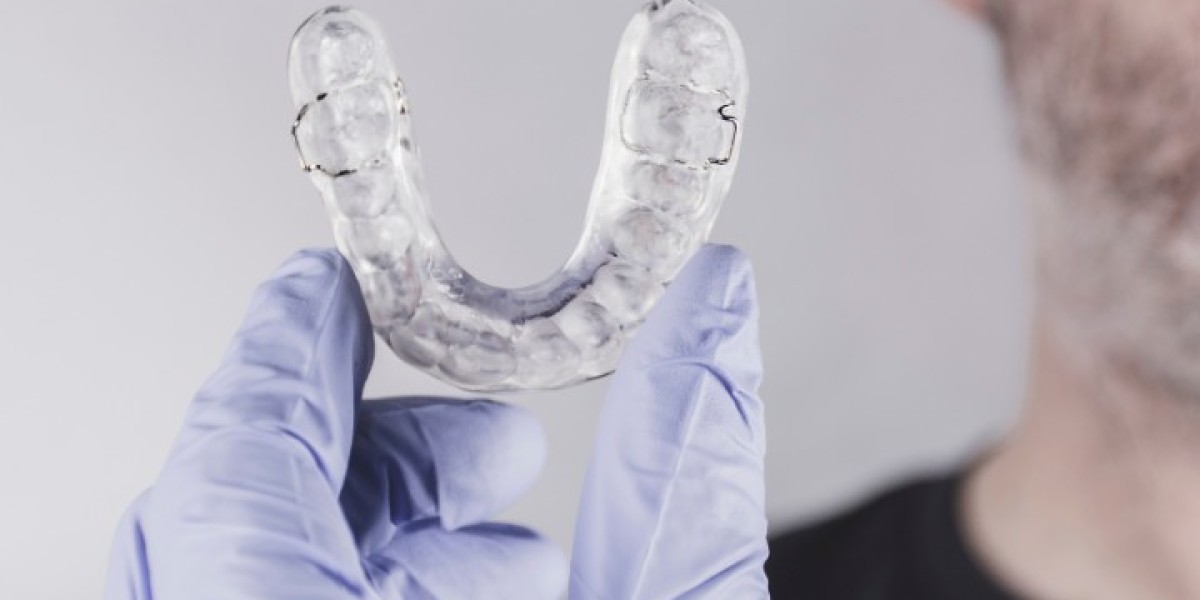
A nylon splint is a dental appliance made from a flexible, durable thermoplastic material. It can be designed to fit comfortably over the teeth and may be used for different dental applications, including protecting teeth from excessive forces.
Unlike some rigid appliances, nylon can offer a degree of flexibility. This may make it suitable for patients who need an appliance that feels less rigid while still providing support.
How Does a Nylon Splint Work?
The appliance is custom designed to fit the patient’s mouth. Depending on its intended purpose, it may help distribute pressure across the teeth, reduce excessive contact or provide additional support.
A dentist will assess the teeth, bite and overall oral health before determining whether this type of appliance is appropriate.
Nylon Splint vs Other Dental Splint Options
There are several types of dental splints available, and the right option depends on why the appliance is required.
Nylon Splints vs Hard Acrylic Splints
Hard acrylic splints are generally more rigid than nylon appliances. They may be selected when a dentist requires a firm appliance with precise control over the bite.
Nylon, on the other hand, provides greater flexibility. This can make it appealing for people looking for a softer-feeling appliance, although suitability varies between patients.
Nylon Splints vs Traditional Night Guards
Night guards are commonly used to help protect teeth from grinding and clenching during sleep. They can be manufactured from different materials, including softer or harder plastics.
The key difference is that a night guard is primarily designed around protecting teeth from the effects of bruxism, whereas a dental splint may have a broader purpose. Your dentist can recommend the most appropriate appliance after assessing your bite and symptoms.
Why Material Matters in Preventive Dental Care
Choosing an appropriate dental appliance is part of maintaining good oral health. Preventive dentistry focuses on reducing the likelihood of dental problems through regular examinations, professional care and personalised prevention strategies.
Protecting Teeth From Excessive Forces
Persistent clenching or grinding can place significant stress on teeth and surrounding structures. An appropriately designed appliance may help manage these forces and protect vulnerable areas.
Supporting Long Term Oral Health
For patients searching for the best dental splint for teeth grinding or wondering which splint is suitable for their bite, professional assessment is essential. A dentist can consider factors such as tooth wear, jaw movement, existing restorations and overall comfort before recommending an option.
Is a Nylon Splint Right for You?
A nylon splint may be suitable for some patients, but it is not automatically the best choice for everyone. The ideal appliance depends on the reason for treatment and the condition of the teeth and bite.
If you are considering a dental splint for grinding, clenching or tooth protection, speak with a dental professional for personalised advice. A proper assessment can help determine whether a nylon appliance or another splint option better suits your needs.
FAQs
Is a nylon splint comfortable to wear?
Nylon is flexible, which can make a custom fitted appliance comfortable for some patients. Comfort also depends on the fit and individual oral anatomy.
Is a nylon splint suitable for teeth grinding?
It may be suitable in some circumstances, but the appropriate appliance depends on the severity of grinding, bite and overall dental health.
How is a nylon splint different from a night guard?
A night guard is generally designed to protect teeth from grinding and clenching, while a dental splint can have different functions depending on its design and purpose.
How do I know which dental splint is best for me?
A dentist can assess your teeth, bite, jaw function and treatment requirements before recommending the most appropriate type of splint.
Can preventive dentistry help protect teeth from grinding?
Preventive dental care can help identify signs of tooth wear and other oral health concerns early. Your dentist can recommend appropriate strategies based on your individual needs.