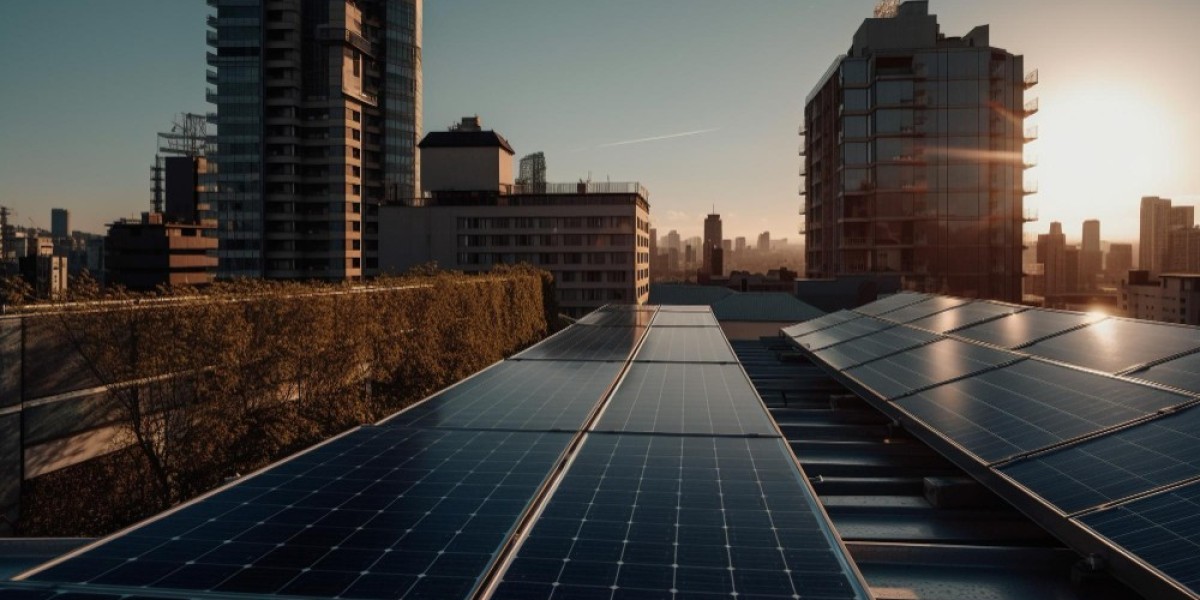

Installing a solar energy system is a significant decision for any Melbourne homeowner. With changing energy needs, rising interest in renewable power and plenty of system options available, taking time to understand your requirements before installation can help you make a confident decision.
Before investing in Solar Panels Melbourne, it is important to ask the right questions about your property, energy usage, system design and installation process. A good conversation with an installer should give you clear answers rather than leaving you with technical terms you do not understand.
Is My Home Suitable for Solar Installation?
The first question to ask is whether your property is suitable for solar. Roof orientation, available space, roof condition, shading from nearby buildings or trees, and the angle of the roof can all affect system performance. Ask for an assessment of your roof and whether any areas may reduce the amount of sunlight reaching the panels.
What System Size Is Suitable for My Energy Needs?
Every household uses electricity differently. Your ideal system should be based on your current electricity consumption, daily usage patterns and future plans. Ask how the recommended system size has been determined and whether it can accommodate changes such as working from home, purchasing an electric vehicle or increasing household electricity use.
Which Solar Panel Technology Is Being Recommended?
Solar panels come in different technologies, specifications and efficiency levels. Instead of focusing only on the headline efficiency figure, ask about expected performance, durability and suitability for Melbourne's weather conditions. Understanding the differences can help you select equipment that matches your property's needs.
What Inverter Will Be Used?
The inverter is an important part of a solar system because it converts the electricity generated by the panels into usable power for your home. Ask which type of inverter is recommended and why. You should also understand its monitoring capabilities, expected lifespan, warranty coverage and how easily faults can be identified if an issue occurs.
How Will the System Be Designed for My Roof?
A quality installation should consider more than simply fitting as many panels as possible. Ask how the panels will be positioned and whether shading, roof sections and different orientations have been considered. You can also ask how the design is expected to perform throughout the year rather than only during peak sunlight hours.
What Does the Installation Process Involve?
Understanding the installation process beforehand can make the experience much easier. Ask how long the installation is expected to take, what preparation is required and whether any electrical or roof-related work may be necessary. It is also useful to understand what happens after the physical installation is completed, including system testing and connection requirements.
What Warranties Are Included?
Solar equipment and installation work may have different warranty terms. Ask for the warranty details in writing and clarify what is covered, how long coverage lasts and who you should contact if a problem develops. Knowing these details before installation can prevent confusion later.
How Can I Monitor Solar Performance?
Modern solar systems can often provide performance information through online portals or mobile applications. Ask how you will monitor electricity generation and whether you can identify changes in system performance. Regular monitoring can help you notice potential issues sooner and understand how your system is performing over time.
What Maintenance Will the System Need?
Solar panels generally require limited maintenance, but it is still worth asking what ongoing care is recommended. Find out whether inspections are advised, how panels should be kept clean and what signs could indicate a technical problem. Understanding basic maintenance can help support reliable long-term performance.
What Happens If My Energy Needs Change?
Your electricity requirements may change over the years. Ask whether the system can be expanded or integrated with additional technologies in the future. Planning ahead can make it easier to adapt your solar setup if your household later needs battery storage or additional electricity capacity.
Make an Informed Installation Decision
Choosing a solar system should involve more than comparing equipment specifications. Asking detailed questions about your property, system design, installation, warranties, monitoring and future flexibility can help you understand exactly what you are getting.
A clear discussion before installation gives you the opportunity to compare options confidently and select a solar solution that suits your home's energy requirements and long-term goals.