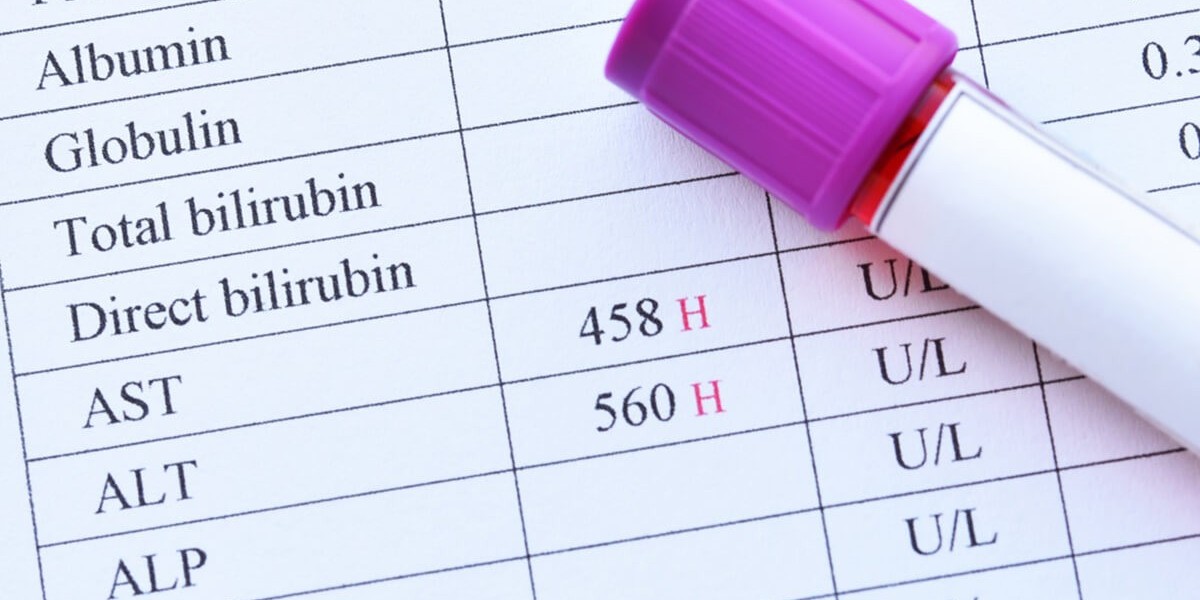

Receiving a blood test report can be confusing, especially when it contains unfamiliar terms, abbreviations, numbers, and reference ranges. One result that often attracts attention is alanine aminotransferase, commonly abbreviated as ALT.
Alanine Aminotransferase Blood Test in Dubai is an enzyme found mainly in liver cells. When liver cells are irritated or injured, ALT can be released into the bloodstream, which may cause the measured level to rise. For this reason, an ALT blood test is frequently included in liver health evaluations.
But an ALT number should never be interpreted on its own.
A result above or below the laboratory range does not automatically mean that you have liver disease. Understanding the reference range, the degree of change, other liver markers, your symptoms, medications, and previous results is essential.
This guide explains how to read an ALT blood test report and what your result may mean.
Start With These Four Parts of Your Report:
Before interpreting the number, locate four important pieces of information on your laboratory report:
Your ALT result
The unit used by the laboratory
The laboratory's reference range
The date of testing
The reference range is particularly important because laboratories may use different testing methods and populations to establish their ranges.
For example, one laboratory may list a different upper limit from another. Therefore, comparing your result with a reference range found online can lead to unnecessary confusion.
Use the range printed on your own report as the starting point.
What ALT Actually Measures?
Alanine aminotransferase (ALT) is an enzyme involved in amino acid metabolism.
Although ALT is found in several tissues, it is particularly associated with the liver. When liver cells are damaged or inflamed, ALT can enter the bloodstream.
This makes ALT useful as a marker of possible liver cell injury.
However, ALT is not a direct measurement of overall liver function. It does not tell you by itself whether your liver can perform every function normally, nor does it determine the amount of liver scarring present.
That distinction is important when reading your report.
How to Read the ALT Reference Range?
Your laboratory report should provide a reference interval, often shown as a lower and upper value.
If your result falls within that interval, it is generally considered within the laboratory's expected range.
If it is above the range, it may be reported as high or abnormal.
A result below the stated range may be described as low.
The word abnormal can sound alarming, but a value outside a reference range is not automatically evidence of disease. Reference intervals are statistical tools, and healthy people can occasionally have results outside them.
Your healthcare professional considers the result alongside the rest of your health information.
What Does a Normal ALT Level Mean?
A normal ALT result is generally reassuring.
It suggests that the amount of ALT detected in your blood is within the laboratory's expected range at the time of testing.
However, a normal ALT does not guarantee that every aspect of liver health is normal.
Some liver conditions can occur without significant ALT elevation. If you have symptoms, risk factors, or other abnormal test results, your doctor may recommend additional evaluation despite a normal ALT.
The key is to avoid treating ALT as a pass-or-fail test for liver health.
What Does a High ALT Level Mean?
An elevated ALT level means that more ALT than expected was detected in the blood.
One possible explanation is liver cell injury or inflammation.
However, elevated ALT can have numerous causes, including:
Fatty liver disease
Viral hepatitis
Alcohol-related liver injury
Certain medications
Some dietary supplements
Other liver disorders
Certain non-liver factors
A high ALT result does not identify the cause by itself.
Your healthcare professional may look at the size and persistence of the elevation, other liver enzymes, your medical history, and possible risk factors.
Does the Number Tell You How Serious the Problem Is?
Not necessarily.
It is tempting to assume that a very high ALT always means severe or permanent liver damage. The relationship is more complicated.
ALT reflects possible liver cell injury, not a direct measurement of liver function or permanent scarring.
For example, acute liver injury can produce a substantial ALT increase, while some chronic liver conditions may cause only modest abnormalities.
This is why the ALT number must be interpreted within the broader clinical picture.
What Does a Low ALT Result Mean?
A low ALT result is generally less concerning than an elevated result.
A slightly low value may simply reflect individual biological variation, age, body composition, or other factors.
In some circumstances, nutritional status or vitamin B6 status may also influence aminotransferase activity.
A low ALT level alone usually does not indicate liver damage.
If your result is unexpectedly low and you have other abnormal findings or significant health concerns, your healthcare professional can determine whether additional evaluation is appropriate.
ALT Should Be Compared With Other Liver Markers:
One of the biggest mistakes people make when reading an ALT report is focusing exclusively on that number.
Doctors often interpret ALT alongside other laboratory markers.
AST:
Aspartate aminotransferase, or AST, is another enzyme that can increase with liver cell injury. Unlike ALT, AST is also found in significant amounts in muscle and other tissues.
Looking at AST and ALT together can provide more context.
Bilirubin:
Bilirubin is produced during the breakdown of red blood cells and is processed by the liver.
An abnormal bilirubin level can occur with several liver, bile duct, and blood-related conditions.
Alkaline Phosphatase:
Alkaline phosphatase, or ALP, can provide information about the liver, bile ducts, and bones.
The pattern of ALT, AST, bilirubin, and ALP can help doctors distinguish between different types of problems.
Albumin:
Albumin is a protein produced by the liver. It provides information related to protein production and overall health.
It is one of several markers that may be considered when assessing liver function.
Why the ALT to AST Pattern Can Matter?
Doctors sometimes consider the relationship between ALT and AST rather than looking at either result separately.
ALT is more closely associated with the liver, whereas AST can originate from multiple tissues.
The relative levels may offer additional clues in certain clinical situations.
However, ratios and patterns should not be self-diagnosed from an online reference chart. Your healthcare professional can interpret them alongside your history and other findings.
Look at Your Previous ALT Results:
A single ALT measurement provides a snapshot.
Previous blood tests can reveal whether your ALT has:
Always been within a similar range
Recently increased
Gradually decreased
Remained elevated
Returned to the expected range
A temporary elevation may have a different significance from a persistent abnormality.
If you have previous laboratory reports, bringing them to your appointment can help your healthcare professional identify meaningful trends.
Why ALT Levels Can Change?
ALT levels can fluctuate for several reasons.
Potential influences include:
Medications: Certain prescription and over-the-counter medicines can affect liver enzymes.
Supplements: Herbal products and dietary supplements can sometimes influence liver health.
Alcohol: Alcohol consumption can affect liver cells and liver enzyme levels.
Metabolic health: Conditions such as obesity, insulin resistance, and type 2 diabetes can be associated with fatty liver disease.
Recent illness: Temporary health problems can sometimes affect laboratory results.
Physical activity: Intense exercise may influence certain blood markers.
This is another reason a single result should not be interpreted in isolation.
ALT and Fatty Liver Disease:
Fatty liver disease is a common reason people may have an abnormal ALT result.
Excess fat accumulation in the liver is often associated with metabolic risk factors such as obesity, diabetes, high triglycerides, and insulin resistance.
ALT may be elevated in people with fatty liver, but not everyone with fatty liver has an abnormal ALT.
If your doctor suspects fatty liver, they may consider your metabolic health, blood tests, medical history, and sometimes imaging studies.
ALT and Viral Hepatitis:
Viral hepatitis can cause inflammation and injury to liver cells, potentially increasing ALT.
Hepatitis testing may be considered when symptoms, medical history, or exposure risks make infection possible.
However, ALT cannot tell you which hepatitis virus is responsible.
Specific blood tests are required to identify viral infections.
Medications and Supplements Matter When Reading Your Report:
If your ALT is unexpectedly elevated, make sure your healthcare professional knows about everything you take.
This includes:
Prescription medicines
Pain relievers
Over-the-counter products
Vitamins
Herbal supplements
Sports or performance products
Do not stop a prescribed medication simply because your ALT is high.
Your doctor can determine whether a medication may be contributing and whether any changes are appropriate.
What Symptoms Should You Consider?
ALT results become more meaningful when combined with symptoms.
Possible symptoms associated with liver or bile-related problems can include:
Persistent fatigue
Loss of appetite
Nausea
Abdominal discomfort
Dark urine
Pale stools
Yellowing of the skin or eyes
Unexplained weight changes
These symptoms are not specific to liver disease and can have many causes.
However, they should be discussed with a healthcare professional when persistent or concerning.
What Happens If Your ALT Is Abnormal?
An abnormal result does not necessarily mean you need immediate treatment.
Your healthcare professional may first review your medical history, medications, alcohol intake, symptoms, and previous laboratory results.
Depending on the situation, they may recommend:
Repeating the ALT test
Checking additional liver enzymes
Testing for viral hepatitis
Reviewing metabolic risk factors
Assessing medications and supplements
Ordering liver imaging
Performing additional investigations
The appropriate next step depends on the individual and the overall pattern of results.
When Should You Contact a Doctor?
Contact the healthcare professional who ordered your test if your ALT is outside the reference range and you are unsure what it means.
Prompt medical assessment is particularly important if an abnormal liver test occurs alongside symptoms such as jaundice, severe abdominal pain, persistent vomiting, confusion, or rapidly worsening illness.
An isolated mildly abnormal ALT result is not necessarily an emergency, but it should be interpreted appropriately.
A Simple Way to Think About Your ALT Report:
Instead of asking only, Is my ALT high?, ask these five questions:
1. What is my exact ALT result?
2. What reference range does my laboratory use?
3. How does it compare with my previous results?
4. What do my other liver tests show?
5. Do my symptoms, medications, or health conditions provide additional context?
These questions provide a much more useful framework than comparing your number with an internet chart.
Final Takeaway:
Understanding an alanine aminotransferase blood Lab tests report requires more than identifying whether the number is high or low.
ALT is an important marker of possible liver cell injury, but it does not diagnose a specific disease or directly measure liver function or liver scarring.
A normal result can be reassuring without ruling out every liver condition. An elevated result can signal a need for further evaluation without automatically meaning serious liver disease. A mildly low result is generally not considered a sign of liver injury.
The most accurate interpretation comes from combining ALT with AST, bilirubin, alkaline phosphatase, albumin, previous results, symptoms, medications, lifestyle factors, and medical history.
If your report shows an unexpected result, avoid self-diagnosing from the number alone. Your healthcare professional can determine whether the finding is insignificant, needs repeat testing, or warrants a more detailed liver evaluation.
Your ALT result is best viewed as one piece of a larger health picture.
Frequently Asked Questions:
What is a normal ALT level?
There is no single normal ALT value that applies to every laboratory and every person. Use the reference range printed on your laboratory report and discuss your result with your healthcare professional.
What does a high ALT result mean?
High ALT can indicate liver cell injury or inflammation, but it can have several causes, including fatty liver disease, viral hepatitis, alcohol exposure, medications, and supplements.
Does high ALT always mean liver disease?
No. An elevated ALT does not automatically diagnose liver disease. Additional information and, when appropriate, further testing are needed to determine the cause.
Does a normal ALT rule out liver disease?
No. Some liver conditions can occur with ALT within the laboratory reference range. Doctors consider symptoms, risk factors, other tests, and imaging when appropriate.
Is low ALT dangerous?
A mildly low ALT result is generally not considered dangerous by itself. Its significance depends on the rest of your health information and laboratory findings.
Why are AST and ALT tested together?
Both enzymes can increase with liver cell injury, and comparing their results can provide additional context. AST can also be affected by conditions involving tissues outside the liver.
Can fatty liver cause high ALT?
Yes. Fatty liver disease can be associated with elevated ALT, although some people with fatty liver have normal ALT levels.
Can medications affect ALT?
Yes. Certain medicines and supplements can affect liver enzymes. Always provide your healthcare professional with a complete list of substances you take.
Does ALT measure liver function?
ALT mainly provides information about possible liver cell injury. It does not independently measure the liver's complete functional capacity.
What should I do if my ALT is abnormal?
Discuss the result with the healthcare professional who ordered the test. They may compare it with previous results, review medications and risk factors, repeat the test, or recommend additional evaluation depending on the circumstances.