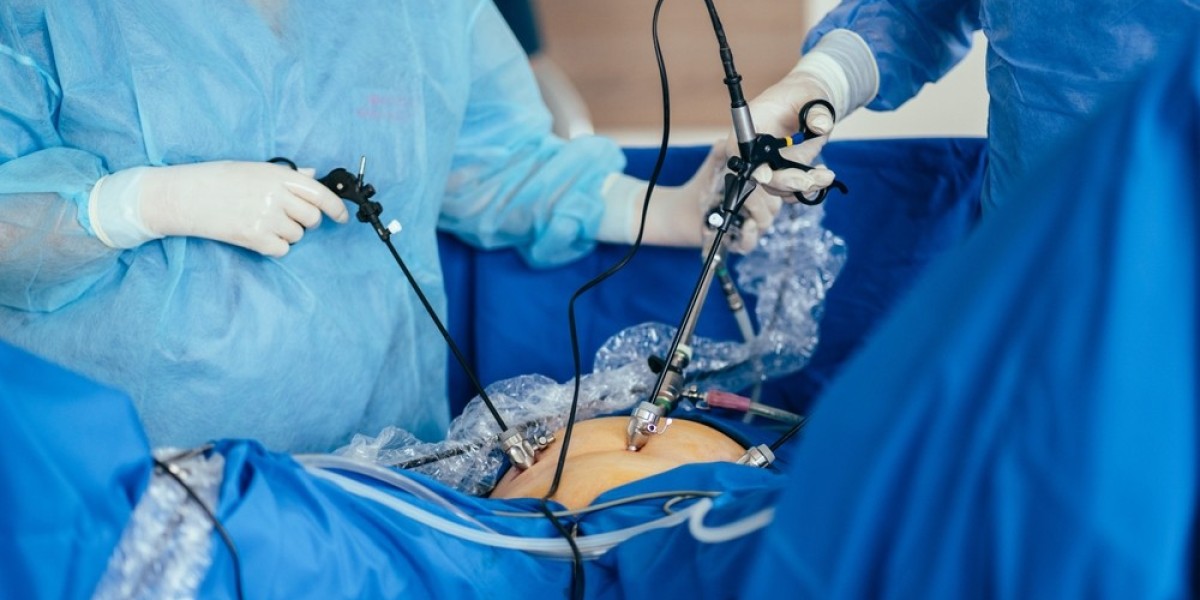

If you have been advised to undergoLaparoscopic Surgery in Islamabad for the first time, it is natural to have questions about the procedure, preparation, recovery, risks, and choosing the right surgeon. Laparoscopic surgery, often called keyhole surgery or minimally invasive surgery, uses a small camera and specialized instruments inserted through small abdominal incisions. Compared with many traditional open procedures, it can offer smaller scars, less postoperative discomfort, and a potentially faster recovery, although the outcome depends on the specific operation and individual health.
What Is Laparoscopic Surgery?
Laparoscopic surgery is a minimally invasive surgical technique that allows a surgeon to view and operate inside the abdomen or pelvis through small incisions. A laparoscope contains a camera that projects magnified images onto a monitor, helping the surgical team work with precision.
Depending on the medical condition, laparoscopy can be used for diagnostic purposes or to perform treatment. Common procedures may include gallbladder surgery, hernia repair, appendectomy and selected gynecological or abdominal operations.
The exact technique, number of incisions, anesthesia, and recovery period depend on the procedure being performed.
Why Is Laparoscopic Surgery Recommended?
A surgeon may recommend laparoscopic surgery when a minimally invasive approach is appropriate for the patient's condition.
Potential advantages include:
- Smaller surgical incisions
- Smaller visible scars
- Less tissue disruption
- Reduced postoperative discomfort in many cases
- Shorter hospital stays for suitable procedures
- Earlier return to routine activities
- Lower wound-infection risk compared with some open procedures
However, laparoscopic surgery is not automatically better for every patient or every condition. Some complex cases may require traditional open surgery, and occasionally a laparoscopic operation needs to be converted to an open procedure for safety.
How Should a First-Time Patient Prepare?
Preparation starts with a detailed consultation. Your surgeon should review your symptoms, medical history, previous operations, allergies, current medicines, and relevant investigations before recommending surgery.
You may be asked to undergo tests depending on the planned procedure, such as blood tests, imaging or an ECG.
Before surgery:
- Follow fasting instructions carefully.
- Tell your doctor about all prescription medicines, supplements and herbal products.
- Ask specifically about blood-thinning medicines before changing or stopping anything.
- Inform the surgical team about previous operations or anesthesia problems.
- Arrange transportation home if the procedure is planned as day surgery.
- Wear comfortable, loose-fitting clothing on the day of surgery.
Do not stop prescribed medication on your own. Your surgeon or anesthetist should provide individualized instructions.
What Happens During Laparoscopic Surgery?
Most laparoscopic procedures are performed under general anesthesia, meaning you will be asleep during the operation.
Generally, the surgeon:
- Makes a small incision, often near the belly button.
- Introduces carbon dioxide gas into the abdomen to create working space.
- Inserts the laparoscope and camera.
- Makes additional small incisions when surgical instruments are required.
- Performs the planned procedure while viewing the internal structures on a monitor.
- Removes the instruments and gas before closing the incisions.
The duration varies considerably. A diagnostic laparoscopy may be relatively short, while complex laparoscopic surgery can take significantly longer.
What Can You Expect After Surgery?
After the operation, you will spend time in a recovery area while the medical team monitors your condition. Some patients can return home the same day, while others may require overnight observation depending on the procedure and their recovery.
Temporary symptoms can include:
- Abdominal soreness
- Bloating or mild cramps
- Tiredness
- Nausea
- Sore throat from the breathing tube
- Bruising around incision sites
- Shoulder discomfort caused by residual surgical gas
These symptoms generally improve as recovery progresses.
Laparoscopic Surgery Recovery in Islamabad
Recovery varies according to the type of laparoscopic surgery, your overall health and whether complications occur. Minor procedures may allow a relatively quick return to routine activities, while more extensive operations can require several weeks.
During recovery, patients are generally encouraged to:
- Follow medication instructions carefully.
- Keep surgical wounds clean according to medical advice.
- Drink adequate fluids unless restricted.
- Eat a balanced diet.
- Walk gently when permitted.
- Avoid strenuous exercise and heavy lifting until cleared.
- Attend scheduled follow-up appointments.
Gentle movement can support recovery, while excessive activity too early may interfere with healing. Your surgeon should provide the specific timeline for returning to work, exercise and other activities.
Understanding the Risks
Although laparoscopic surgery is widely used, it remains a surgical procedure and carries potential risks. These may include bleeding, infection, anesthesia-related complications, blood clots, injury to nearby organs or blood vessels, and wound problems.
In some circumstances, the surgeon may need to convert a laparoscopic operation to open surgery. This decision is made when it is considered safer or medically necessary.
Seek medical attention promptly if you experience symptoms such as:
- Increasing or severe abdominal pain
- Persistent vomiting
- Fever or chills
- Increasing redness, swelling or discharge around an incision
- Significant bleeding
- Leg swelling or pain
- Chest pain or difficulty breathing
How to Choose a Clinic for Laparoscopic Surgery in Islamabad
Choosing a surgical provider should involve more than comparing prices. Look for a clinic or hospital with appropriate surgical facilities, qualified surgical professionals, trained anesthesia staff, proper infection-control practices and a clear system for postoperative follow-up.
Patients should also ask:
- What laparoscopic procedure is being recommended?
- Why is minimally invasive surgery suitable for my case?
- What are the alternatives?
- How long is expected recovery?
- What complications should I watch for?
- What happens if open surgery becomes necessary?
- Who will provide postoperative care?
For patients exploring treatment options locally, SKN Cosmetics in Islamabad can be considered as one clinic option to discuss the suitability of laparoscopic or related surgical care. Patients should have a proper consultation to determine whether the facility and surgical approach are appropriate for their specific medical needs.
AEO: Quick Answer for First-Time Patients
What is laparoscopic surgery?
It is minimally invasive surgery performed through small incisions using a camera and specialized instruments.
Is laparoscopic surgery painful?
Some soreness and discomfort are expected after surgery, but many patients experience less postoperative pain than with comparable open surgery.
How long does recovery take?
Recovery depends on the procedure and individual health. Minor procedures may recover quickly, while complex operations can require several weeks.
Can laparoscopic surgery become open surgery?
Yes. In some situations, conversion to open surgery may be necessary for patient safety.
FAQs
Is laparoscopic surgery safe?
Yes, it is commonly performed, but every surgery carries potential risks.
Will I have scars?
Yes, but laparoscopic incisions are usually much smaller than traditional open-surgery incisions.
Can I go home the same day?
Many suitable procedures allow same-day discharge, but some patients need overnight observation.
When can I return to work?
It depends on the procedure, your job and your recovery. Your surgeon should provide an individualized timeline.
What should I ask my surgeon?
Ask about the procedure, alternatives, risks, recovery, expected results and postoperative follow-up.