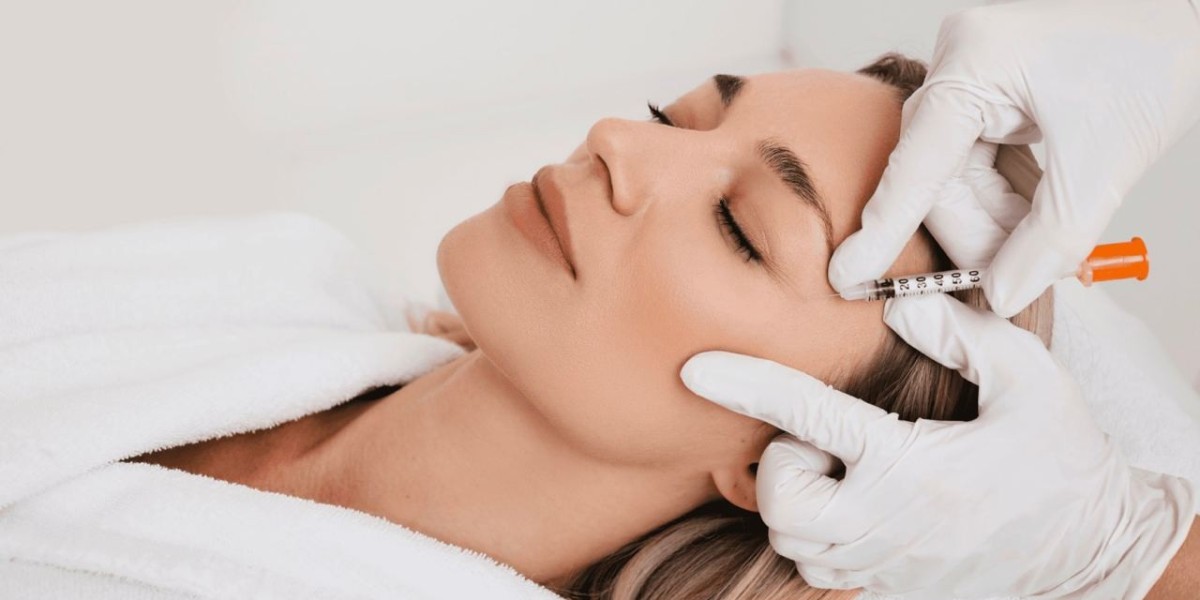

Loss of skin firmness is one of the most noticeable changes associated with aging. As collagen and elastin gradually decrease, the skin can become less elastic and may begin to appear looser around areas such as the cheeks, jawline, neck, and other parts of the body.
For people concerned about mild skin laxity, Anti-Aging Treatment in Dubai can include several approaches designed to improve firmness and encourage collagen remodeling. The appropriate option depends on the degree of laxity, skin condition, treatment goals, and desired recovery time.
Understanding how skin tightening works can help you make a more informed decision.
What Causes Skin to Lose Firmness?
Collagen and elastin provide structural support that helps the skin maintain its firmness and elasticity. As natural production declines with age, the skin may gradually become thinner and less resilient.
Sun exposure can also accelerate visible skin aging. Repeated ultraviolet exposure contributes to collagen breakdown and can make wrinkles, uneven texture, and laxity more noticeable.
Weight changes and other factors can also influence how much loose skin develops.
What Is Skin Tightening?
Skin tightening refers to treatments designed to improve the appearance of loose or lax skin. Some procedures work by delivering controlled energy into the skin, while others stimulate the body's natural repair and collagen-remodeling processes.
Non-invasive skin-tightening treatments leave the skin intact and generally involve little downtime. The American Academy of Dermatology notes that ultrasound, radiofrequency, and certain laser treatments can provide gradual tightening and lifting effects.
These procedures are different from surgical lifting procedures, which are intended to produce more substantial changes.
How Collagen Stimulation Helps
Collagen stimulation is central to many skin-tightening treatments. Controlled treatment energy or mechanical stimulation can trigger a healing response that encourages collagen remodeling.
As this process develops, the skin may gradually look firmer and smoother. Because new collagen takes time to form, results are usually progressive rather than immediate.
This gradual process can create a more subtle appearance for people who prefer natural-looking improvement.
Radiofrequency Skin Tightening
Radiofrequency treatments use controlled energy to heat tissue beneath the skin. The aim is to stimulate collagen remodeling while improving the appearance of firmness.
The American Academy of Dermatology explains that radiofrequency skin tightening can produce some immediate tightening, with more noticeable results developing as the body produces collagen over time.
The number of treatments can vary depending on the technology, treatment area, and individual goals.
Ultrasound Skin Tightening
Ultrasound-based treatments use focused sound energy to deliver heat to targeted deeper tissue layers.
This controlled heating can encourage collagen production and remodeling. According to the American Academy of Dermatology, people receiving ultrasound skin tightening may see gradual lifting and tightening over a period of months.
The treatment may be considered for selected areas where mild laxity is present.
Laser-Based Skin Tightening
Certain laser technologies can deliver controlled heat into the skin without intentionally damaging the surface layer. Depending on the technology, these treatments can be used to improve firmness and other visible signs of aging.
Laser-based approaches may also address concerns such as uneven texture or fine lines, depending on the specific procedure.
The required number of sessions and recovery time vary according to the laser technology and treatment intensity.
Microneedling for Skin Firmness
Microneedling uses tiny needles to create controlled micro-injuries in the skin. This stimulates the natural repair process and can encourage collagen remodeling.
It may be considered when reduced firmness occurs alongside fine lines, enlarged pores, acne scarring, or uneven texture.
Because microneedling works through controlled skin stimulation, temporary redness and sensitivity can occur after treatment.
Which Areas Can Be Treated?
Skin-tightening procedures can be considered for several areas where mild laxity is present.
Common treatment areas may include the face, jawline, neck, upper arms, abdomen, and other areas with loose-looking skin.
The suitability of a particular procedure depends on the amount of laxity and the characteristics of the treatment area.
Who May Benefit From Skin Tightening?
Non-invasive tightening tends to be more appropriate for people with mild to moderate skin laxity rather than significant amounts of loose skin.
The American Academy of Dermatology notes that people with a small amount of sagging skin are generally more likely to benefit from non-invasive tightening procedures.
People with substantial loose skin may require a different type of assessment because non-surgical tightening cannot replicate the degree of lifting achieved through surgery.
What Happens During Treatment?
The exact experience depends on the technology used. The treatment area is usually prepared before the device is applied or the procedure begins.
You may feel warmth, pressure, vibration, tingling, or mild discomfort depending on the technique.
Non-invasive treatments generally do not involve incisions. Some procedures can be completed relatively quickly, although treatment time depends on the area and technology.
What Is Recovery Like?
One advantage of many non-invasive tightening treatments is limited downtime.
Temporary redness, swelling, warmth, or sensitivity may occur. These effects typically depend on the procedure and treatment intensity.
The American Academy of Dermatology reports that non-invasive skin-tightening procedures generally involve little or no downtime, although temporary redness and swelling can occur.
Your specific aftercare instructions should always be followed according to the procedure performed.
When Will You See Results?
Skin tightening is often a gradual process. Some people may notice a slight improvement soon after treatment, but collagen remodeling takes additional time.
For ultrasound treatments, the American Academy of Dermatology reports that modest lifting and tightening may become visible within approximately two to six months. Radiofrequency results can also continue developing as collagen production increases.
Individual results vary, so treatment timelines should be discussed during your consultation.
How Many Sessions Are Needed?
There is no universal number of sessions for every person. The required treatment plan depends on the technology, treatment area, degree of laxity, skin condition, and desired outcome.
Some procedures may be performed as a single treatment, while others may benefit from a series of sessions.
A personalized assessment can help determine the most appropriate schedule.
Can Skin Tightening Replace Surgery?
Non-surgical skin tightening and surgical lifting are not equivalent. Non-invasive procedures are generally intended to provide modest improvements with less downtime.
The American Academy of Dermatology explains that surgical lifting procedures generally produce more dramatic results, while non-invasive options offer more gradual tightening with less recovery.
If there is substantial excess skin, a professional assessment is important to determine whether non-surgical treatment is likely to meet your expectations.
Skin Tightening and Facial Rejuvenation
Skin laxity can occur alongside wrinkles, uneven texture, pigmentation, and changes in facial volume.
For this reason, skin tightening may sometimes form part of a broader facial rejuvenation plan. Other treatments can be considered for concerns that tightening alone cannot address.
Combining procedures should be based on individual suitability, treatment timing, and realistic goals rather than simply adding multiple treatments.
Safety and Professional Standards
Choosing an appropriate treatment environment is important for aesthetic procedures. Dubai Health Authority's current standards require non-surgical cosmetic services to be provided within licensed facilities and by appropriately licensed professionals working within their approved scope and privileges.
The DHA also specifically notes that invasive skin procedures involving skin opening for tightening or lifting are restricted to appropriately licensed plastic surgeons under the applicable standards.
These requirements are worth considering when exploring skin-tightening options.
How to Prepare for Treatment
Preparation depends on the procedure selected. During your consultation, provide information about your skincare routine, previous cosmetic treatments, medications, allergies, and any relevant skin concerns.
You may also receive instructions about sun exposure, skincare products, or activities before treatment.
Following these recommendations can help create a safer and more predictable treatment experience.
How to Maintain Firmer-Looking Skin
Professional treatment can be supported by consistent skin care. Sun protection is particularly important because UV exposure contributes to premature skin aging.
A suitable moisturizer can support hydration, while an appropriate skincare routine can help maintain the appearance and texture of the skin.
Healthy lifestyle habits and stable weight can also support long-term skin quality.
Choose Skin Tightening Based on Your Needs
There is no single best tightening treatment for everyone. Radiofrequency, ultrasound, laser-based procedures, microneedling, and other techniques work differently and may be appropriate for different levels and types of skin laxity.
A consultation can help determine whether your primary concern is suitable for non-surgical tightening and which approach best fits your goals and recovery preferences.
Plan Your Skin Tightening Journey
Anti-Aging Treatment in Dubai can provide several options for people who want to improve mild skin laxity and support a firmer-looking complexion. Non-invasive treatments generally work gradually by encouraging collagen remodeling, while the choice of technology depends on the treatment area and individual needs.
Understanding the mechanism, expected results, recovery, and limitations of each option can help you make a more informed decision. TAJMEELS CLINIC can be considered when exploring personalized skin-tightening and anti-aging treatment options in Dubai.
More Information
Tajmeels Clinic Dubai
WhatsApp: +971 56 203 8751
Phone: +971 4 373 9000
Social Media: