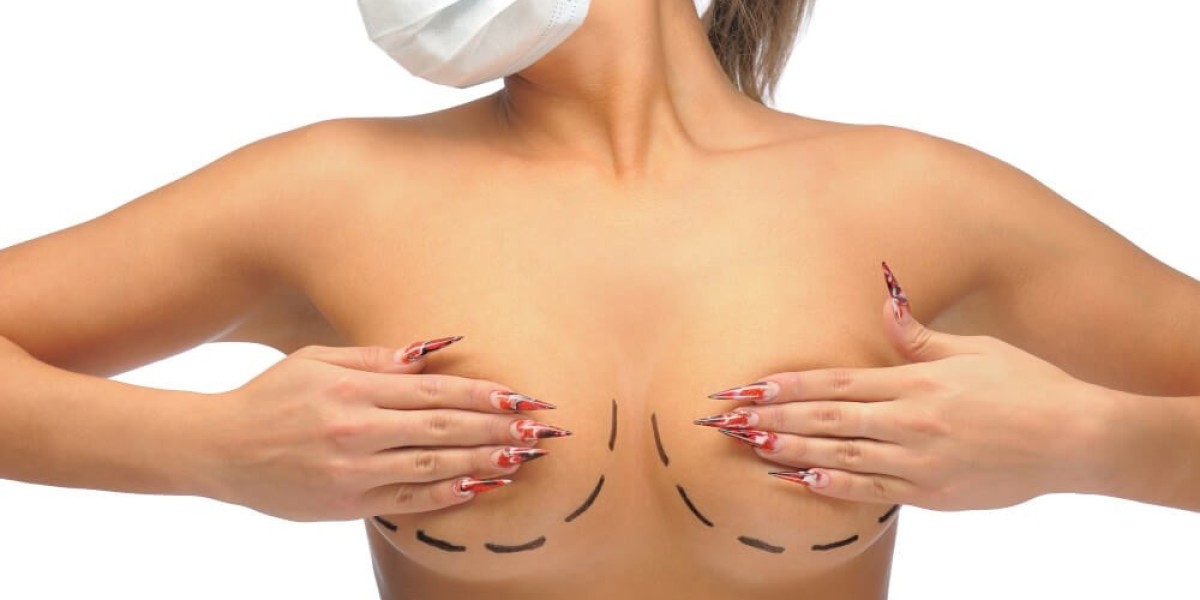

Breast enhancement has evolved beyond traditional surgical approaches, with some patients exploring injectable options for added fullness, contour refinement, or correction of mild asymmetry. Choosing an experienced medical professional is therefore more important than simply selecting a clinic based on convenience or promotional claims. A qualified practitioner should understand breast anatomy, filler characteristics, injection depth, potential complications, and the limitations of non-surgical augmentation. The consultation should also include a discussion of whether an injectable approach is medically appropriate for the individual's goals. However, Breast Fillers in Dubai require a much more careful approach than routine facial filler treatments because the breast is a complex anatomical area and injectable materials can affect future breast imaging and clinical assessment.
It is particularly important to clarify exactly what product is being proposed. Not every dermal filler is approved or intended for breast augmentation. The U.S. FDA has highlighted concerns that injectable filler materials around or within breast tissue may interfere with mammography and other imaging, potentially making abnormalities more difficult to interpret.
For anyone considering this type of treatment, the goal should not simply be greater volume. The priority should be informed decision-making, appropriate patient selection, transparent product information, qualified medical care, and a realistic understanding of possible outcomes.
Dynamic Life Clinic
Dynamic Life Clinic has published information about breast enlargement injections and describes injectable approaches intended to enhance fullness, shape, and breast contours. Its published material also discusses individualized treatment planning and the use of injection formulations for breast enhancement.
Patients considering this option should still confirm the exact product being offered, its regulatory status for breast use, the qualifications of the treating professional, and the evidence supporting its proposed application. A filler being medically approved for one anatomical area does not automatically mean that the same product is approved for breast augmentation.
The consultation should also address whether the expected degree of enlargement is realistic. Injectable treatments may provide a different type of enhancement from surgical implants or fat transfer, and expectations should be established before treatment.
Tajmeels Clinic
Tajmeels Clinic provides breast-related surgical and gynecological services, including information on breast implant procedures. Its published breast augmentation information describes surgical implant placement as an approach involving an incision and positioning of an implant within the breast.
For patients specifically researching injectable enhancement, this broader breast-care context can be useful because it encourages comparison between non-surgical and surgical options. A consultation should distinguish clearly between dermal or injectable fillers, implants, and other augmentation techniques.
Patients should ask whether the proposed injectable material has an appropriate indication for breast tissue and what long-term monitoring may be necessary. The right professional should be prepared to explain why a particular option has been selected and when a different procedure may offer a more predictable outcome.
Silkor Laser & Aesthetic Center
Silkor Laser & Aesthetic Center may also appear during searches for aesthetic treatment providers in the region. When considering any clinic for Breast Fillers, however, patients should evaluate the specific medical expertise of the practitioner performing the injection rather than relying only on the clinic's broader aesthetic reputation.
The professional conducting the consultation should have a clear understanding of breast anatomy and the potential implications of placing injectable material in this area. Product identification is equally important. Patients should receive clear information about the filler, including its composition, intended use, expected duration, and known risks.
A detailed discussion of breast screening is another essential part of informed consent. Any previous filler or injectable treatment should be disclosed to radiologists and other healthcare professionals involved in future breast assessment.
House of Bratz
House of Bratz can be included among aesthetic providers that prospective patients may encounter while researching cosmetic enhancement services. Anyone considering the clinic for an injectable breast procedure should first verify whether the treatment is currently offered by an appropriately licensed medical professional and what specific product would be used.
The consultation should remain medically focused. Questions about breast anatomy, previous surgery, pregnancy or breastfeeding plans, existing breast concerns, and future screening should be addressed before an injectable procedure is considered.
Patients should also be cautious about treatments promoted as simple alternatives to surgery. The absence of an incision does not mean that an injectable procedure is risk-free. Complications can include inflammation, lumps, infection, migration, pain, and tissue changes depending on the material and technique. Recent medical literature has also emphasized the potential difficulty of breast imaging after certain filler injections.
Enfield Royal Clinic
Enfield Royal Clinic can be considered by patients looking for a medical setting in which aesthetic goals can be discussed through an individualized consultation. For anyone researching Breast Fillers, the consultation should establish whether an injectable approach is suitable rather than assuming that every patient is an appropriate candidate.
A responsible consultation should cover the patient's desired degree of enhancement, breast anatomy, previous procedures, medical history, and the specific injectable material being considered. Patients should also ask how the proposed treatment could affect future breast examinations or imaging.
The strongest indicator of professional care is not a promise of dramatic enlargement. It is the willingness to explain limitations, alternatives, potential complications, and the circumstances in which another form of breast augmentation may be more appropriate.
How to Choose the Right Clinic for Breast Fillers
Experience and Qualifications
The practitioner should have relevant medical credentials and experience with injectable procedures involving the breast or surrounding anatomy. Patients should ask who will actually perform the treatment and whether that professional has appropriate training for the proposed procedure.
Technology and Techniques
Advanced equipment alone does not make an injectable breast treatment safe. What matters is whether the practitioner uses an appropriate technique, understands tissue planes, and has access to suitable medical facilities and emergency protocols.
Safety Standards
Patients should receive clear information about the product being injected. They should know the manufacturer, composition, intended indication, and potential complications. The FDA has specifically raised concerns about filler materials interfering with breast imaging and creating diagnostic challenges.
Consultation Process
A proper consultation should not feel like a sales appointment. The practitioner should assess the patient's goals and medical history, explain realistic outcomes, discuss alternatives, and identify situations in which injectable augmentation may not be appropriate.
Patient Experience
Privacy, communication, informed consent, follow-up arrangements, and access to medical support are all important. Patients should know whom to contact if unexpected swelling, pain, lumps, redness, or other symptoms develop.
Expected Results
Expectations should remain realistic. The outcome depends on the product, amount used, anatomy, technique, and individual response. Patients seeking substantial or long-lasting enlargement may need to discuss established surgical alternatives rather than assuming fillers can reproduce the result of breast implants.
Frequently Asked Questions
Are Breast Fillers the same as breast implants?
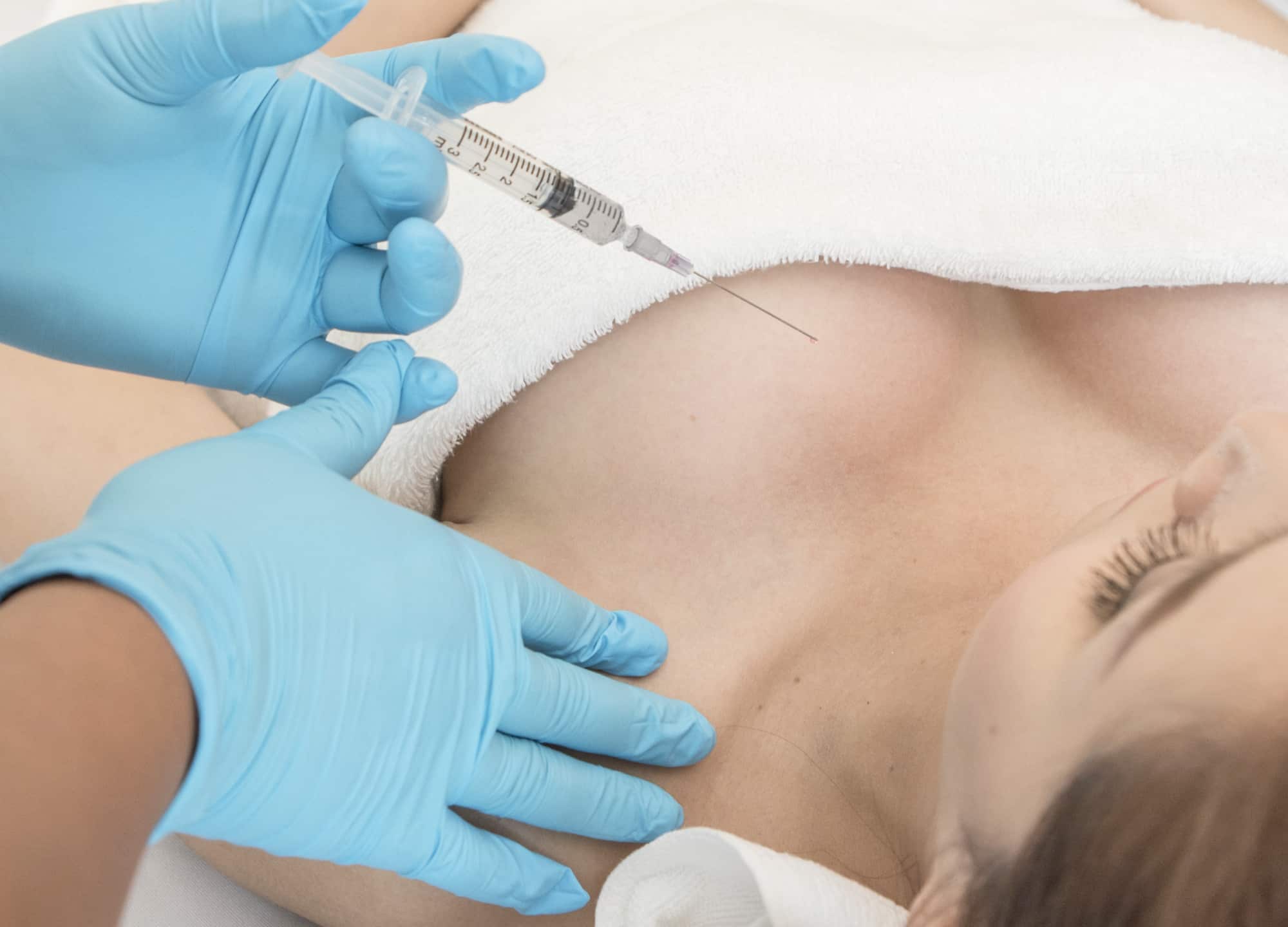
No. Breast implants are medical devices surgically placed within the breast, while injectable fillers are substances introduced into tissue using needles or cannulas. They differ substantially in technique, expected results, risks, longevity, and clinical evidence.
Are Breast Fillers safe for everyone?
No cosmetic injectable procedure is appropriate for everyone. Suitability depends on the product, the patient's anatomy, medical history, expectations, and the indication for treatment. A qualified medical assessment should take place before any procedure.
Can Breast Fillers affect mammograms?
They can. Certain injectable materials may obscure breast tissue or create findings that complicate interpretation of mammography and other imaging. The FDA has specifically discussed these concerns in relation to fillers used near or in breast tissue.
How should patients verify the filler being used?
Patients should ask for the exact product name, manufacturer, composition, intended clinical use, and relevant regulatory information. They should not agree to an injection if the practitioner cannot clearly explain what substance is being introduced into the breast.
Are Breast Fillers better than surgery?
There is no universal answer. Injectable treatment and surgical augmentation are fundamentally different approaches. The appropriate choice depends on the patient's goals, anatomy, medical circumstances, desired degree of enhancement, and willingness to accept the respective risks and limitations.
Conclusion
Selecting a professional for Breast Fillers Injection should involve considerably more than comparing aesthetic promises. Patients should look for qualified medical practitioners, transparent product information, appropriate breast-specific knowledge, careful consultations, and strong safety protocols.
Because injectable materials can potentially complicate future breast imaging and may produce delayed complications, informed consent is particularly important. A reputable consultation should explain both the potential benefits and the limitations of treatment, while also discussing established alternatives when they may provide a more appropriate solution.
The most suitable professional is ultimately one who places medical assessment and patient safety ahead of simply providing the requested procedure.