
Most people don’t think much about their feet until something starts hurting. Then suddenly, every step reminds them there’s a problem. Fair enough, but waiting for pain isn’t always the smartest move. Your feet take a beating every single day, carrying your body through work, exercise, errands and everything in between. Regular foot care can catch small issues before they turn into bigger ones. Seeing a podiatrist in Thuringowa can be especially useful if you have ongoing pain, recurring problems, diabetes, an active lifestyle, or simply feet that don’t seem to be behaving properly. It’s not about making a drama out of every little ache. It’s about staying ahead of problems when you can.
Small Foot Problems Can Become Bigger Ones
A sore spot, thick toenail, cracked skin or mild heel pain might seem like something you can ignore. Sometimes it is. Sometimes it isn’t. Foot problems often develop slowly, and people get used to the discomfort without realising how much it has changed the way they walk. That altered movement can put extra strain on the ankles, knees, hips and even the lower back. A podiatrist can look at how your feet are functioning, not just where they hurt. That matters. Treating the cause instead of constantly covering up the symptom can make a big difference over time. And honestly, it’s usually easier to deal with a small problem than a stubborn one that’s been hanging around for two years.
Regular Check-Ups Help Keep Feet Healthy
You don’t necessarily need to see a podiatrist every few weeks if your feet are healthy. The point is knowing when professional advice is worthwhile. Routine assessments can identify changes in your skin, nails, joints, foot structure and walking pattern. They can also help with common issues such as corns, calluses, ingrown toenails, heel pain and arch problems. For some people, regular appointments are also about prevention rather than treatment. A podiatrist may recommend footwear changes, exercises, stretching, padding or other simple adjustments. Nothing fancy. Small changes can sometimes take a surprising amount of pressure off the feet.
Foot Health Matters More as You Get Older
Feet change with age. There’s no getting around it. Skin can become thinner and drier, joints may become stiffer, and the natural cushioning under the foot can reduce. Balance can also become less reliable. These changes can make everyday walking less comfortable and increase the risk of falls or injuries. Older adults may also have circulation or nerve-related concerns that make foot problems harder to notice. Regular podiatry appointments give you another set of eyes on those changes. It’s much easier to manage gradual changes when they’re spotted early, rather than trying to fix everything after mobility has already taken a hit.
Diabetes Makes Professional Foot Care Even More Important
People with diabetes need to take foot health seriously. Changes in sensation and circulation can mean a small blister, cut or pressure spot doesn’t get noticed quickly. What looks minor can become a more serious wound if it’s left alone. Regular podiatric assessment can help identify areas of risk and give you practical advice about footwear, skin care and daily checks. This doesn’t mean you should panic every time you notice a mark on your foot. It means you shouldn’t ignore things either. A sensible prevention routine is far better than dealing with an avoidable complication later.
Foot Pain Shouldn’t Always Be Pushed Through
There’s a bit of a tough-it-out culture around foot pain. People say, “It’ll go away,” then keep walking, running or working on it for months. Sometimes it does go away. But persistent pain deserves attention. Heel pain, arch pain, burning, stiffness or pain around the toes can have several possible causes, and the right treatment depends on what’s actually going on. A podiatrist can assess the problem and build a treatment approach around your needs. That might involve exercises and activity changes, footwear advice, orthotics or other treatments. The goal isn’t just getting you through today. It’s helping you move comfortably for the long haul.
When Treatments Like Shockwave Therapy May Help
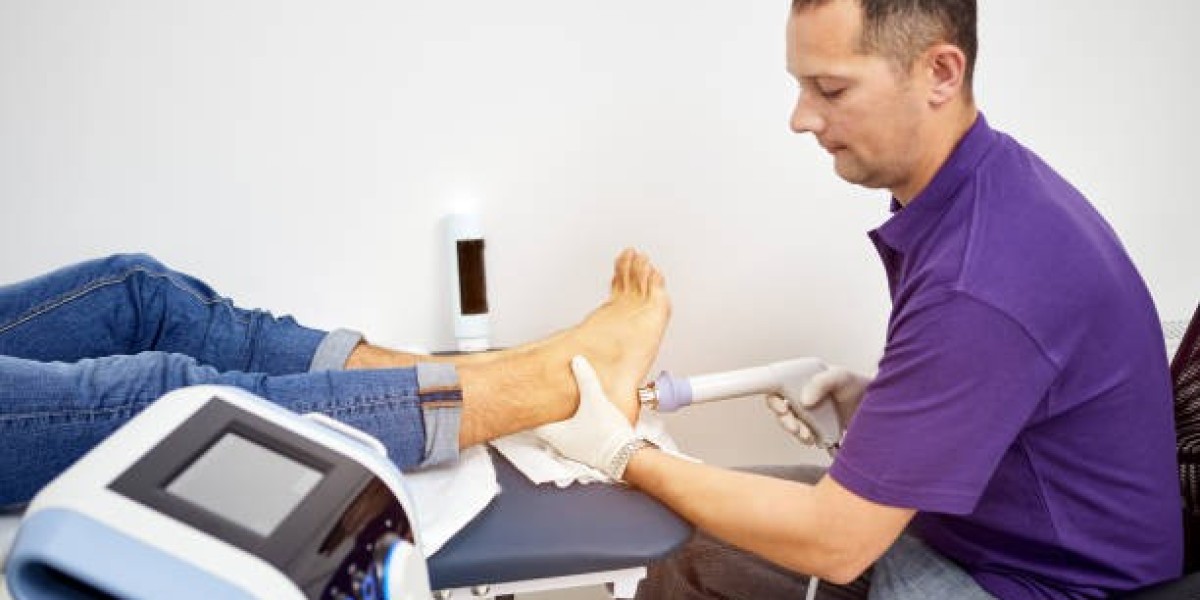
For stubborn soft-tissue problems, treatment options can go beyond basic rest and stretching. shockwave therapy for plantar fasciitis is one approach that may be considered when heel pain has persisted despite more conservative care. The treatment uses focused sound waves to stimulate the affected area and encourage the body’s healing response. It isn’t a magic wand, and anyone promising an instant cure is probably getting ahead of themselves. But for suitable patients, shockwave treatment can be part of a broader plan to manage chronic plantar fasciitis and get normal activity back on track.
Your Shoes Can Affect Your Foot Health
We often blame our feet when the real problem is sitting on them. Poorly fitting shoes can create pressure, rubbing and unnecessary strain. Shoes that are too tight around the toes may contribute to nail problems and deformities, while worn-out footwear may provide very little support or cushioning. A podiatrist can assess your footwear and explain what your feet actually need. That doesn’t mean every pair of shoes in your cupboard has to go. Sometimes a different size, better fit or more supportive design is enough. Comfort matters, especially if you spend hours standing or walking every day.
Prevention Is Usually Easier Than Repair
Long-term foot health isn’t about doing something complicated. Keep your feet clean and dry. Trim your nails properly. Wear shoes that fit. Pay attention to changes. Don’t ignore pain that keeps returning. And get professional advice when a problem isn’t settling. These sound like basic things, because they are. But basic things work. Regular podiatry care can also help you understand your own feet better, which makes it easier to notice when something changes. You don’t need to wait until you can barely walk before taking action.
Conclusion: Look After Your Feet Before They Force You To
Your feet do a lot of work, mostly without getting any credit for it. So giving them a bit of attention isn’t overkill. It’s sensible. Regular podiatry care can help identify problems early, manage existing conditions and keep you moving properly as your body changes. Whether you’re dealing with recurring heel pain, nail issues, sports-related strain or simply want to stay on top of your foot health, getting advice early can save plenty of trouble later. The short answer is simple: don’t wait for your feet to become a serious problem before you start looking after them. A little prevention now can make everyday movement a whole lot easier down the road.