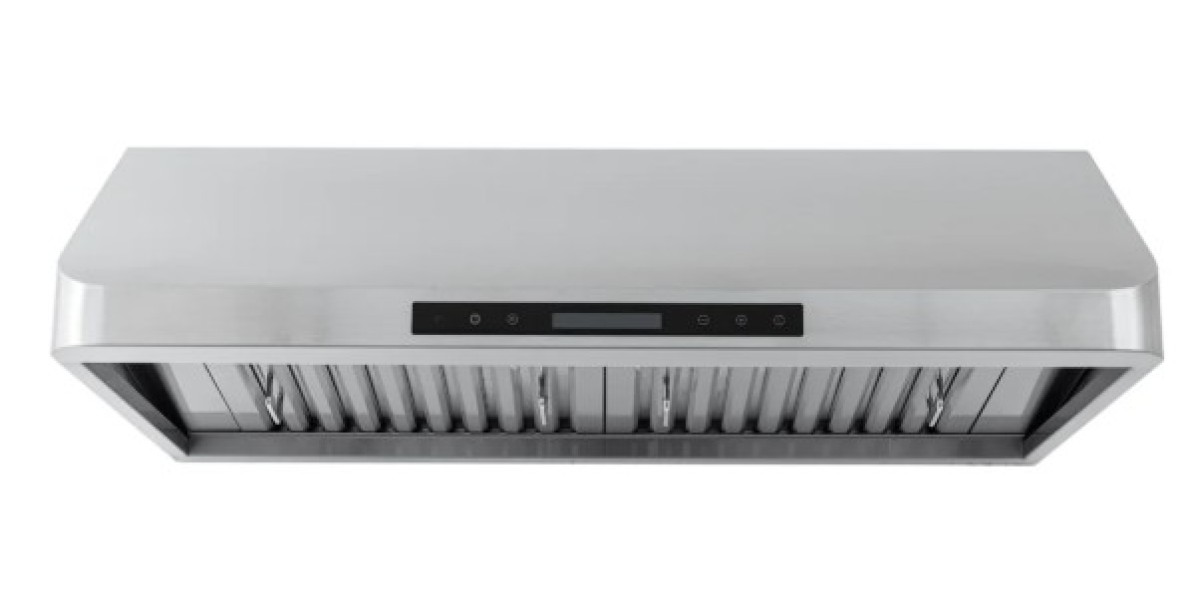

Not every kitchen is set up to accommodate external ductwork, and that's exactly where recirculating systems come in. Whether you're renovating an apartment, working around structural limitations, or simply want a simpler installation process, ductless under-cabinet range hoods offer a practical alternative to traditional vented systems. These units filter air rather than expelling it outside, making them a popular choice for kitchens where running ductwork isn't feasible. This guide covers how these systems work, what to consider before buying one, and how to keep them performing well over time.
How Ductless Range Hoods Work
Unlike ducted range hoods that vent smoke, steam, and odors outside through external ductwork, ductless systems recirculate air back into the kitchen after passing it through a filtration system. Air is drawn up through a grease filter to capture oil particles, then passed through a charcoal or carbon filter designed to absorb odors before the air is released back into the room. This closed-loop process means no exterior wall or roof penetration is required, which significantly simplifies installation compared to ducted alternatives.
Why Choose a Ductless System
There are several practical reasons homeowners opt for recirculating systems over vented ones. Apartments, condos, and rental properties often restrict structural modifications, making external venting impossible without landlord approval or costly renovations. Additionally, kitchens located on interior walls or upper floors of multi-story homes may face significant challenges running ductwork to the exterior. In these situations, ductless under-cabinet range hoods provide effective filtration without the installation complexity of a vented system.
Filtration Efficiency and Limitations
While recirculating systems are convenient, it's worth understanding their filtration limitations compared to ducted options. Charcoal filters are effective at reducing odors but don't remove humidity or heat from the kitchen air the way a vented system does. This means kitchens with heavy, frequent cooking — particularly frying or dishes with strong odors — may notice recirculating systems are less effective than ducted alternatives at fully clearing the air. Understanding this trade-off helps set realistic expectations before installation.
CFM and Performance Considerations
Even without external venting, CFM (cubic feet per minute) ratings still matter for ductless under-cabinet range hoods, since airflow strength affects how quickly smoke and steam are captured and filtered. Multi-speed fan settings allow users to adjust airflow based on cooking intensity, which can help compensate for some of the filtration limitations inherent to recirculating systems. Checking CFM specifications against your typical cooking habits is a useful step when comparing models.
Installation Advantages
One of the biggest draws of ductless systems is installation simplicity. Without the need for exterior venting, installation timelines are often shorter and don't require structural modifications to walls or ceilings. This makes recirculating hoods a practical option for renters, condo owners, or anyone looking to avoid the cost and complexity of ductwork installation.
Filter Maintenance and Replacement
Because ductless systems rely entirely on filtration rather than expulsion, regular filter maintenance is especially important. Grease filters typically need periodic cleaning, while charcoal filters usually require replacement every few months depending on cooking frequency, since they lose odor-absorbing effectiveness over time and cannot be washed and reused like grease filters.
Conclusion
Recirculating systems offer a practical, lower-complexity ventilation solution for kitchens where external ducting isn't an option. Understanding their filtration process, performance trade-offs, and maintenance needs helps homeowners set realistic expectations and get the most out of their unit. At Proline Range Hoods, we design our recirculating models with efficient filtration and straightforward installation in mind, helping kitchens without ductwork access still achieve cleaner, fresher air.