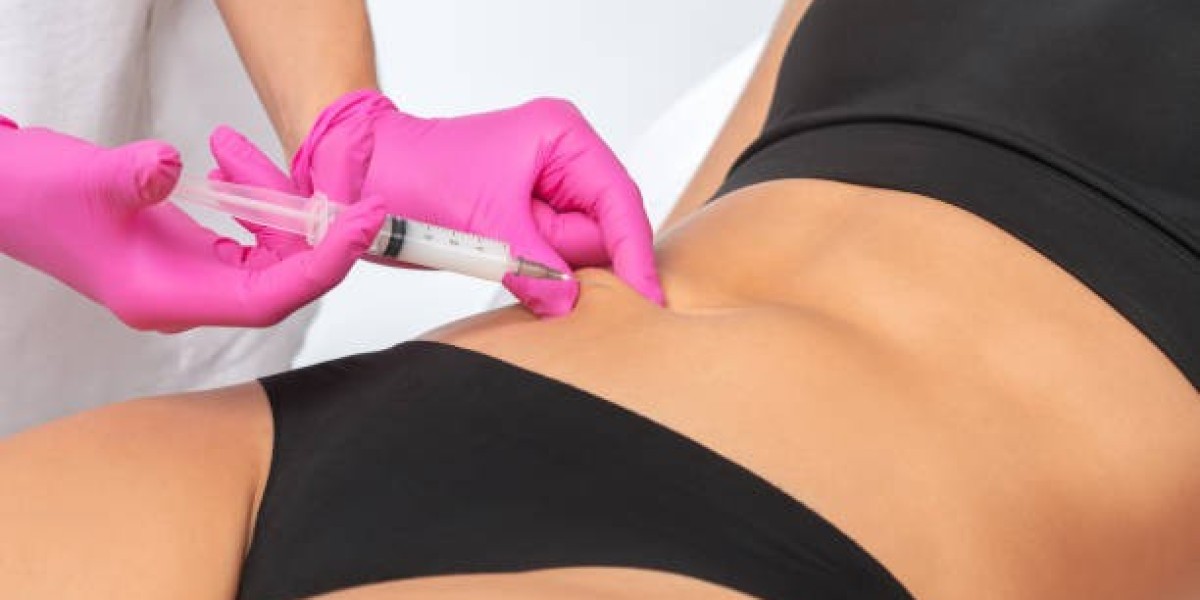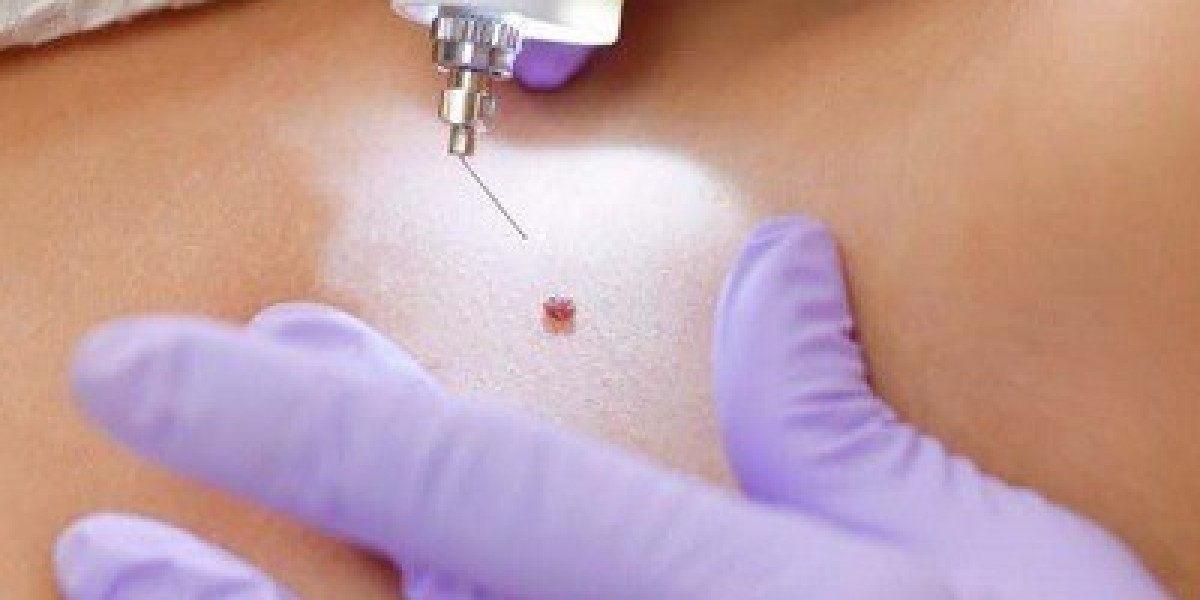

Moles can vary greatly in size, color, texture, and location. Some are barely noticeable, while others may become a prominent feature of the skin or cause irritation during everyday activities. Mole Removal in Dubai offers several treatment approaches, but the most suitable option depends on the characteristics of the individual mole and the condition of the surrounding skin.
Choosing a removal method should begin with proper assessment rather than simply selecting the most familiar technique. Understanding how different approaches work can help you know what to expect and why one method may be preferred over another.
What Is Mole Removal?
Mole removal involves eliminating an unwanted mole from the skin using an appropriate technique. The procedure may be considered for cosmetic reasons, repeated irritation, or when removal is medically appropriate following assessment.
Not every mole requires treatment. Some can simply be monitored, particularly when they remain stable and do not cause discomfort. When removal is considered, the method should be selected according to the mole's characteristics rather than using the same technique for every case.
Why Can Treatment Methods Differ?
Moles are not identical. Some are flat and pigmented, while others are raised or extend deeper into the skin. Their location can also affect the treatment approach.
For example, a small superficial growth may be managed differently from a larger raised mole. The desired cosmetic result, depth, skin type, and possibility of tissue examination can also influence the choice.
This individualized approach is important because removing a mole is not simply about making it disappear. The surrounding skin and potential healing outcome also need consideration.
Surgical Excision for Mole Removal
Surgical excision involves cutting out the mole and, when appropriate, a small margin of surrounding tissue. The resulting area may be closed with sutures to support healing.
This method can be useful for certain moles that extend deeper into the skin or require complete removal. The removed tissue may also be sent for laboratory examination when clinically indicated.
Because excision involves removing tissue below the surface, some degree of scarring can occur. The final appearance depends on factors such as the size and location of the removal site and the individual's healing response.
Shave Removal for Raised Moles
Shave removal is designed for selected raised moles that extend above the skin surface. A specialized instrument is used to remove the visible portion of the growth.
Compared with excision, this approach may involve less disruption to the surrounding tissue in suitable cases. However, it is not appropriate for every type of mole.
The depth and structure of the growth need to be considered before this technique is selected.
Laser-Based Mole Treatment
Laser technology may be used for certain superficial pigmented lesions. It works by targeting specific pigment or tissue characteristics, depending on the technology being used.
Laser treatment is not automatically suitable for every mole. Some lesions require another form of removal or further evaluation first.
For this reason, laser treatment should be considered only after the skin growth has been appropriately assessed.
How Is the Appropriate Treatment Chosen?
The choice between different Mole Removal in Dubai techniques depends on several considerations. These can include:
Mole characteristics: Size, shape, pigmentation, elevation, and depth can affect treatment selection.
Location: Moles on the face, neck, or areas exposed to friction may require careful consideration of the cosmetic outcome.
Skin characteristics: Individual healing patterns and pigmentation tendencies can influence expectations.
Reason for removal: Cosmetic concerns, repeated irritation, or medical considerations may require different approaches.
Need for tissue examination: If a mole requires laboratory assessment, a technique that allows tissue to be examined may be preferred.
These factors demonstrate why a personalized evaluation is more useful than choosing a treatment based only on popularity.
Mole Assessment Before Treatment
Before removing a mole, its appearance should be assessed carefully. Particular attention may be given to changes in size, shape, color, borders, or texture.
A mole that has recently changed should not simply be treated as a cosmetic concern. Further evaluation may be necessary to determine the appropriate next step.
This assessment also helps establish whether removal is suitable and which technique may provide the most appropriate outcome.
What Happens During Mole Removal in Dubai?
The procedure varies according to the selected technique. The treatment area is prepared before the removal process begins, and appropriate measures are used to make the procedure as comfortable as possible.
A superficial technique may involve a relatively short treatment process, while excision can involve additional steps because tissue is removed from beneath the skin surface.
After the mole has been addressed, the treated area is cared for according to the selected procedure. Specific instructions can vary depending on the technique and location.
What Should You Expect After Treatment?
Temporary redness, tenderness, sensitivity, or mild swelling can occur following mole removal. The treated area may also look different from the surrounding skin while it heals.
If stitches are used, additional care may be required until the wound has sufficiently healed and any planned follow-up has taken place.
It is important not to judge the final appearance immediately after treatment. Skin healing takes time, and the appearance of the area can gradually change.
Aftercare and Skin Protection
Proper aftercare is an important part of the recovery process. The treated area should be protected from unnecessary friction and excessive touching.
Sun exposure deserves particular attention because recently treated skin can be more susceptible to pigmentation changes. Once appropriate for the healing stage, sun protection can help reduce unwanted discoloration.
Avoid picking scabs or peeling healing tissue. Allowing the skin to recover naturally can help minimize additional irritation.
Can Treatment Affect Skin Texture?
The effect on skin texture depends on the removal method, the size and depth of the mole, and how the individual's skin heals.
A superficial removal may leave a relatively subtle change, while deeper excision can result in a more noticeable scar. Over time, scars may become less prominent, although their appearance varies from person to person.
Realistic expectations are therefore important before treatment.
Can the Same Mole Return?
A mole may sometimes become visible again after treatment, depending on the removal method and the depth of the original growth.
Any new or changing pigmentation at a previous treatment site should be monitored. If the area develops unusual changes, it is sensible to have it evaluated rather than assuming that the issue is purely cosmetic.
When Should Mole Removal Be Delayed?
Removal may need to be reconsidered when a mole shows characteristics that require further investigation. Changes such as rapid growth, irregular pigmentation, unusual borders, bleeding, or persistent crusting can require assessment before cosmetic treatment.
The priority should always be understanding what the skin growth represents before deciding how it should be removed.
Making an Informed Choice
Understanding the differences between excision, shave removal, and laser-based approaches can make the decision-making process easier. However, there is no universally best method for every mole.
The most appropriate treatment is the one that matches the characteristics of the growth while taking the surrounding skin and expected healing into account.
Final Thoughts
Mole Removal in Dubai can involve different techniques, including excision, shave removal, and selected laser-based approaches. The right option depends on the mole's appearance, depth, location, skin characteristics, and reason for removal. A proper assessment before treatment helps establish realistic expectations and supports a more informed decision. TAJMEELS CLINIC offers aesthetic skin treatment options for people looking to address unwanted moles and explore suitable removal approaches.