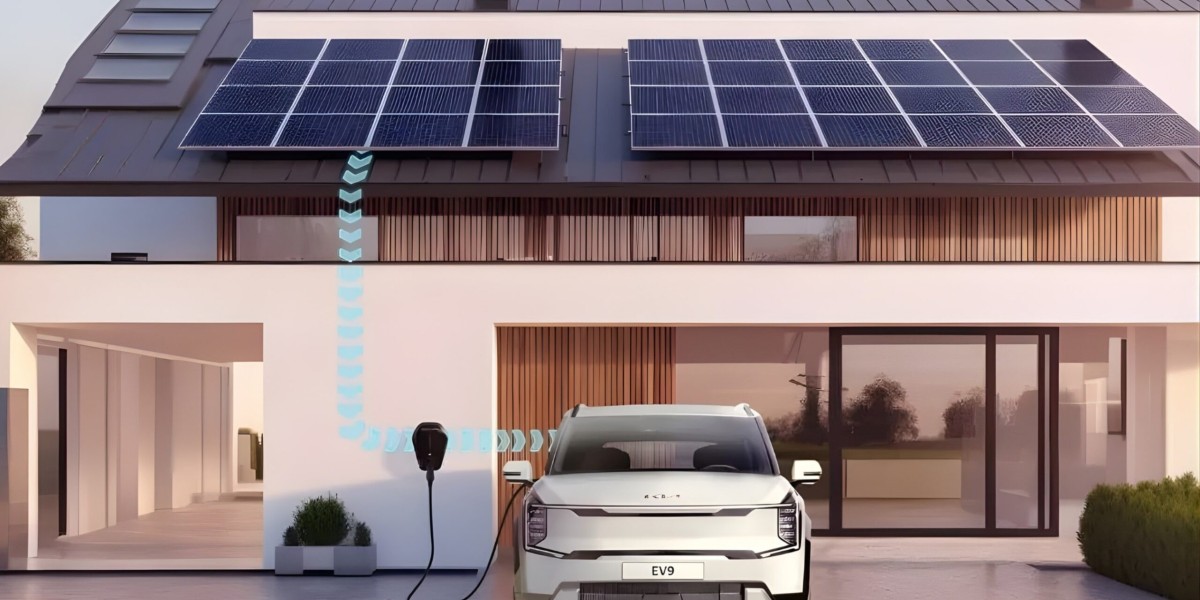

Electric vehicles are becoming an important part of modern transportation, while solar energy is helping households reduce their dependence on conventional electricity. Combining these two technologies creates a practical approach to cleaner and potentially more economical vehicle charging. A solar EV charger allows electricity generated by rooftop solar panels to be directed toward an electric vehicle, helping homeowners make better use of renewable energy produced at their property. Instead of sending excess solar generation to the grid and purchasing electricity later to charge a vehicle, homeowners can use available daytime generation for charging when conditions are suitable. This approach can also make an existing solar energy system more useful by adding another major household electricity load. With suitable equipment, installation planning, and charging controls, solar-powered EV charging can become an important part of an efficient home energy setup.
What Is a Solar EV Charger?
A solar EV charger is a charging setup that allows an electric vehicle to receive electricity generated partly or primarily from a solar power system. The system generally connects rooftop solar panels, an inverter, an EV charging unit, the household electrical system, and sometimes a battery. Depending on the equipment, the charger can prioritize solar generation, use a combination of solar and grid electricity, or charge according to a selected schedule. Smart charging technology can monitor energy production and adjust the charging rate to match available power. This makes the system more flexible than simply plugging an EV into a standard electrical outlet. A homeowner can potentially charge the vehicle during periods of strong solar production, reducing the amount of grid electricity required. The exact performance depends on the solar system size, vehicle battery capacity, charger rating, weather, household consumption, and local electricity conditions.
How Solar Charging Works
The basic process begins when rooftop panels convert sunlight into electricity. The inverter converts the electricity into a form suitable for household appliances and other electrical equipment. When the home is using less electricity than the solar system is producing, surplus generation can be directed toward the EV charger if the system has the necessary controls. The charger then delivers electricity to the vehicle according to its charging capacity and the available power.
A smart solar EV charger can continuously adjust its output rather than charging at one fixed rate. For example, if household appliances suddenly consume more electricity, the charger may reduce its charging rate. When solar generation increases again, it can increase the charging rate. Some systems can also coordinate solar power with battery storage and grid electricity. This type of energy management helps homeowners use locally generated electricity more strategically while maintaining convenient vehicle charging.
Key Benefits of a Solar EV Charger
The main attraction of a solar EV charger is the ability to connect electric transportation with renewable energy generation. Instead of treating vehicle charging as a completely separate electricity expense, homeowners can integrate it with their existing energy system. Using solar generation for EV charging may help reduce reliance on grid electricity, particularly when the vehicle is parked at home during sunny hours.
Another benefit is better utilization of surplus solar generation. A household may produce more electricity than it immediately needs during the middle of the day. Charging an EV during these periods can turn some of that surplus into useful transportation energy. Solar charging can also support broader household energy management by coordinating the vehicle with appliances, batteries, and other electrical loads. Over time, this can make the home energy system more flexible and better aligned with renewable energy production.
Important Advantages at a Glance
- Uses renewable electricity generated by rooftop solar panels.
- Can reduce dependence on grid electricity for vehicle charging.
- Makes surplus daytime solar generation more useful.
- Can support smart energy management at home.
- May complement home battery storage.
- Provides a convenient charging option for EV owners.
- Can help align vehicle charging with solar production.
Solar EV Charger Compared With Standard EV Charging
A conventional EV charger normally receives electricity from the household electrical supply. Although it provides reliable charging, the electricity may come from a mixture of grid generation sources. A solar EV charger adds another energy source by allowing solar generation to contribute directly to vehicle charging.
| Feature | Standard EV Charger | Solar EV Charger |
|---|---|---|
| Main energy source | Grid electricity | Solar, grid, or both |
| Solar integration | Usually limited | Designed for solar integration |
| Smart charging | Depends on model | Often available |
| Surplus solar use | Not prioritized | Can be prioritized |
| Battery integration | Optional | Often compatible |
| Energy monitoring | Model dependent | Common in smart systems |
| Charging flexibility | Moderate | Potentially high |
The right choice depends on how the property is used. A homeowner with a large solar system and an EV that remains parked during daylight hours may gain more value from solar-integrated charging. Someone who regularly drives during the day may need scheduled evening charging, making battery storage or grid-supported charging useful.
Choosing the Right Charger
Selecting a solar EV charger requires more than choosing the highest charging speed available. The charger's power rating should match the vehicle's onboard charging capability and the property's electrical infrastructure. A higher-rated charger does not necessarily mean faster charging if the vehicle cannot accept that amount of power.
Smart controls are another important consideration. A charger capable of monitoring solar generation can make better use of renewable electricity than a basic charger that simply draws power whenever it is connected. Homeowners should also consider energy monitoring, scheduling, load management, communication features, and compatibility with battery storage.
The size of the solar system is equally important. A small solar installation may not consistently provide enough excess generation for high-speed EV charging, especially when household appliances are operating. A larger system can provide greater charging opportunities, although actual results vary throughout the year.
Solar Panels, Battery Storage and EV Charging
A solar EV charger can become even more useful when combined with home battery storage. Solar panels generate the most electricity during daylight hours, while many EV owners may return home in the evening. A battery can store some daytime solar generation and make that energy available later. This can create a more flexible charging routine.
However, battery storage should not automatically be considered necessary. If an EV is parked at home during the day, direct solar charging may be the simplest approach. If the vehicle is usually away during daylight hours, a battery can provide additional flexibility. The ideal setup depends on driving patterns, solar generation, household electricity use, battery capacity, and electricity tariffs.
Installation Considerations
Installing a solar EV charger requires careful assessment of the home's electrical system. The installer may need to evaluate the switchboard, available electrical capacity, solar inverter, cable routes, charger location, and existing energy equipment. The distance between the electrical equipment and the parking area can also affect installation complexity and cost.
Safety should remain a priority. Electrical work should be completed according to applicable local requirements and by appropriately qualified professionals. Outdoor charging locations may require equipment with suitable weather protection. Cable management and physical placement should also be considered so that charging remains convenient without creating unnecessary trip or vehicle-access hazards.
Managing Charging Efficiently
Smart charging can make a significant difference to the usefulness of a solar EV charger. Instead of charging the vehicle at maximum power whenever it is connected, the system can adjust charging based on available solar generation and household electricity demand.
Homeowners can consider several practical strategies:
- Schedule charging during strong solar-production periods.
- Use smart controls to avoid unnecessary grid consumption.
- Monitor solar generation and EV charging separately.
- Consider battery storage when daytime charging is difficult.
- Match charger capacity with the vehicle and home electrical system.
These approaches can help transform EV charging from a simple electricity load into an integrated part of household energy management.
Cost and Long-Term Value
The cost of a solar EV charger depends on charger specifications, installation requirements, electrical upgrades, cable length, solar system compatibility, and optional smart-energy features. A basic installation may be relatively straightforward, while a more advanced system involving battery storage, dynamic load management, or additional electrical work can require a larger investment.
Looking only at the purchase price can make comparisons difficult. Homeowners should consider the complete system and its expected use. A charger that costs more but provides better solar monitoring, scheduling, and energy management may offer greater practical value over time. The potential savings also depend heavily on how much solar electricity can actually be used for vehicle charging instead of being exported or purchased from the grid later.
Environmental Benefits
Electric vehicles already provide an opportunity to reduce dependence on conventional fuels, but their environmental impact also depends partly on how their electricity is produced. Using solar electricity for charging can increase the share of renewable energy used for transportation.
A solar EV charger therefore connects two clean-energy technologies: solar generation and electric mobility. While the environmental outcome depends on equipment manufacturing, electricity sources, vehicle usage, and system lifespan, using locally generated renewable electricity can support a lower-carbon approach to everyday transportation.
Is Solar EV Charging Right for Every Home?
Not every household will have the same requirements. A homeowner with limited roof space, low solar generation, or an EV that is rarely parked at home during daylight hours may receive less benefit from direct solar charging. Similarly, properties with limited electrical capacity may need upgrades before installing a high-powered charger.
On the other hand, households with suitable rooftop solar, regular home parking, and predictable driving patterns may find solar charging highly practical. Before investing, homeowners should review their electricity consumption, solar production, vehicle charging requirements, and future energy plans. This helps ensure that the chosen equipment fits both current needs and potential future changes.
Future of Solar-Powered EV Charging
The relationship between solar power, EVs, batteries, and smart homes is expected to become increasingly connected. Future energy systems may allow households to coordinate electricity generation, vehicle charging, battery storage, and appliance consumption automatically.
Bidirectional charging may also create new possibilities in compatible systems. Instead of only sending electricity into a vehicle, future setups can potentially allow stored vehicle energy to support household electricity needs under suitable conditions. As charging technology and energy management systems continue to develop, the EV may become more than transportation—it could become another flexible component of the home's energy network.
Conclusion
A solar EV charger offers a practical way to combine electric transportation with renewable energy generation. By directing suitable solar electricity toward an EV, homeowners can make better use of daytime generation while potentially reducing dependence on grid electricity. Smart charging controls, battery storage, suitable solar capacity, and professional installation can further improve the overall experience. The best solution will depend on the vehicle, solar system, household energy habits, electrical infrastructure, and budget. Rather than choosing a charger based only on charging speed or purchase price, homeowners should consider how the complete energy system will operate. With thoughtful planning, solar-powered EV charging can become a convenient and efficient part of a modern home energy strategy.