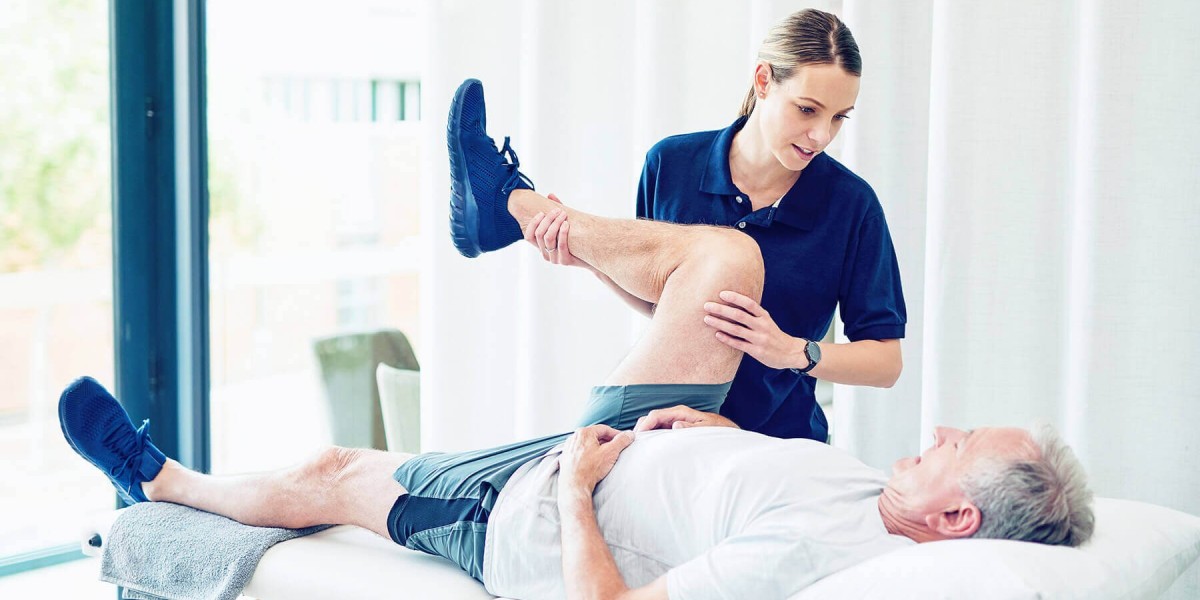

Injuries are an unavoidable reality for millions of people every year. They occur in workplaces, sports fields, homes, and during everyday activities. Some injuries heal quickly with basic care and appropriate rest. Others require structured professional intervention to resolve completely and safely. Physiotherapy is one of the most effective treatments available for a wide range of injuries. It accelerates healing, restores function, and prevents long-term complications from developing. Understanding which injuries respond best to physiotherapy helps patients seek care earlier. Earlier care consistently produces faster and more complete functional recovery. The Niagara region is home to a growing number of residents seeking professional rehabilitation. Knowing your injury type helps you make the most informed care decisions possible.
Musculoskeletal Injuries That Respond Well to Physiotherapy
Musculoskeletal injuries are the most commonly treated conditions in physiotherapy clinics. They involve muscles, tendons, ligaments, joints, and the supporting soft tissues throughout the body. These injuries can be acute — occurring suddenly from trauma or overexertion. They can also develop gradually through repetitive strain and mechanical overuse over time. Physiotherapy addresses both acute and chronic musculoskeletal injuries with genuine clinical precision. Assessment identifies the exact structures involved and the degree of functional impairment. Treatment is individually designed to restore normal movement and eliminate pain completely.
Sprains and Ligament Injuries
Ligament sprains are among the most common musculoskeletal injuries presenting to clinics. The ankle is the most frequently sprained joint in the general population. Knee ligament injuries including ACL and MCL sprains are also extremely prevalent. Wrist and thumb ligament injuries frequently result from falls and sports contact. Sprains range in severity from mild stretching to complete structural ligament rupture. Physiotherapy manages all severity grades through individualized, phased rehabilitation programs. Manual therapy reduces joint swelling and restores early range of motion. Progressive strengthening rebuilds the muscular support around the healing ligament. Proprioceptive training restores the joint's dynamic neuromuscular stability after injury. Without professional physiotherapy, sprains frequently result in chronic instability and recurrent injury.
Muscle Strains and Tears
Muscle strains occur when muscle fibers are overstretched or partially torn during activity. The hamstrings, quadriceps, calves, and rotator cuff are frequently strained in active individuals. Grade one strains cause mild discomfort with minimal functional limitation and bruising. Grade two strains involve partial muscle fiber tearing with significant pain and weakness. Grade three strains represent complete muscle rupture requiring immediate professional intervention. Physiotherapy guides muscle strain recovery through all severity grades and recovery phases. Early sessions focus on protecting the injury and reducing inflammatory pain. Mid-phase treatment progressively reloads the healing muscle with therapeutic exercise. Late-phase rehabilitation restores full strength, flexibility, and functional movement capacity.
Spinal and Back Injuries Treated Through Physiotherapy
Spinal injuries are among the most functionally limiting and commonly treated conditions in physiotherapy. The lumbar and cervical spine are the most frequently affected regions in adults. Back and neck pain significantly affect work performance, sleep, and daily quality of life. Physiotherapy addresses spinal conditions with a comprehensive, evidence-based clinical approach. It targets the mechanical causes of spinal pain rather than simply managing symptoms.
Lower Back Injuries and Disc Problems
Lower back pain affects the majority of adults at some point during their lifetime. Disc herniations, facet joint dysfunction, and muscle injuries are frequent causes. Sciatica — radiating leg pain from nerve compression — accompanies many lower back conditions. Physiotherapy effectively treats all of these lower back presentations with individualized care. Spinal mobilization techniques restore restricted movement in the lumbar vertebral joints. Soft tissue therapy releases the deep paraspinal muscular tension perpetuating daily pain. Core stabilization exercises rebuild the deep muscular support the lumbar spine requires. Neural mobilization techniques restore normal sciatic nerve mobility and reduce radiating symptoms. Most patients avoid surgery entirely with appropriate and timely professional physiotherapy care.
Neck Injuries and Cervical Dysfunction
Neck injuries from whiplash, poor posture, and repetitive strain are extremely common. The cervical spine supports the head and is highly susceptible to mechanical dysfunction. Physiotherapy addresses neck pain through cervical mobilization and targeted therapeutic exercise. Manual therapy reduces joint compression and releases the chronically tight cervical musculature. Postural correction exercises address the forward head positioning driving most chronic neck pain. For residents in the Niagara region seeking comprehensive rehabilitation, st catharines physiotherapy at Proactive Centre provides expert, individualized treatment for all spinal and musculoskeletal injury types. Home exercise programs maintain the mobility and strength gains achieved in clinical sessions. Most cervical conditions resolve significantly with six to twelve weeks of professional physiotherapy.
Sports and Overuse Injuries Managed Through Physiotherapy
Sports injuries account for a significant proportion of physiotherapy clinical practice. They range from acute traumatic injuries to chronic overuse conditions developing over months. Both competitive athletes and recreational exercisers benefit enormously from physiotherapy care. Professional physiotherapy addresses sports injuries with sport-specific knowledge and evidence-based precision. Return-to-sport programs ensure athletes resume competition safely and completely.
Common Overuse Injuries and Their Physiotherapy Management
Overuse injuries develop when repetitive loading exceeds the tissue's capacity to recover. Plantar fasciitis causes debilitating heel pain in runners and those standing for hours. Achilles tendinopathy affects runners and jumping athletes across all competitive levels. Tennis elbow and golfer's elbow cause forearm pain with gripping and wrist movements. Patellofemoral pain syndrome produces anterior knee pain during stairs and prolonged sitting. Rotator cuff tendinopathy affects overhead athletes and workers across all industries. Physiotherapy addresses overuse injuries by modifying load, improving mechanics, and rebuilding capacity. Eccentric exercise programs are particularly effective for tendinopathy rehabilitation and recovery. Biomechanical analysis identifies the movement faults perpetuating tissue overload over time.
Post-Surgical Rehabilitation After Orthopedic Procedures
Post-surgical rehabilitation is one of the most specialized applications of physiotherapy practice. Surgery creates tissue trauma that requires carefully guided professional rehabilitation to heal. ACL reconstruction is one of the most complex athletic surgeries requiring extended rehabilitation. Hip and knee replacement surgeries require progressive physiotherapy for complete functional recovery. Rotator cuff repair necessitates phased, carefully progressed strengthening and mobility work. Physiotherapy begins very early post-surgery to prevent complications and accelerate healing. Gentle range-of-motion exercises initiate tissue healing and prevent joint contracture development. Progressive strengthening rebuilds the muscular support around the surgically repaired structure. Return-to-function criteria guide the safe resumption of all daily and athletic activities.
When to Seek Physiotherapy for Your Injury
Knowing when to seek physiotherapy is as important as knowing what it can treat. Any injury causing significant pain, swelling, or functional limitation deserves professional assessment. Injuries that do not meaningfully improve within one to two weeks warrant physiotherapy evaluation. Recurring injuries in the same area strongly indicate an underlying problem requiring professional care. Post-surgical patients should begin physiotherapy as soon as their surgeon recommends beginning. Athletes returning to sport after injury benefit greatly from criteria-based physiotherapy guidance. Older adults with any fall-related injury should seek immediate physiotherapy assessment. Early professional intervention consistently produces faster, more complete, and more durable recovery outcomes.
The Importance of Not Delaying Professional Care
Delaying physiotherapy after injury allows secondary problems to develop and deepen. Scar tissue formation restricts movement if not addressed early through professional mobilization. Muscular weakness deepens with prolonged inactivity and avoidance of the injured area. Compensatory movement patterns become ingrained and stress additional healthy structures. Fear of movement develops and actively slows recovery when left professionally unaddressed. These secondary problems become increasingly difficult and time-consuming to resolve over time. Seeking physiotherapy promptly prevents all of these avoidable complications from occurring. The cost of early professional care is always far less than managing chronic dysfunction. Every injury deserves the best possible recovery — professional physiotherapy provides exactly that.