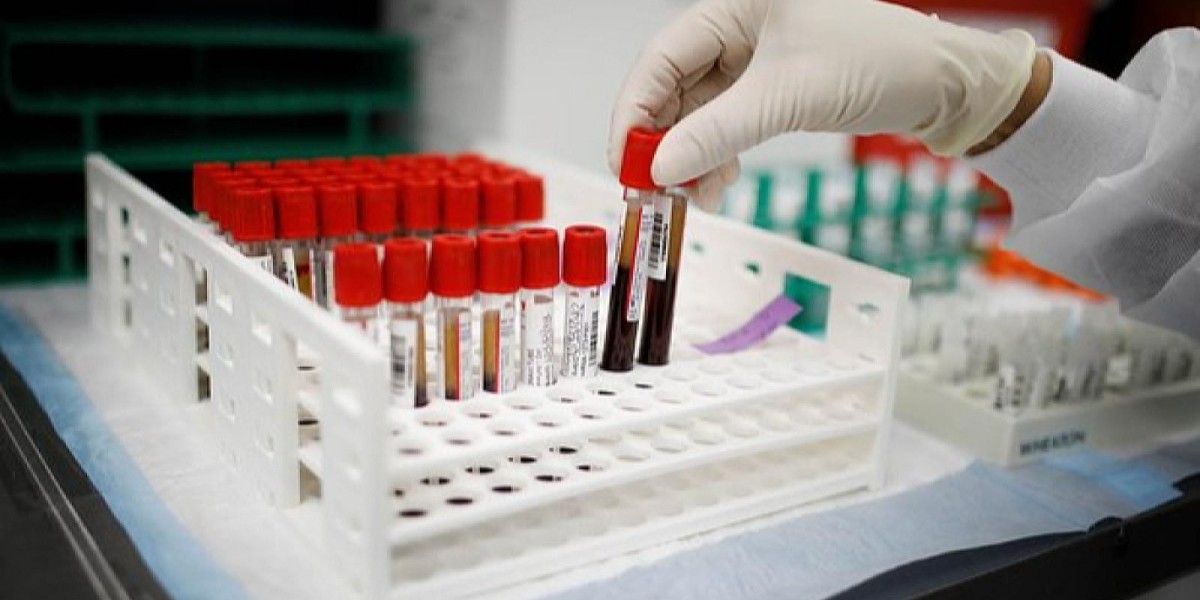

Hormones work together to regulate many processes in the body, including metabolism, energy use, blood pressure, and the response to stress. A Cortisol Blood Test Dubai measures cortisol levels and may be used when a healthcare professional wants to investigate certain hormonal or adrenal concerns. A Blood test in Dubai can also evaluate other hormones and health markers as part of a wider laboratory assessment.
What Is Cortisol?
Cortisol is a hormone produced by the adrenal glands. It plays an important role in the body's response to physical and psychological stress and supports several other functions.Cortisol production follows a natural daily rhythm, so levels are normally different in the morning compared with later in the day.
What Does Hormonal Balance Mean?
Hormonal balance does not mean that every hormone remains at a fixed level. Hormones naturally fluctuate according to the time of day, age, activity, sleep, nutrition, and other physiological factors.The goal of hormone evaluation is to determine whether hormone production is appropriate for the individual's circumstances.
Why Is Cortisol Important?
Cortisol contributes to several essential functions.
Stress Response
Cortisol helps the body respond to physical and psychological stress.
Metabolism
It participates in the way the body uses and manages energy.
Blood Pressure
Cortisol contributes to maintaining normal cardiovascular and fluid-regulation processes.
Immune Activity
The hormone also interacts with the immune system and inflammatory processes.
When Is Cortisol Testing Recommended?
A healthcare professional may recommend testing when symptoms or other clinical findings suggest that cortisol production should be investigated.Testing may be considered when there are concerns about unusually high or low cortisol levels or possible adrenal dysfunction.
Signs That May Lead to Testing
Certain changes may prompt a healthcare professional to investigate cortisol levels.These can include unexplained weight changes, persistent weakness, unusual blood pressure changes, skin changes, or other symptoms associated with possible endocrine disorders.However, these symptoms can have many causes and do not confirm a cortisol abnormality.
How Does a Cortisol Blood Test Work?
A healthcare professional collects a blood sample, usually from a vein in the arm.The laboratory analyzes the sample and reports the measured cortisol concentration along with a reference range appropriate for the testing method and collection conditions.
Why Is Test Timing Important?
Cortisol follows a circadian rhythm. Levels generally rise around the early part of the day and decrease later.For this reason, your healthcare provider may specify a particular time for sample collection.
What Can Affect Cortisol Levels?
Stress
Physical and emotional stress can temporarily influence cortisol production.
Sleep
Changes in sleep patterns can affect the body's natural hormonal rhythm.
Exercise
Intense physical activity may temporarily alter cortisol levels.
Medication
Some medications can affect cortisol production or its measurement.Always inform your healthcare professional about medications and supplements you take.
Does Fasting Affect the Test?
Fasting is not always required for a cortisol blood test. Requirements may differ when other laboratory tests are performed at the same time.Follow the exact preparation instructions given by your healthcare provider or laboratory.
Understanding Cortisol Results
A cortisol result should be evaluated using the laboratory's reference range and the time of collection.A result outside the expected range does not automatically indicate a specific disease. Further testing may be required depending on the circumstances.
Can Cortisol Testing Confirm Hormonal Imbalance?
A cortisol blood test provides information about one hormone. It cannot independently determine whether all hormones in the body are balanced.If a broader endocrine evaluation is required, a healthcare professional may recommend additional hormone testing.
Cortisol and Other Blood Tests
A Blood test in Dubai can measure different health markers, including blood glucose, cholesterol, blood counts, thyroid hormones, vitamins, and other substances.When evaluating hormonal health, healthcare professionals may select several tests based on symptoms and medical history.
Can Cortisol Levels Change?
Yes. Cortisol changes naturally throughout the day and can also respond to illness, stress, sleep disruption, physical activity, and medication.Therefore, one test represents cortisol levels under particular circumstances rather than a permanent measurement.
Should Everyone Have a Cortisol Test?
Routine cortisol testing is not necessary for everyone.The test is generally most useful when there is a clinical reason to investigate possible abnormalities in cortisol production or adrenal function.
Why Professional Interpretation Matters
Cortisol results can be difficult to interpret without knowing the sample collection time, reference range, medications, symptoms, and medical history.A qualified healthcare professional can determine whether the result requires follow-up or additional testing.
Final Thoughts
A Cortisol Blood Test Dubai can provide useful information when evaluating cortisol production and certain hormone-related concerns. Because cortisol is naturally variable, the result should always be considered within the context of timing and individual health circumstances.