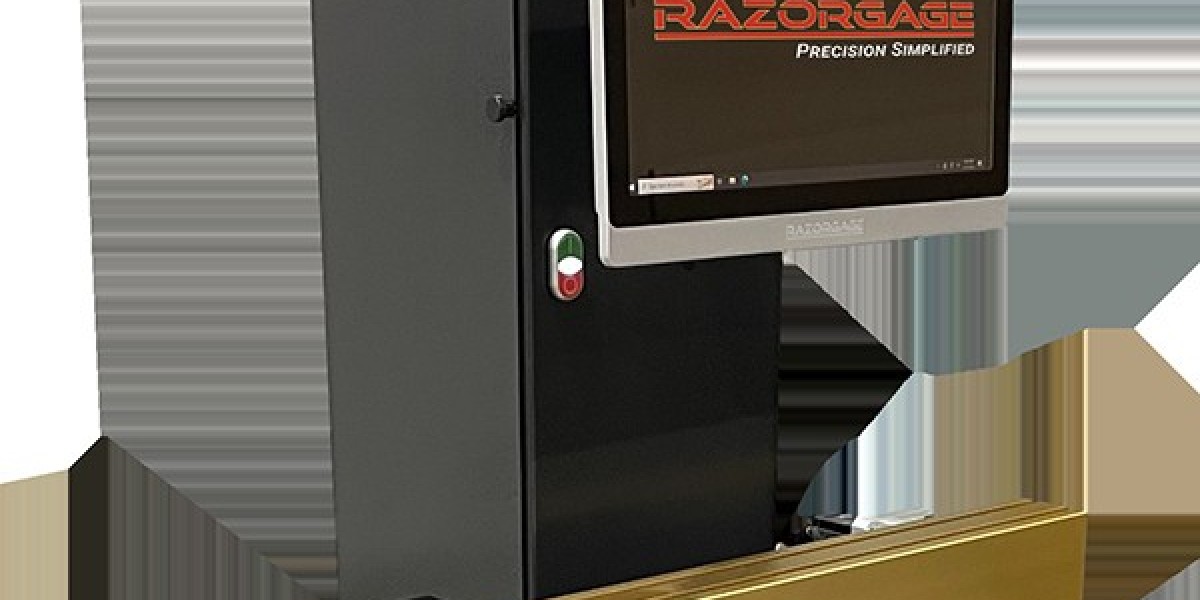

Manufacturing environments depend heavily on precision, and even the smallest miscalculation can lead to wasted material, inconsistent products, and costly rework. Repeat measurement errors have long been a challenge for workshops that rely on manual processes, where human fatigue, inconsistent readings, and simple oversight often creep into daily operations. This is where a programmable saw stop becomes valuable, offering a reliable way to standardize measurements and minimize the chances of repeated mistakes. As industries move toward smarter production methods, automation is reshaping how measurement accuracy is achieved and maintained.
Reasons Why Automating Measurements Prevent Mistakes Essay
It is essential to understand the reasons why people make mistakes when they measure before learning how automation reduces errors during the process. Measuring manually relies on the worker’s eyesight, experience, and accuracy to ensure all cuts are of the same size. However, if they grow tired, they can make mistakes that add up over time, leading to significant wastage of materials.
Why Automating Measurements Reduce Mistakes in the Production Process
The manual process of measuring involves the use of a measuring tool such as a tape measure or a marked line for guidance. Alternatively, the worker can use their hands for comparative purposes. Automated systems, on the other hand, use programs to indicate the cut-off level to provide consistency in the cutting process. This eliminates the possibility of having different sizes after cutting, especially when multiple pieces are required.
How Digital Positioning Software Improves Accuracy
Digital positioning software stores the preferred measurements and uses them as a reference point. Unlike manual positioning and measuring, which requires people to reposition and remeasure multiple times, digital positioning systems save the measurements and use them as a reference point for cutting. This makes it easier to produce multiple pieces of the same size using the computerized machine, as compared to doing it by hand, which can result in multiple errors over time.
How Automated Measuring Saves Materials and Costs for Wood Processing Companies
When measuring manually, there is a high possibility of making mistakes, which leads to a waste of resources due to the need to redo the process. However, automated measuring systems reduce the possibility of mistakes, thus saving materials and reducing costs. For instance, during the cutting process, every board that does not meet the required standards is wasted, adding up over time, especially when working with large volumes.
How Planning Software Prevents Errors Before They Occur
Planning software helps to minimize errors by allowing the operator to plan how best to achieve the desired results. For instance, when using a sawing optimizer, it is possible to determine how best to cut the materials to avoid wastage of resources due to the mistakes that may occur during the cutting process. The use of such software together with automated measuring systems reduces the likelihood of errors during cutting.
How Automating Measuring Makes It Possible to Maintain Consistent Sizes Throughout the Project
Manual measuring can be done differently depending on the operator’s skill and accuracy. However, automated measuring systems provide consistency in all measurements as long as the initial settings have been maintained. This eliminates the possibility of having inconsistent sizes when different operators are involved at different stages of production, a characteristic that is evident when using manual measuring systems.
How Automating Measuring Makes It Possible to Keep the Same Standards Over Time
Automated measuring systems rely on digital positioning systems to indicate where the cut should be made. As such, it is always possible to maintain the same level of accuracy throughout the entire process as compared to manual measuring, which can be affected by fatigue. The maintenance and proper use of manual tools are also key in ensuring that the same standards are maintained over time.
How Wood Processing Companies Can Prepare Their Workers for the Trend toward More Automated Measuring Processes
It is expected that the manual process of measuring will gradually decrease due to the several advantages provided by automated measuring systems. Wood processing companies should invest in automated measuring systems to ensure they are ready to implement the new technology to scale their production process while eliminating the possibility of errors.
Conclusion
Reducing repeat measurement errors requires more than just careful manual effort. It requires systems designed to maintain consistency regardless of human fatigue or variability. Automated measuring tools, supported by thoughtful planning through saw optimization software, help workshops achieve a level of precision that manual methods cannot reliably sustain. As automation continues to evolve, its role in minimizing errors and improving overall efficiency will only become more significant.
FAQs
Why do repeat measurement errors happen so often in manual cutting?
Human fatigue, inconsistent technique, and lack of standardized tools are the main reasons behind repeated measurement mistakes.
Does automation completely eliminate the need for human oversight?
No, automation reduces repetitive errors but still requires skilled operators for setup, monitoring, and quality control.
How does automated measuring reduce material waste?
By ensuring every cut matches the programmed specification, automated systems prevent miscuts that lead to wasted material.
Is automated measuring suitable for small workshops?
Yes, many small workshops benefit from automation by improving consistency and reducing long-term material costs.