
Dates remain deeply connected to the cultural, religious, and agricultural landscape of the Gulf Cooperation Council (GCC). Strong domestic consumption, favorable cultivation conditions, expanding food processing, and government investment in agriculture are supporting the continued development of the regional date ecosystem. At the same time, technological adoption and improved distribution infrastructure are influencing how dates are cultivated, processed, and brought to consumers.
According to MarkNtel Advisors, the GCC Dates Market was valued at USD 560.85 million in 2025 and is expected to reach USD 685.59 million by 2030, registering a CAGR of 4.10% during 2025–2030. The study covers product types, distribution channels, end-user applications, and individual GCC countries.
Cultural Significance Supports Consumption
Dates have a strong cultural and religious role across GCC countries, particularly during Ramadan. The region's predominantly Muslim population contributes to seasonal demand, while dates also remain part of everyday diets and hospitality traditions.
The combination of cultural familiarity and high regional production provides a strong foundation for consumption. Saudi Arabia, the UAE, Oman, Qatar, Kuwait, and Bahrain all contribute to the region's date cultivation and distribution ecosystem.
Sukkary and Khalas Remain Important Varieties
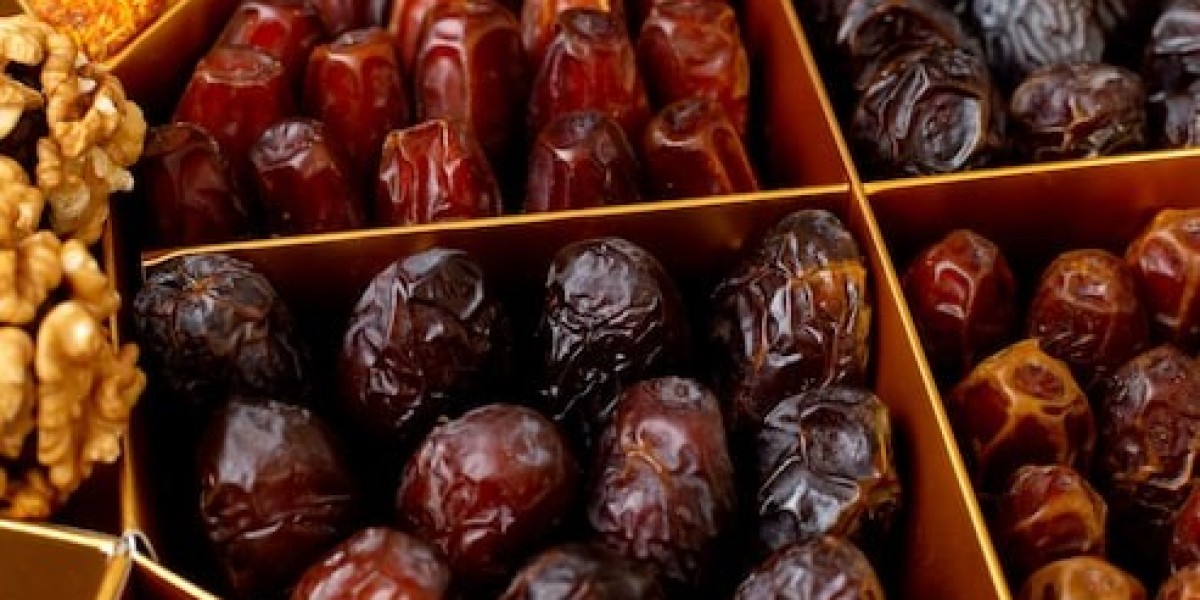
The GCC offers a diverse selection of dates, including Medjool, Barhi, Zahidi, Deglet Noor, Ajwa, Khalas, and Sukkary. According to the study, Sukkary represents the leading product type, supported by its nutritional characteristics, soft texture, moisture content, household consumption, and religious relevance.
Khalas is another prominent variety, benefiting from widespread popularity across Saudi Arabia, the UAE, and Oman. Its relatively affordable positioning also makes it accessible for regular consumption.
Smart Farming Changes Cultivation Practices
Agricultural technology is becoming increasingly relevant to date cultivation across the GCC. Farmers are adopting artificial intelligence, Internet of Things (IoT) sensors, robotics, automation, deep learning, and smart irrigation systems to improve farm management.
These technologies can assist with pest monitoring, irrigation management, and crop productivity. The study highlights developments involving IoT and AI-enabled systems for tracking red palm weevil pests, alongside initiatives exploring AI-supported farming methods.
Government Investment Creates Opportunities
Government programs across GCC countries are supporting date cultivation through funding, agricultural initiatives, farmer assistance, and infrastructure development. Saudi Arabia's National Date Palm Program, the UAE's Date Palm Cultivation Strategy, and Kuwait's Date Farming Enhancement Program illustrate the regional emphasis on strengthening cultivation.
In 2025, Saudi Arabia's National Center for Palms & Dates and the Agriculture Development Fund signed a memorandum concerning smart financial tools for date purchasing. Oman has also supported cultivation through the distribution of traditional date offshoots.
Modern Retail Strengthens Accessibility
Supermarkets and hypermarkets represent the leading distribution channel for dates across the GCC. Their broad physical presence provides consumers with convenient access to different varieties and packaged products.
Specialty stores, online retail, convenience stores, and other channels are also contributing to product accessibility. The expansion of modern retail networks is particularly relevant for reaching consumers in urban, rural, and remote areas.
Saudi Arabia Maintains a Strong Regional Position
Saudi Arabia represents the leading country within the GCC dates landscape, supported by its substantial production capacity and export activity. The country has extensive date-palm cultivation and exports dates to numerous international destinations.
This production base supports both domestic consumption and cross-border trade, while government programs aimed at strengthening cultivation provide additional support for farmers and the wider agricultural ecosystem.
Production Costs and Post-Harvest Losses Remain Challenges
Despite technological and agricultural advances, date producers face challenges related to high cultivation costs. Irrigation, fertilizers, labor, maintenance, harvesting, and advanced farming systems can increase production expenses, while limited water resources in the desert climate add pressure on agricultural operations.
Post-harvest losses are another concern. Pests such as red palm weevils and dust mites, along with bird attacks, can damage crops and affect overall production efficiency.
Value-Added Products Expand Applications
Dates are increasingly being incorporated into processed and value-added products, creating applications beyond traditional whole-fruit consumption. Recent developments include premium packaged products and date-based formulations such as sugar-free creams.
Such product development can broaden the ways dates are consumed while supporting opportunities across food processing, nutraceuticals, and other end-user applications identified in the study.
Conclusion
The GCC dates landscape is being shaped by cultural consumption, strong regional production, government support, modern retail, and increasing adoption of smart farming technologies. Producers are simultaneously navigating challenges involving cultivation costs, water availability, pests, and post-harvest losses.
Continued investment in agricultural technology, cultivation support, processing, and distribution can influence how the region's date ecosystem develops, while established varieties such as Sukkary and Khalas continue to play an important role in consumer demand.