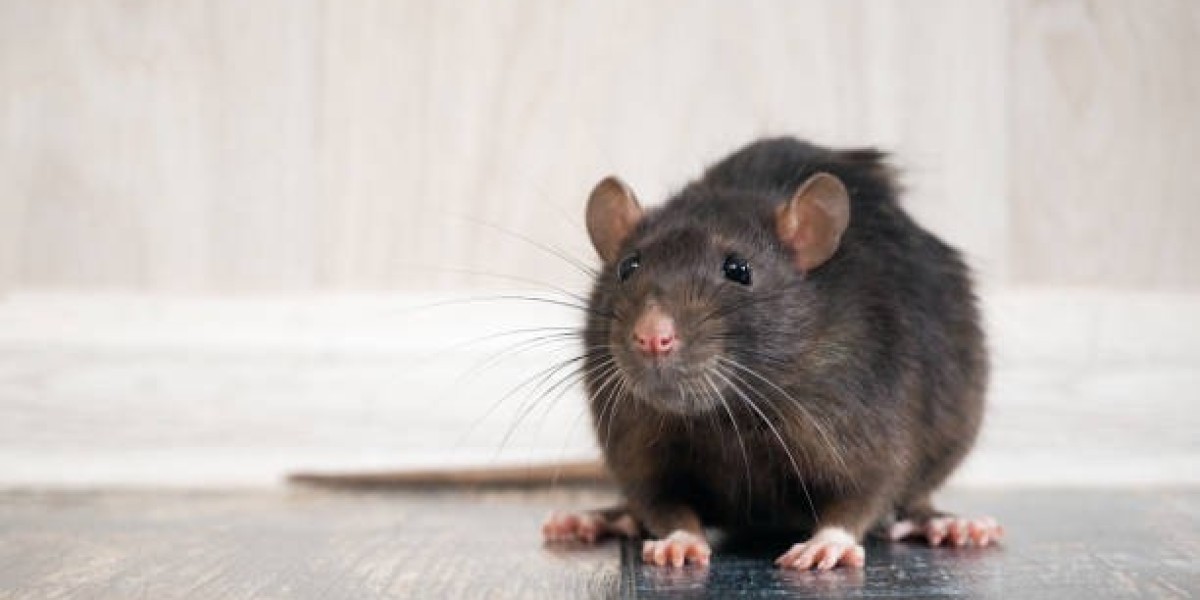

So you've dealt with rodents before, or maybe you're trying to get ahead of it before it even becomes a problem, and now you're seeing this term everywhere, rat proof insulation. Is it legit or is it just a fancier label slapped on regular insulation to charge more. Let's actually break it down.
Regular Insulation Is Basically A Rodent Buffet
I'll just say it plainly, standard fiberglass or cellulose insulation is soft, easy to burrow through, and honestly kind of perfect nesting material if you're a rat or mouse looking for somewhere warm to have babies. It offers zero resistance, they chew through it in minutes, and once they're in there, it holds onto smells and waste for way longer than people expect. If you've ever pulled back insulation after a rodent problem and seen what's left, you know exactly what I'm talking about.
What Makes Insulation Actually Rodent Resistant
The stuff that's actually built to resist rodents usually has something mixed in, things like borate treatments, or it's made from denser materials that are just harder to chew and burrow through compared to regular fluffy insulation. It's not magic, rodents can still technically try, but it slows them down significantly and makes your attic a lot less appealing compared to the easy option next door. Think of it less as bulletproof and more as just a much bigger hassle for them to deal with.
Mice And Rats Aren't Looking For The Same Thing Exactly
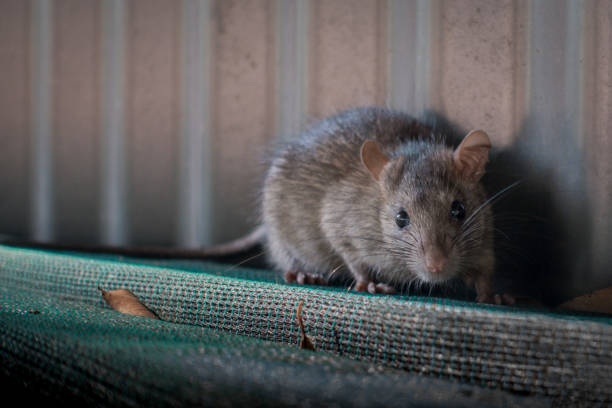
This is worth mentioning because a lot of people lump them together, but mice are smaller and can squeeze through even tinier gaps than rats can. So when people search for the best insulation to keep mice out, they're often dealing with a slightly different challenge, smaller entry points, quicker movement, and honestly sometimes it's harder to catch mice activity early because the signs are more subtle. The good news is a lot of rodent resistant insulation options work against both, since the core idea, harder to chew and less appealing to nest in, applies either way.
It Won't Fix A House With Open Gaps
Here's the thing people get wrong constantly, rodent resistant insulation is not a replacement for actually sealing up entry points. If there's still a gap around a pipe or a hole near your roofline, rats or mice will just come inside anyway and go looking for somewhere else to nest, maybe a closet, maybe inside a wall void, somewhere that's not treated. The insulation upgrade matters, but it's step two, sealing the house up properly always has to come first.
Cost Is Higher, But So Is The Long Term Payoff
Yeah, rodent resistant insulation typically costs more upfront than standard stuff, no way around that. But if you've already dealt with a rat problem once, think about what you spent on removal, cleanup, and replacing damaged insulation the first time around. A lot of homeowners find the upgrade pays for itself just by avoiding that whole cycle happening again a year or two later.
It Makes A Real Difference After An Infestation
If you've just gone through a rodent removal process and your old insulation was contaminated or torn up, this is honestly the ideal time to upgrade instead of just replacing it with the same soft material as before. You're already redoing the insulation anyway, so putting in something more resistant at that point just makes sense rather than setting yourself up to repeat the whole process down the road.
Attics Aren't The Only Spot That Matters
People focus so much on the attic that they forget crawl spaces and wall cavities can be just as vulnerable. Rodents don't only nest up top, they'll find their way into lower areas too if there's access and decent insulation to burrow into. A full approach means looking at every insulated area of the house, not just the obvious one everyone thinks of first.
Ventilation And Moisture Still Matter A Lot
This part gets overlooked but it genuinely affects rodent activity too. Damp, poorly ventilated spaces tend to attract more pests in general, not just rodents, so even with rodent resistant insulation installed, a moisture problem can still make your attic or crawl space more appealing than it should be. Fixing ventilation issues alongside an insulation upgrade just makes the whole setup that much less inviting.
No Insulation Is Truly Rodent Proof, Just More Resistant
I want to be honest here instead of oversellling it, nothing is fully guaranteed against a determined rodent, especially if there's still easy access into the house. What rodent resistant insulation actually does is significantly reduce the appeal and slow down or discourage nesting, which combined with proper sealing gives you a much stronger overall defense. It's part of a bigger strategy, not a standalone silver bullet.
Professional Installation Actually Matters Here
This isn't really a great DIY project if you're serious about it working properly. Getting even coverage, proper thickness, and making sure it's paired correctly with sealing work takes some experience to do right. A rushed or uneven install can leave weak spots that basically undo the whole point of upgrading in the first place.
Wrapping This Up
At the end of the day, rodent resistant insulation isn't just a marketing gimmick, it genuinely makes your attic and crawl spaces less appealing to rats and mice, but it only works as part of a bigger plan that includes properly sealing your home first. Skip that step and even the best insulation in the world won't stop them from finding somewhere else inside to settle in. If you're dealing with rodent issues now or just want to get ahead of it before it starts, Elite Wildlife Services can walk you through what your home actually needs, from sealing to insulation upgrades, so you're not just throwing money at half a solution.
FAQs
Does rat proof insulation really stop rodents completely?
Not completely, nothing really is one hundred percent rodent proof. It significantly reduces the appeal and makes nesting much harder, but it works best combined with properly sealing entry points.
What's the best insulation to keep mice out specifically?
Options with borate treatments or denser rodent resistant materials tend to work well against mice too, since the core resistance applies to both rats and mice. The bigger factor with mice honestly is sealing smaller gaps since they can squeeze through tighter spaces than rats.
Is it worth upgrading insulation if I've never had a rodent problem?
It can be, especially if you're already doing insulation work for other reasons like energy efficiency. It's basically a preventative step that reduces your odds down the line rather than something you only consider after an infestation.
Can I install rodent resistant insulation myself?
You technically can, but getting proper coverage and pairing it correctly with sealing work is where people usually run into trouble on their own. Professional installation tends to catch weak spots that a DIY approach might miss.