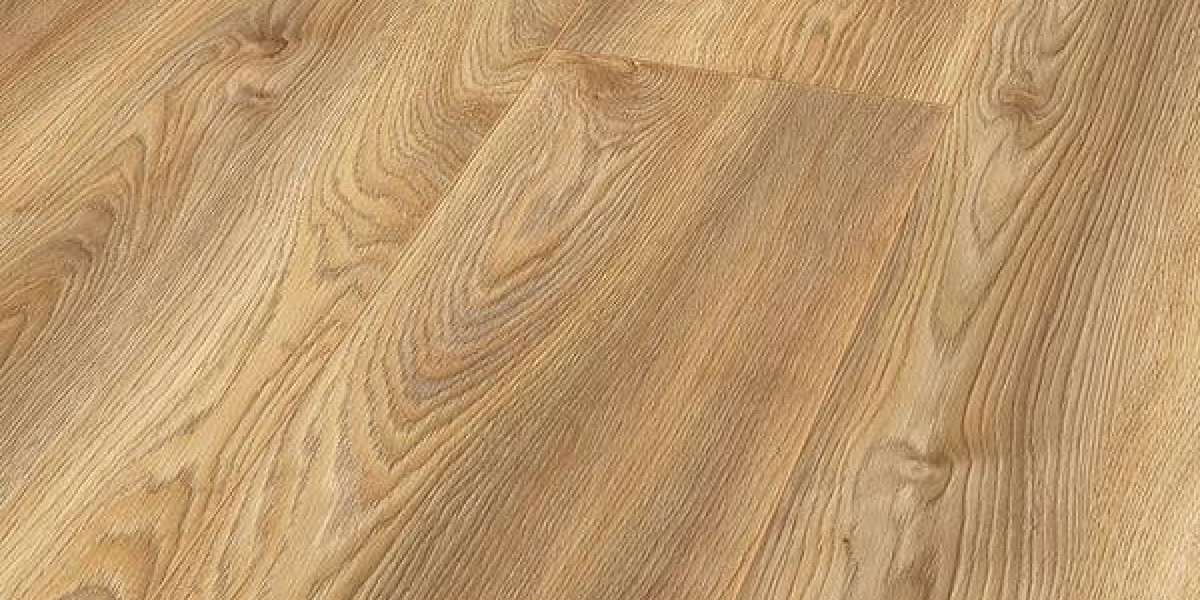

Choosing timber flooring is a long-term investment that can improve the appearance, comfort, and value of a home. Before beginning a renovation or new build, many homeowners want to understand the timber flooring cost involved. The total expense is influenced by several factors rather than a single price per square metre. Elements such as the type of timber, board quality, installation requirements, room size, and preparation work all contribute to the final amount. Understanding these factors can help homeowners plan their budget more effectively and make informed flooring decisions.
Understanding the Key Cost Factors
The cost of timber flooring varies because every project is different. Material selection, installation methods, and the condition of the existing floor all influence the final investment. While some homes require only basic installation, others may need additional preparation or specialised products that increase overall costs.
Type of Timber Flooring
One of the most significant factors affecting flooring costs is the type of timber selected. Solid timber flooring and engineered timber flooring are constructed differently and have different installation requirements. Engineered timber flooring consists of multiple layers with a genuine timber surface, making it a popular choice for many Australian homes because it offers stability and versatility. Homeowners looking to understand more about this flooring option can explore Engineered Timber Flooring to learn about its construction and features. The manufacturing process, board thickness, and finishing methods all contribute to the final price.
Timber Species
The species of timber also plays an important role in determining cost. Australian hardwoods, imported timbers, and premium timber varieties differ in availability, durability, and appearance. Some species feature distinctive grain patterns and colours that are highly sought after, while others are more readily available and therefore less expensive. Harder timber species generally require more processing and can command higher prices due to their strength and longevity.
Flooring Thickness and Quality
Board thickness influences both performance and pricing. Thicker timber boards generally provide greater durability and may be refinished multiple times throughout their lifespan. Engineered timber flooring also varies in the thickness of its hardwood veneer, which affects its long-term performance. Higher quality flooring products often undergo stricter manufacturing standards and provide better stability, consistency, and durability, which can increase the purchase price.
Room Size and Layout
The size of the installation area has a direct impact on project costs because larger spaces require more flooring materials, adhesives, trims, and underlay. Although more materials are needed, larger installations can sometimes reduce labour costs per square metre due to increased installation efficiency.
Room layout is equally important. Straightforward rectangular rooms are generally easier to install than areas containing multiple corners, staircases, built-in cabinetry, hallways, or irregular wall shapes. Complex layouts often require additional cutting and fitting, resulting in increased labour time and higher material wastage.
Subfloor Preparation
Before timber flooring can be installed, the existing subfloor must be inspected to ensure it is level, dry, and structurally sound. If the subfloor contains cracks, uneven surfaces, or moisture issues, additional preparation may be necessary. Concrete grinding, levelling compounds, moisture barriers, or repairs can all increase the total project cost. Proper preparation is essential because it supports the long-term performance and stability of the flooring.
Installation Method
The installation technique selected can also influence overall costs. Floating floors are installed over an underlay without being permanently fixed to the subfloor, often reducing installation time. Alternatively, direct stick installation involves gluing each board directly to the subfloor, which generally requires more labour and preparation. The most suitable installation method depends on the flooring product, subfloor condition, and project requirements.
Labour Costs
Professional installation is another major component of flooring expenses. Labour rates vary depending on the installer’s experience, project complexity, property location, and the amount of preparation required. Skilled installers help ensure the flooring is laid correctly, reducing the likelihood of future problems such as movement, uneven boards, or visible gaps. While professional installation increases upfront costs, it often contributes to better long-term performance.
Surface Finish
Timber flooring products are available in both pre-finished and unfinished options. Pre-finished boards arrive ready for installation, while unfinished timber requires sanding and coating after installation. Site finished flooring usually involves additional labour, materials, and drying time, making it more expensive. Homeowners can also choose between matte, satin, and gloss finishes, each providing a different appearance and level of maintenance.
Additional Materials
Many homeowners focus primarily on the flooring boards themselves, but several additional materials are often required to complete the installation. Underlay, adhesives, expansion trims, skirting boards, transition strips, and scotia all contribute to the overall project cost. Although these items may appear relatively inexpensive individually, together they can represent a noticeable portion of the final budget.
Climate and Environmental Conditions
Australia’s diverse climate can also influence timber flooring requirements. Homes located in areas with higher humidity or varying seasonal conditions may require additional moisture protection or specialised installation techniques to minimise natural timber movement. Allowing timber flooring to acclimatise before installation is another important step that supports long-term stability and performance.
Long Term Value
While initial pricing is important, homeowners should also consider the long-term value of their flooring investment. High-quality timber flooring often provides excellent durability, timeless visual appeal, and the potential for refinishing rather than complete replacement. Ongoing maintenance, including routine cleaning and occasional refinishing, should also be considered when evaluating overall ownership costs. Investing in suitable materials and proper installation can help reduce future repair and maintenance expenses.
In summary, understanding the factors that influence timber flooring cost helps homeowners make informed decisions before beginning a flooring project. Material selection, timber species, flooring quality, room size, installation method, subfloor preparation, labour, and maintenance all contribute to the final investment. Carefully evaluating these factors allows homeowners to establish a realistic budget while selecting flooring that suits both their practical needs and long-term expectations.
Frequently Asked Questions
1. What affects timber flooring pricing the most?
The type of timber flooring, timber species, installation method, and labour requirements are typically the biggest factors influencing overall costs.
2. Does engineered timber flooring cost less than solid timber?
Pricing varies depending on the product, timber species, and construction, but engineered timber flooring can often provide a cost-effective alternative.
3. Why is subfloor preparation necessary?
A level, dry, and stable subfloor helps ensure proper installation and reduces the risk of future flooring issues.
4. Do larger rooms always cost more to install?
Larger rooms require more materials, although installation may become more efficient, which can reduce labour costs per square metre.
5. Are there costs beyond purchasing the flooring?
Yes. Additional expenses may include underlay, trims, adhesives, moisture barriers, skirting boards, and professional installation.