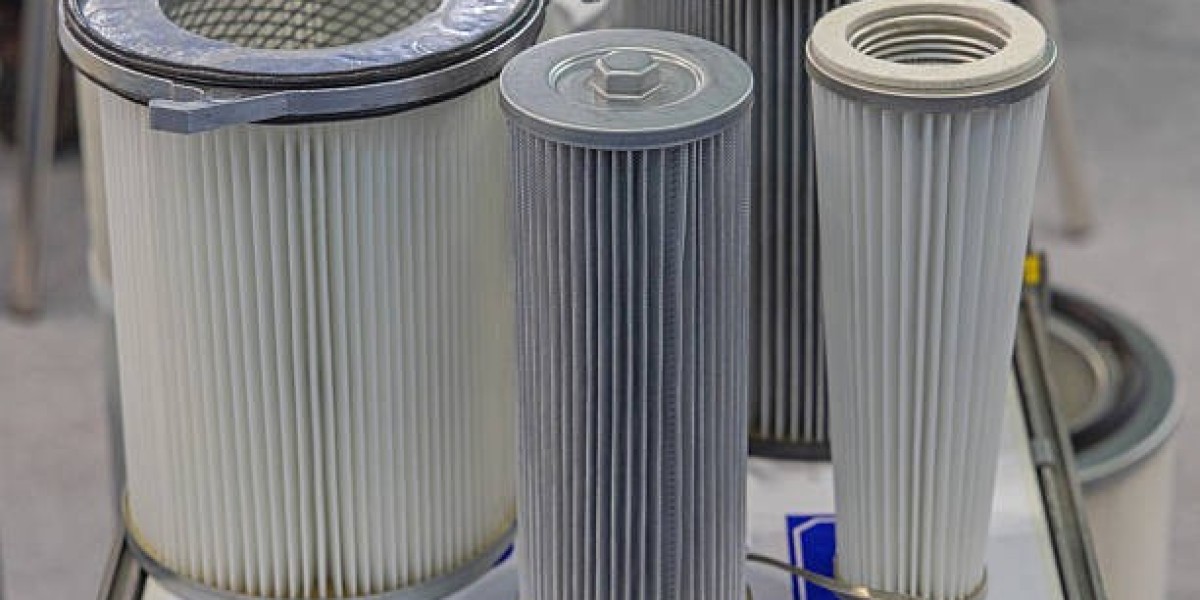

Workplace air quality rules keep getting tighter. OSHA has numbers for silica, welding fumes, metal dust, and a bunch of other stuff. If the air inside the plant stays dirty, you end up with citations, higher insurance, and people calling in sick. A solid dust collector filter cartridge is one of the main tools that actually keeps those numbers in check.
I have walked plants where the collector was running but the filters were half-blinded or the wrong media. Air looked okay near the hood, but further down the shop the dust was still floating. That's when the standards get hard to hit.
What the rules actually care about
OSHA looks at permissible exposure limits over an eight-hour shift. Silica is down to 50 micrograms per cubic meter. Hex chrome is even lower. Welding fumes have their own limits. The agency wants engineering controls first. Dust collection counts as one of those controls. Respirators are the backup, not the main plan.
A good dust collector filter cartridge pulls the fine particles out before they spread. Cartridges with nanofiber or PTFE membrane can hit 99.97 percent on 0.3 micron particles. That is the range that reaches deep into lungs. When the collector is sized right and the cartridges are maintained, the air coming out of the unit or returned to the room stays under the PEL.
Why cartridges beat old bag setups in many shops
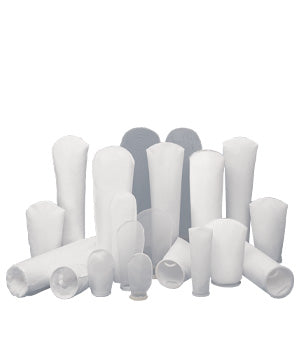
Bag filter housing systems with long fabric bags still work for heavy, hot, or abrasive dust. They take more floor space though. Cartridges pack a lot of media into a smaller box. Lower air-to-cloth ratio means the filter works harder from the first minute. No waiting for a dust cake to form.
In welding, laser cutting, pharmaceutical powder, or concrete work the dust is fine. Cartridges catch it better and keep emissions lower. A bag filter housing might need membrane bags and careful design to match the same numbers. Cartridges often do it with less fuss.
Efficiency that shows up on the meter
Percentages on a brochure do not always match what the inspector measures. Mass efficiency matters more. How many grains or milligrams leave the stack or return to the work area. High-end dust collector filter cartridges with surface-loading media keep the differential pressure lower and the efficiency more consistent over the life of the element.
When air is returned inside the building, secondary HEPA filters are common. The primary cartridge does the bulk work. The HEPA catches anything that slips past. That combination keeps indoor air quality solid and meets the rules for recirculation.
Real plant problems cartridges fix
Fine metal fume from stainless welding. Silica from grinding or cutting concrete. Pharmaceutical powders that cannot escape. In each case the right cartridge media stops the particles before they become an exposure issue. Pulse cleaning keeps the media open longer so the system does not lose airflow halfway through the shift.
I have seen shops drop their measured exposure from above the PEL to well under it just by changing to better cartridges and fixing the air volume. No new hoods, no new duct. Just the right filter media and a collector that was already there.
Maintenance still decides if you stay compliant
Even the best dust collector filter cartridge fails if it stays in too long. Pressure drop climbs. Efficiency can drop. Dust starts escaping. Change them on a schedule or by differential pressure, not when they look dirty. Keep the pulse system working. Leaks around the seals let dirty air bypass the media completely.
Bag filter housing units have their own changeout challenges. Long bags are heavier and harder to handle. Cartridges usually slide in and out faster. Less downtime, less chance of exposure during the swap.
Choosing media for the standard you need
Plain polyester or cellulose blend works for many nuisance dusts. Nanofiber layers raise the efficiency on sub-micron particles. PTFE membrane handles sticky or moist dust and gives surface filtration that cleans easier. Flame-retardant treatments matter when the dust is combustible.
Match the media to the dust and the temperature. Then size the collector so the air-to-cloth ratio remains reasonable. Too high a ratio and even good cartridges load too fast.
Energy and cost side of compliance
Cleaner filters mean lower pressure drop. Fans use less power. Compressed air for pulsing drops when the media releases dust easier. Over a year that savings helps offset the higher cost of better cartridges. Staying out of the citation range saves more than any filter ever costs.
When bag systems still make sense
Heavy grain loading, high temperature, or very abrasive dust often favors a bag filter housing. The bags take the abuse better. For fine dust and tight space, cartridges usually win on air quality numbers. Some plants run both. Cartridges near the process, bags for bulk collection further downstream.
Conclusion
Dust collector filter cartridges help plants meet workplace air quality standards by catching the fine particles that cause real exposure problems. High efficiency average, proper sizing, and regular maintenance keep the numbers under the OSHA limits without relying only on respirators. Bag filter housing systems still have their place for heavy or hot dust, but cartridges often deliver cleaner air in a smaller package for the fine particulate that regulations care about most. Pick the right media, keep the system working, and the air stays cleaner for everyone on the floor. That is the practical way to stay compliant instead of chasing problems after the inspector shows up.