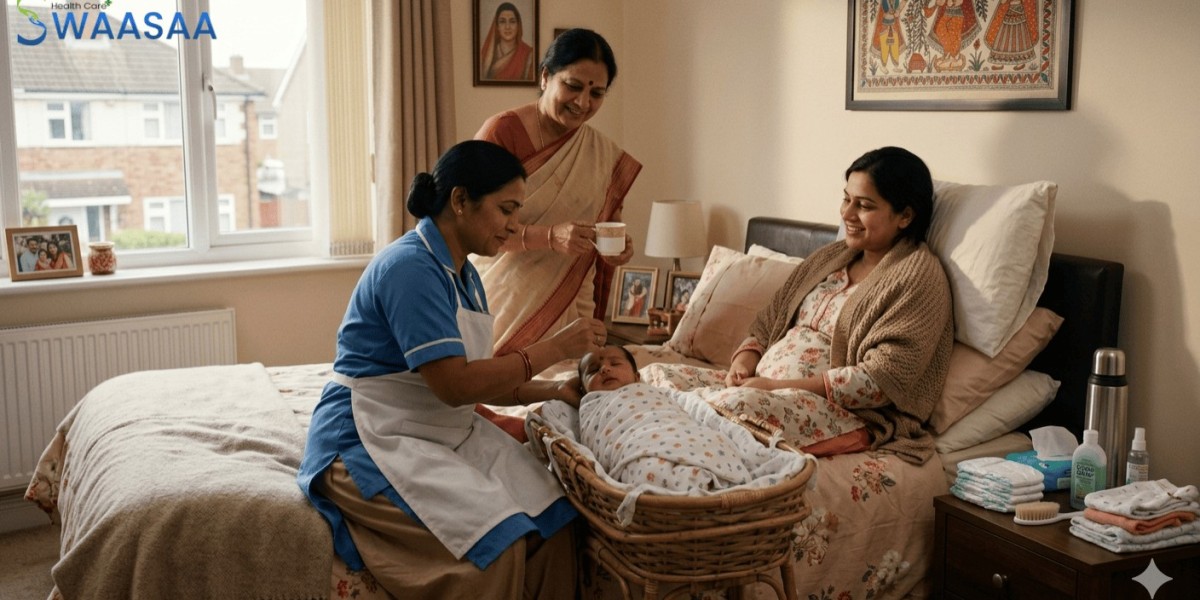

The baby is finally home. There is rejoicing in the household. But amidst all that lovely celebration, the reality of a new mother’s body recovering from delivery, hormone levels rapidly changing, establishing breastfeeding, and the realities of caring around the clock for an infant are already here without adequate recovery and professional assistance that postpartum home care really requires.
This is the very point when postpartum home care services make all the difference for a new mother and a baby in ways that familial love and well-meaning efforts simply cannot replace, no matter how generous and supportive such family members are.
Why Postpartum Care at Home Matters More Than Most Families Realise
The first twelve weeks after birth are among the toughest physical and psychological experiences a woman will ever have. The healing process of giving birth is tough and complicated. Mood swings, hormonal changes and other factors affect the physical condition of the woman and her psychological condition, which may be extremely challenging for a woman without the right professional help. Lack of sleep becomes evident instantly and complicates all the other problems the new mother faces.
However, no medical care at all is provided by professionals after just several days after giving birth in the hospital. The woman is sent home with good wishes and recommendations with an expectation that love of her relatives covers everything the professional medical help cannot cover. However, it is not so in reality. No family support can take the place of the quality professional help that a postpartum period requires.
Quality postpartum home care provides such professional help at the place it should be received.
What Professional Postpartum Home Care Covers
Recovery physical monitoring: Frequent professional visits to monitor vital signs, examine wound healing from both vaginal and caesarean deliveries, assess blood loss, and detect any early signs of infections or complications before they become major medical issues necessitating emergency intervention that will disrupt the whole family at an already challenging time.
Post-delivery massage therapy: The traditional post-delivery massage with warm oil helps with rebalancing hormones, relieves muscle pain, improves blood circulation, and gives deep physical relief that is not possible through rest alone in the challenging period after childbirth whether delivered vaginally or by caesarean delivery and based on individual physical condition.
Breastfeeding assistance and advice: Professional breastfeeding assistance involving latching techniques, nursing positions, supply management, and building up of real confidence makes the difference between an unpleasant and a successful experience for both mom and baby in the crucial first few weeks and months of setting up feeding patterns.
Education on newborn care: Newborn bathing, swaddling, umbilical cord care, positioning, sleeping routines, feeding schedules, and identifying the signs of illnesses can be made much easier by professional assistance as opposed to worrying about them and remaining confused about everything during the difficult initial weeks of parenthood.
Postpartum nutritional assistance: Nutrition during the recovery phase affects a mother’s energy levels, her milk production, and emotional stability. Healing foods which are prepared with the true knowledge and intent help the mother to recover in ways that regular home cooking does not always manage to do without special postpartum nutrition knowledge.
Night-time assistance with sleep: Night time assistance with settling and feeding the baby enables the mother to get much-needed rest as opposed to being deprived of sleep which will worsen her physical and emotional state.
The Emotional Dimension That Deserves Equal Attention
Physical recovery is concrete and quantifiable. Emotional recovery is internal and consistently overlooked regarding its role in the total postpartum experience. The baby blues occur in most women during the first two weeks due to hormone imbalance. If the symptoms remain persistent or become worse, the woman could be suffering from postpartum depression and needs clinical help. Postpartum home health care should be able to conduct emotional assessment, create a safe environment for open communication, and have the clinical skills to recognize the signs of depression in order to refer the mother to a suitable professional in advance.
Every New Mother Deserves This Level of Care
For compassionate, professional and comprehensive postpartum home care services that will ensure proper recovery of new mothers on all possible fronts, Swaasaa Healthcare is your address where you can get the assistance that such a special period in life deserves.