
Ceramic implants can provide a metal-free option for replacing missing teeth, but suitability cannot be determined from material preference alone. A successful implant requires healthy supporting tissues, appropriate jawbone, careful placement, and a restoration that works safely with the patient’s bite.
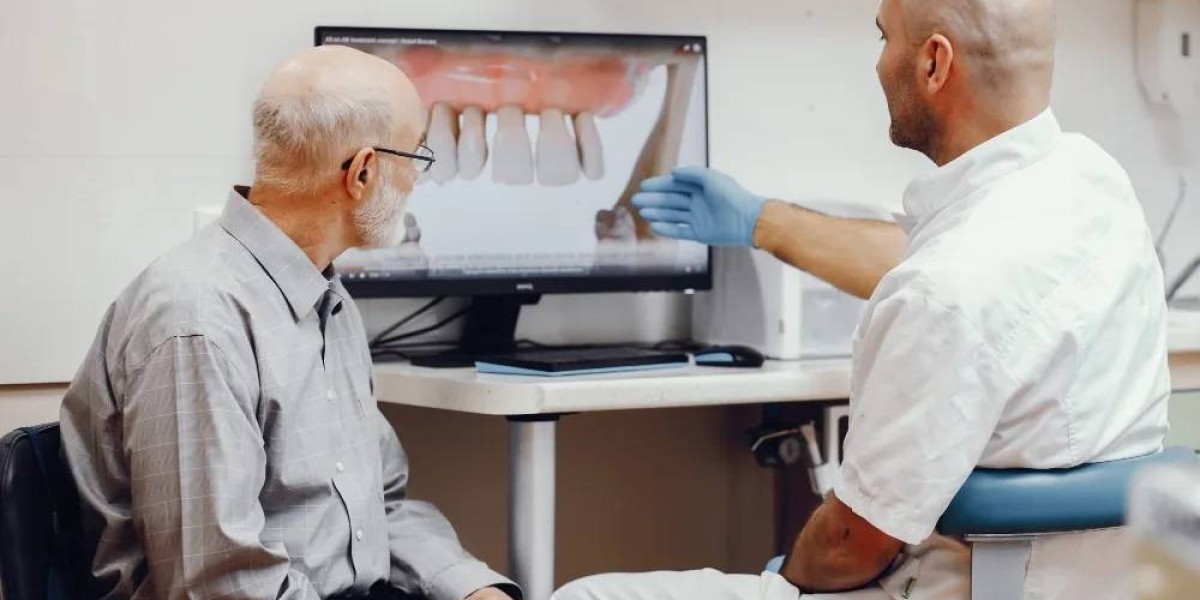
During a consultation for ceramic dental implants Dubai, the implant dentist examines the proposed treatment area and reviews the patient’s dental and medical history. Digital imaging may be used to evaluate bone volume, bone shape, neighbouring roots, and anatomical structures. This information helps determine whether implant placement is possible and which design may be suitable.
Zirconia may appeal to patients who prefer to avoid metal in their dental treatment. Its white colour may also be helpful when gum tissue is thin or when an implant is being considered in a visible area of the smile. However, the appearance of the final tooth depends on the implant position, gum level, crown material, and condition of adjacent teeth.
Candidates for zirconia implants Dubai should have healthy gums or complete any required periodontal treatment before surgery. Active infection and untreated gum disease can affect healing and the long-term health of the tissues surrounding an implant.
Adequate jawbone is another important requirement. If bone volume is insufficient, grafting may be recommended before or during implant placement. The dentist must also evaluate bite forces because heavy clenching or grinding can place additional stress on the implant and crown. A protective appliance may be advised for some patients.
People exploring metal-free implants Dubai must provide complete information about medical conditions, medications, smoking, and previous dental treatment. These factors do not always prevent implant therapy, but they can affect precautions, timing, healing, and treatment selection.
Patient commitment is equally important. Ceramic implants require careful brushing, cleaning between the teeth, and attendance at professional maintenance appointments. The surrounding gums and bone must remain healthy even though the implant and crown cannot develop decay like a natural tooth.
When zirconia is not suitable, the dentist may recommend titanium implants, a bridge, or another restorative solution. A thorough assessment helps patients understand the benefits, limitations, alternatives, and expected treatment stages before making a decision.