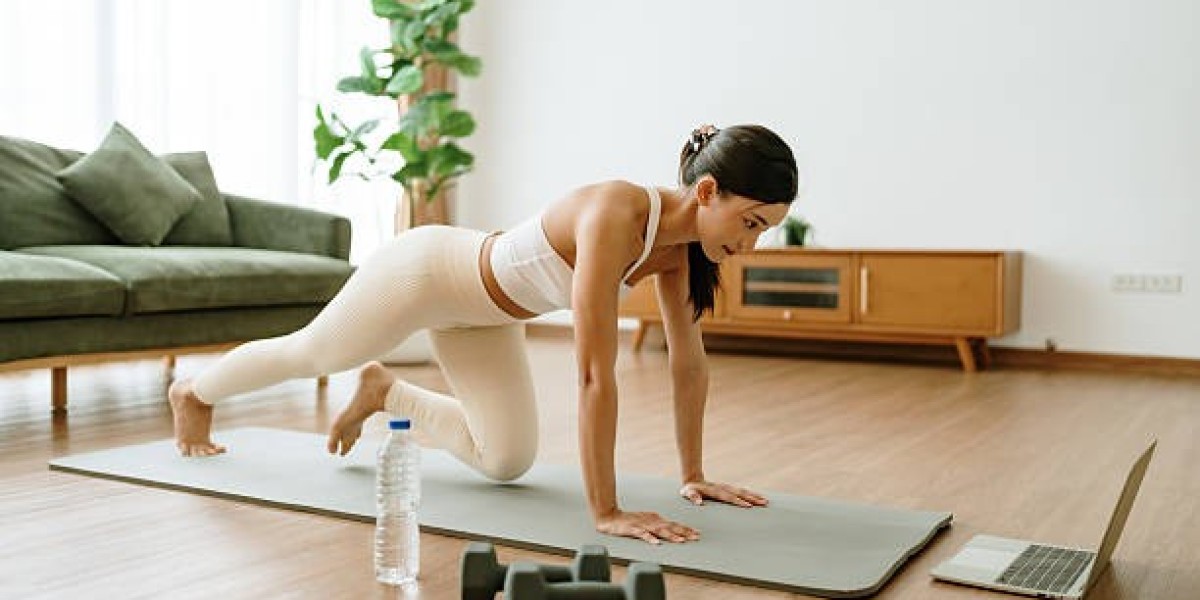

Lots of people have Pilates on their radar for months, sometimes years, before they actually walk into a class. The hesitation makes sense. You're not sure if you need to be flexible already, you don't know what the equipment looks like up close, and you've heard words like "neutral spine" thrown around without any context. Honestly, that uncertainty is enough to keep most people on the fence. If you're somewhere in Chicago and trying to figure out where to start, finding the Best Pilates studio in Chicago IL is a solid first step, but knowing what you're walking into matters just as much. This guide covers the basics: what Pilates actually is, what different class types involve, what a real first session feels like, and what mistakes to skip so you don't waste your first few weeks.
What Pilates Actually Is (And Isn't)
Pilates isn't yoga. People mix them up all the time, but they're pretty different. Yoga is rooted in breath, flexibility, and often a spiritual or meditative framework. Pilates, on the other hand, was developed by Joseph Pilates in the early 20th century as a method focused on controlled movement, core strength, and body alignment. Think of it less as stretching and more as deliberate, precise exercise where your brain is involved the whole time.
The core is the center of almost everything in Pilates. Not just your abs, but the whole group of muscles around your trunk, lower back, hips, and pelvis. Every move you do in class is meant to connect back to that center. You won't be throwing weights around or doing cardio sprints. Slow, intentional repetitions. That's the thing most beginners don't expect.
Breath is also huge. In a general fitness class, nobody tells you when to inhale. In Pilates, your instructor will cue your breath constantly, and for good reason. Proper breathing patterns actually support the deep core muscles you're trying to activate. It takes a few sessions to stop feeling awkward about it, but it clicks eventually.
Mat vs. Reformer: Which Class Should You Start With?
Two main formats exist: mat Pilates and reformer Pilates. Mat classes use your bodyweight and sometimes small props like resistance bands or a small ball. Reformer classes use a sliding carriage machine with springs that add or reduce resistance depending on the exercise. Both are legitimate. But they're not the same experience at all.
For absolute beginners, mat classes are usually the better starting point. You're not managing equipment on top of learning new movement patterns, so you can focus on form. That said, some studios do offer beginner-specific reformer sessions that are designed to introduce you to the machine slowly. Worth asking about before you book.
If you're doing Pilates in Chicago IL, you'll find that most studios offer both formats, and a handful run small-group classes that are specifically labeled for beginners. Those smaller classes are worth it early on. You get more attention from the instructor, and you're less likely to pick up bad habits in the first few weeks.
What Your First Session Actually Looks Like
Show up a few minutes early. Most studios will have you fill out a quick intake form about any injuries or physical limitations. Good instructors actually read these. If you have a bad knee or a history of lower back problems, say so upfront.
A typical beginner mat class runs about 45 to 55 minutes. You'll start with some gentle warm-up movements to find your breath and settle into the pace. Then you move into foundational exercises like the hundred, single leg circles, or the bridge. None of these are complicated, but the instructor will give you a lot of cues about where to place your pelvis, how to breathe, and where you should feel the work. Listen more than you look around the room.
The cool-down is usually short but feels good. A bit of spinal mobility, maybe some hip stretching. You probably won't feel destroyed after your first class. A little sore in places you forgot existed, yes. But not wrecked. That's actually a sign the method is working the way it's supposed to.
Real Benefits Beginners Notice in the First 4 to 8 Weeks
People don't always see dramatic physical changes in the first month. But they feel them. Better posture is usually the first thing people notice, often because their desk-job slouch starts to bother them more now that they're aware of it. Core stability improves noticeably, especially for people who've never trained those deeper muscles before.
Research backs this up. A number of studies have looked at Pilates as a tool for improving posture and reducing lower back pain, and the results are consistently positive for beginners who stick with it. The National Institutes of Health published research on Pilates and chronic low back pain showing meaningful improvements in pain and function after just a few weeks of regular practice.
Flexibility tends to improve gradually, not overnight. Most beginners also report sleeping better and feeling less mentally cluttered after sessions. That last part surprises people. Because you have to focus so hard on what your body is doing, there's not much room for your brain to run through your to-do list. It's kind of meditative in that way, even though it's not yoga.
If you're looking for a studio that works with beginners specifically, Better Posture Pilates is one option people in Chicago's West Loop area mention pretty often for their structured approach to new students.
Common Beginner Mistakes Worth Avoiding
Holding your breath is the big one. Seriously. Almost every first-timer does it when an exercise gets hard. But holding your breath actually disengages the deep core muscles you're trying to work. When you feel the urge to hold, that's usually when you need to exhale deliberately.
Rushing through reps is another common issue. Pilates rewards slow movement. If you're flying through a set of leg circles, you're probably using momentum instead of muscle control. Slower is almost always harder, and harder is the point.
Skipping beginner classes to jump straight into an intermediate or advanced session is a mistake some people make, especially if they're already fit from other workouts. Running fitness or gym strength doesn't transfer the way you'd expect. The movement vocabulary in Pilates is specific, and you really do need to build it from the ground up. A few foundational sessions save you a lot of confusion later on.
And don't skip the instructor cues because you're too busy watching other people in the class. Your form matters more than keeping up. If the class is moving faster than you can follow with good technique, slow down and do fewer reps correctly. Every good instructor will tell you the same thing.
For anyone doing Pilates in Chicago IL, the best Pilates studio in Chicago IL for your needs is the one where the instructors actually teach, not just demonstrate and walk away. Small class sizes, clear beginner progressions, and instructors who correct your form without making you feel embarrassed. Those three things matter more than the equipment or the decor.
Frequently Asked Questions
Do I need to be flexible before starting Pilates?
No. Flexibility is something Pilates helps you build over time, not something you need to bring with you. Most beginners aren't flexible, and that's completely fine. The exercises are adaptable, and good instructors will offer modifications so you can do the movement at your current range of motion.
How many times a week should a beginner practice Pilates?
Two to three times a week is a solid starting point. That's enough frequency to start building muscle memory and see real progress without overdoing it. Once a week can work too, but progress will be slower. Consistency matters more than intensity in the early stages.
Is Pilates good for people with back pain?
It can be, but check with your doctor or physical therapist first if you have an existing injury or diagnosis. For general back tightness or postural issues from sitting all day, Pilates is often recommended. The focus on core stability and spinal alignment tends to help. Just let your instructor know about any pain before class starts.
What should I wear to a Pilates class?
Fitted workout clothes work best. Baggy shirts tend to fall over your face during floor exercises, which gets old fast. Grip socks are usually required at reformer studios and recommended for mat classes too. Most studios sell them at the front desk if you don't have a pair.
How long before I see results from Pilates?
Most beginners notice changes in how they feel, posture, less back tension, better body awareness, within three to four weeks of regular practice. Visible physical changes take longer, usually six to eight weeks minimum. The mental and functional benefits tend to show up first, and honestly, those are the ones that keep most people coming back.
Starting something new always feels a bit awkward at first. Pilates is no different. But the learning curve is shorter than most people expect, and the payoff for sticking with it through those first few sessions is real. Give it four weeks with an open mind and see what happens.