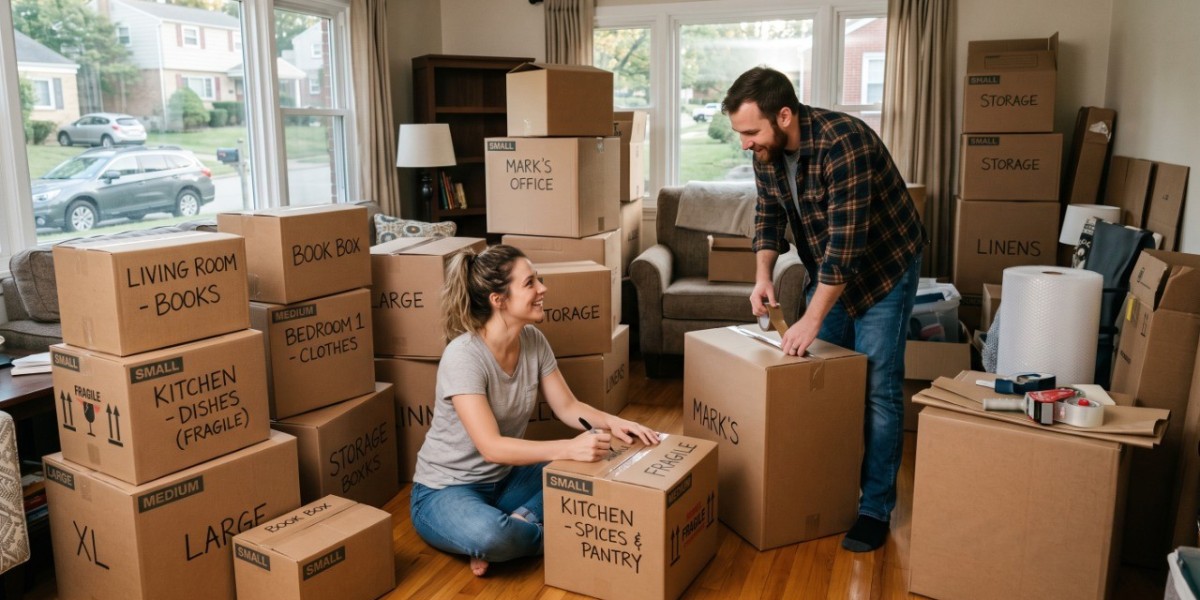
How Many Cardboard Boxes Do You Need to Move?

Comentarios · 11 Puntos de vista

Wondering how many cardboard boxes you need to move? Use this complete guide and learn how My Good Movers moving box calculator helps you estimate accurately.

Moving to a new home is exciting, but one of the biggest questions people ask before packing is, "How many cardboard boxes do I need to move?" Buying too few boxes can delay your move, while buying too many wastes money and storage space.

The good news is that estimating the right number of boxes doesn't have to be difficult. With a reliable moving box calculator, you can quickly determine the number of boxes based on your home size, number of rooms, and belongings.

Why Estimating Moving Boxes Matters

Many people underestimate the number of boxes required for a move. They often think they can pack everything into a few large boxes, only to realize halfway through packing that they need many more.

Estimating your boxes correctly helps you:

  • Stay organized
  • Reduce last-minute shopping trips
  • Protect fragile belongings
  • Avoid overloading heavy boxes
  • Save money on packing supplies
  • Speed up packing and unpacking

Proper planning also allows professional movers to estimate truck space and moving costs more accurately.

Factors That Determine How Many Boxes You Need

There isn't a one-size-fits-all answer because every household is different. Several factors affect the number of cardboard boxes you'll need.

1. Size of Your Home

The larger your home, the more belongings you probably have.

Here's a general estimate:

Home SizeEstimated Boxes
Studio Apartment15–25
1 Bedroom20–40
2 Bedroom40–60
3 Bedroom60–90
4 Bedroom90–120
5+ Bedroom120–180+

These numbers can vary depending on your lifestyle and storage habits.

2. Number of Occupants

A family of five naturally owns more clothing, kitchen items, books, and personal belongings than someone living alone.

Each additional person usually adds:

  • 10–20 small boxes
  • 5–10 medium boxes
  • Several wardrobe or specialty boxes

3. Lifestyle

Minimalists often need fewer boxes than collectors.

If you own:

  • Large book collections
  • Seasonal decorations
  • Sports equipment
  • Hobby supplies
  • Craft materials
  • Collectibles

You'll likely need significantly more packing supplies.

4. Storage Areas

Don't forget spaces like:

  • Garage
  • Basement
  • Attic
  • Storage shed
  • Closets
  • Pantry

Many homeowners forget to include these areas when estimating moving boxes.

Typical Moving Box Breakdown

Instead of purchasing only one box size, professional movers recommend using a mix.

Small Boxes

Best for:

  • Books
  • Canned food
  • Tools
  • Electronics
  • Kitchenware

Typical amount:

20–40% of total boxes.

Medium Boxes

Ideal for:

  • Toys
  • Kitchen appliances
  • Shoes
  • Office supplies
  • Small décor

Usually the most commonly used box size.

Large Boxes

Perfect for:

  • Pillows
  • Blankets
  • Bedding
  • Clothing
  • Lightweight household items

Avoid filling large boxes with heavy items.

Specialty Boxes

Depending on your belongings, you may also need:

  • Wardrobe boxes
  • TV boxes
  • Dish pack boxes
  • Picture boxes
  • Mirror boxes
  • File boxes

These provide extra protection for valuable or awkwardly shaped items.

Use a Moving Box Calculator for Better Accuracy

Instead of guessing, using a moving box calculator provides a more reliable estimate.

A calculator typically considers:

  • Home size
  • Number of bedrooms
  • Number of residents
  • Storage spaces
  • Packing style
  • Amount of furniture
  • Household inventory

Because every move is unique, calculators deliver more personalised estimates than general charts.

My Good Movers offers helpful moving resources while connecting users with trusted moving companies through its comprehensive moving directory. By using a moving box calculator alongside the directory, you can estimate your packing needs and compare professional movers more confidently.

Benefits of Planning Your Boxes Early

Ordering boxes several weeks before moving day provides multiple advantages.

You can:

  • Pack gradually
  • Organize by room
  • Label everything clearly
  • Reduce moving-day stress
  • Prevent rushed packing
  • Find damaged items before the move

Professional movers also appreciate well-packed and clearly labelled boxes, making loading and unloading much more efficient.

How Many Boxes Does Each Room Usually Need?

Estimating boxes room by room can help you create a more accurate packing plan. While every home is different, the following estimates work well for most households.

RoomEstimated Boxes
Kitchen15–25
Living Room10–15
Dining Room5–10
Master Bedroom10–20
Children's Bedroom8–15
Bathroom3–6
Home Office8–15
Garage15–30
Basement15–40
Attic10–25

If your home has extra storage spaces or a large collection of seasonal items, you may need additional boxes.

How to Calculate Your Moving Boxes More Accurately

A simple estimate is useful, but a moving box calculator provides a more personalised result. Before using one, make a quick inventory of your belongings.

Consider:

  • Number of bedrooms
  • Number of people in the household
  • Amount of furniture
  • Number of wardrobes and closets
  • Kitchen appliances
  • Books and collectibles
  • Electronics
  • Garage equipment
  • Outdoor furniture
  • Holiday decorations

The more detailed your inventory, the more accurate your box estimate will be.

When planning your move, My Good Movers makes the process easier by helping you connect with reliable moving companies through its moving directory. After estimating your packing supplies with a moving box calculator, you can compare movers, request quotes, and choose the service that fits your needs.

Common Packing Mistakes to Avoid

Even experienced movers make packing mistakes. Avoiding these errors can save time, money, and frustration.

Buying Every Box in One Size

Using only large boxes makes heavy items difficult to lift. A combination of small, medium, and large boxes keeps your belongings safer and easier to carry.

Overpacking Boxes

Boxes that are too heavy can break or become difficult to move.

Keep heavy items like books, tools, and dishes in small boxes.

Leaving Empty Spaces

Large empty spaces allow items to shift during transport.

Fill gaps with:

  • Packing paper
  • Bubble wrap
  • Towels
  • Blankets
  • Clothing

This helps protect fragile belongings.

Forgetting to Label Boxes

Always label each box with:

  • Room name
  • Contents
  • Fragile items
  • Priority level

Proper labelling makes unpacking much faster after moving day.

Money-Saving Tips When Buying Moving Boxes

Packing supplies can quickly become expensive, but there are several ways to reduce costs.

Reuse Quality Boxes

Friends, neighbours, and family members may have sturdy boxes from recent deliveries or moves.

Buy Bundle Packs

Many retailers offer moving box kits that include different box sizes, tape, and packing paper at a lower price than buying everything separately.

Declutter Before Packing

Donate, recycle, or sell items you no longer need. Fewer belongings mean fewer boxes, lower moving costs, and less time spent packing.

Use Household Items as Padding

Instead of purchasing extra packing materials, wrap delicate items with:

  • Towels
  • Blankets
  • Sweaters
  • Bed sheets
  • Socks

This saves space and reduces the need for additional supplies.

How My Good Movers Helps You Prepare for Your Move

Packing is only one part of a successful relocation. Choosing the right moving company is equally important.

As a trusted moving directory, My Good Movers helps homeowners and renters:

  • Compare professional moving companies
  • Find local and long-distance movers
  • Explore moving guides and checklists
  • Estimate packing needs using a moving box calculator
  • Request multiple moving quotes
  • Read company profiles before making a decision

Instead of searching multiple websites, you can use My Good Movers as a convenient resource to organise your move from start to finish.


Frequently Asked Questions

How many cardboard boxes does a one-bedroom apartment need?

Most one-bedroom apartments require between 20 and 40 boxes, depending on the number of belongings and storage areas.

Is a moving box calculator accurate?

Yes. A moving box calculator provides a much better estimate than guessing because it considers factors such as home size, household inventory, and the number of rooms.

Should I buy extra moving boxes?

Yes. Purchasing around 10% more boxes than your estimate ensures you have enough for last-minute items and unexpected belongings.

What box size is best for books?

Small boxes are the safest choice because books become very heavy when packed together.

Can professional movers provide moving boxes?

Many moving companies offer packing supplies or full packing services. Through My Good Movers, you can compare movers that provide boxes and other packing materials as part of their services.


Comentarios