
Introduction
A water tank is an essential part of every home, commercial building, and industrial facility. It stores water for drinking, cooking, bathing, cleaning, and other daily activities. While many people focus on maintaining plumbing systems and water filters, they often overlook the importance of cleaning the water tank itself. Over time, dirt, sediment, rust, algae, bacteria, and other contaminants build up inside the tank, affecting the quality of the stored water.
One of the most common questions homeowners ask is, "How often should you clean your water tank?" The answer depends on several factors, including water quality, tank size, location, and usage. Regular cleaning is essential for ensuring safe, healthy, and clean water throughout the year. This article explains the recommended cleaning schedule, factors that influence cleaning frequency, and tips for maintaining a hygienic water storage system.
Why Regular Water Tank Cleaning Is Important
Water tank cleaning are not self-cleaning. Even if clean water enters the tank, impurities can gradually accumulate inside. Dust, sand, insects, leaves, mineral deposits, and microorganisms settle at the bottom or cling to the tank walls.
Without regular cleaning, these contaminants can:
Reduce water quality
Cause unpleasant odors and tastes
Promote algae growth
Harbor harmful bacteria
Damage plumbing fixtures
Shorten the lifespan of the tank
Routine cleaning keeps the water fresh, protects your health, and helps maintain the efficiency of your water storage system.
Recommended Cleaning Frequency
For most residential properties, experts recommend cleaning the water tank every six months. This schedule helps prevent the buildup of sediment and harmful microorganisms while maintaining excellent water quality.
Commercial buildings, schools, hospitals, restaurants, and factories often require more frequent cleaning because of higher water usage and stricter hygiene requirements. In these cases, cleaning every three to six months may be necessary.
Factors That Affect Cleaning Frequency
There is no one-size-fits-all schedule for water tank cleaning. Several factors determine how often your tank should be cleaned.
1. Water Quality
If your water supply contains high levels of sediment, sand, or minerals, your tank will accumulate deposits more quickly.
Areas with untreated groundwater or poor municipal water quality often require more frequent tank cleaning.
2. Tank Location
Outdoor water tanks are exposed to dust, leaves, insects, bird droppings, and changing weather conditions.
Indoor tanks usually remain cleaner for longer periods because they are better protected from environmental contaminants.
3. Tank Size
Larger tanks store more water and may accumulate greater amounts of sediment over time.
However, smaller tanks with frequent water turnover may also require regular maintenance depending on usage.
4. Water Consumption
Homes with large families use more water than smaller households. Increased water usage means the tank is refilled more often, introducing additional particles and contaminants.
Commercial properties with heavy water usage should inspect their tanks more frequently.
5. Climate Conditions
Warm and humid climates encourage algae, mold, and bacterial growth inside water tanks.
If your region experiences high temperatures throughout the year, regular inspections and cleaning are especially important.
Signs Your Water Tank Needs Cleaning Sooner
Even if six months have not passed, certain warning signs indicate that immediate cleaning is necessary.
Watch for:
Cloudy or discolored water
Unpleasant smell from the water
Strange or metallic taste
Visible algae inside the tank
Sediment in buckets or sinks
Low water pressure
Insects or debris in the water
Frequent plumbing blockages
If you notice any of these issues, schedule a water tank cleaning as soon as possible.
Risks of Delaying Water Tank Cleaning
Ignoring regular maintenance can have serious consequences.
Health Risks
Contaminated water may contain bacteria, viruses, fungi, and parasites that can cause illnesses such as:
Diarrhea
Cholera
Typhoid
Skin infections
Stomach problems
Regular cleaning greatly reduces these health risks.
Plumbing Problems
Sediment and debris can clog pipes, taps, showerheads, and water filters. This can reduce water pressure and increase repair costs.
Damage to the Tank
Mineral deposits and corrosion can weaken the tank over time, leading to cracks, leaks, and expensive replacements.
Routine cleaning helps protect your investment and extends the tank's lifespan.
Benefits of Following a Regular Cleaning Schedule
Cleaning your water tank at recommended intervals offers numerous advantages.
Improved Water Quality
Removing dirt and sediment keeps the water clean, clear, and safe for daily use.
Better Health Protection
A clean tank reduces the growth of harmful microorganisms and lowers the risk of waterborne diseases.
Longer Tank Lifespan
Routine maintenance prevents corrosion and structural damage, helping the tank last for many years.
Lower Maintenance Costs
Preventive cleaning reduces the likelihood of expensive plumbing repairs and emergency maintenance.
Better-Tasting Water
Fresh, clean water has no unpleasant odors or strange tastes, making it more enjoyable for drinking and cooking.
Tips for Keeping Your Water Tank Clean
Between professional cleanings, follow these simple maintenance tips:
Keep the tank tightly covered at all times.
Inspect the tank every few months.
Remove leaves and debris from around the tank.
Repair cracks or leaks immediately.
Prevent sunlight from entering the tank to reduce algae growth.
Install a quality water filtration system if needed.
Schedule professional inspections regularly.
These preventive measures help maintain clean water and reduce contamination.
Should You Hire Professionals?
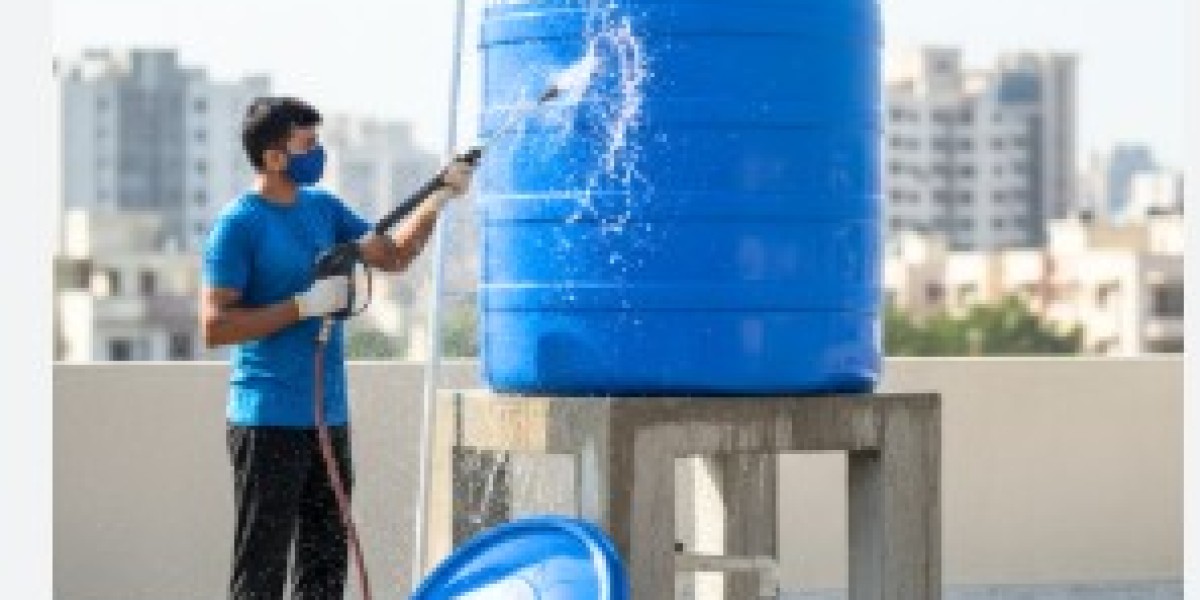
While some homeowners clean their tanks themselves, professional water tank cleaning services provide a more thorough and hygienic solution.
Professional technicians use:
High-pressure cleaning equipment
Food-grade disinfectants
Industrial vacuum systems
Safety gear
Advanced inspection techniques
Hiring professionals ensures the tank is properly cleaned, disinfected, and safe for storing drinking water.
Conclusion
Water tank cleaning is essential for maintaining a safe and healthy water supply. For most homes, cleaning the tank every six months is recommended, while commercial properties may require more frequent maintenance. Factors such as water quality, climate, tank location, and water usage all influence the ideal cleaning schedule.
Regular cleaning removes sediment, bacteria, algae, and other contaminants, ensuring fresh and hygienic water for your family or customers. By following a routine maintenance schedule and addressing warning signs promptly, you can improve water quality, protect your health, extend the lifespan of your tank, and avoid costly repairs.