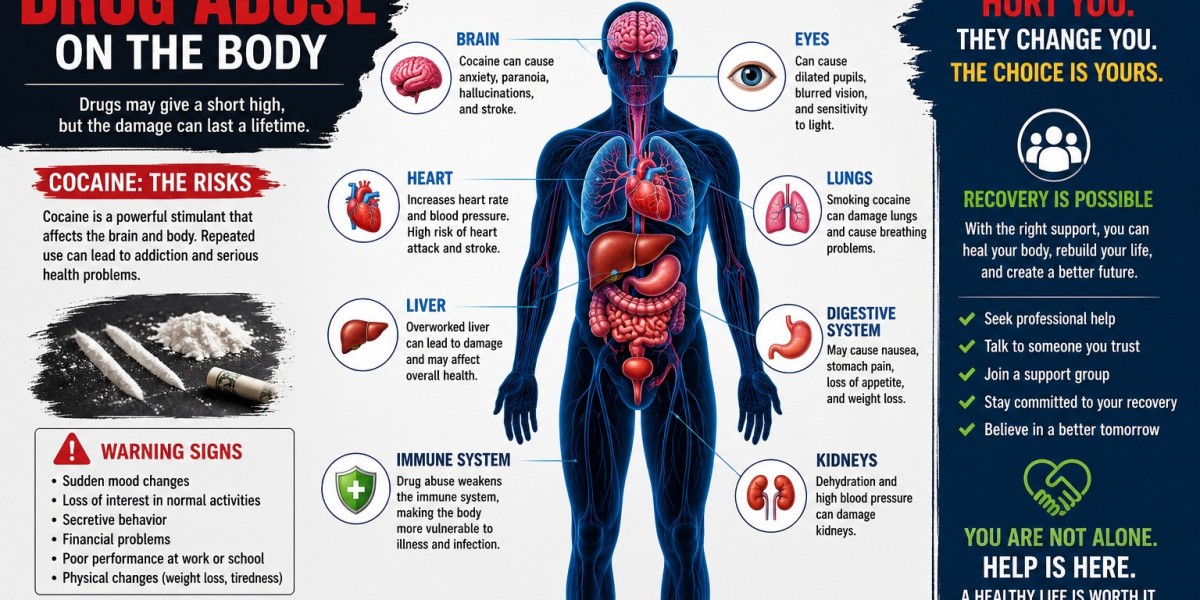

Substance abuse can affect a person's physical health, emotional well-being, relationships, career, and everyday life. When substance use becomes difficult to control, seeking professional help can be an important step toward recovery.
Fortunately, there are many substance abuse treatment options available. Treatment is not the same for everyone. The right approach depends on factors such as the type of substance involved, the severity of the problem, physical health, mental health, living environment, and personal recovery goals.
Understanding the different options can help individuals and families make informed decisions about getting support.
Recovery is possible, and professional treatment can provide the structure, guidance, and encouragement needed to make lasting changes.
What Is Substance Abuse Treatment?
Substance abuse treatment is a collection of services designed to help individuals reduce or stop harmful substance use and improve their overall quality of life.
Treatment may include:
- Medical care
- Withdrawal management
- Individual counseling
- Behavioral therapy
- Group therapy
- Family counseling
- Mental health services
- Residential rehabilitation
- Outpatient programs
- Peer support
- Aftercare planning
The goal is not simply to stop using substances.
Effective treatment also helps people understand the causes of their substance use, identify triggers, develop healthier coping skills, and build a stable life in recovery.
Why Professional Treatment Matters
Many people try to stop using substances on their own.
While some individuals may make progress independently, others need professional support.
Addiction can involve physical dependence, cravings, emotional challenges, and deeply established habits.
Professional treatment provides a structured environment where individuals can receive guidance and support.
Treatment can help people learn how to manage stress, handle difficult emotions, improve relationships, and avoid situations that may increase the risk of returning to substance use.
1. Medical Assessment
A medical assessment is often the first step in treatment.
Healthcare professionals may evaluate a person's physical health, substance use history, mental health, medications, and other relevant factors.
This assessment helps determine the appropriate level of care.
It can also identify medical or psychological concerns that may need attention during recovery.
A personalized treatment plan can then be developed based on the individual's specific needs.
2. Medical Detox and Withdrawal Management
Some substances can cause withdrawal symptoms when a person stops using them.
Depending on the substance and the individual's health, withdrawal can sometimes be uncomfortable or medically risky.
Medical detox provides professional supervision during this stage.
Healthcare professionals can monitor symptoms and provide appropriate medical support when needed.
However, detox is generally only the beginning of treatment.
It addresses the physical process of stopping substance use but does not necessarily address the underlying causes of addiction.
Counseling and ongoing treatment are often important for long-term recovery.
3. Individual Counseling
Individual counseling gives people a private and supportive environment to discuss their experiences.
An addiction counselor can help individuals explore the reasons behind their substance use.
Sessions may focus on:
- Stress
- Anxiety
- Depression
- Trauma
- Relationship difficulties
- Cravings
- Negative thinking
- Personal goals
Counseling can help individuals understand their behavior and develop healthier ways to handle challenging situations.
4. Behavioral Therapy
Behavioral therapy is a common component of substance abuse treatment.
It focuses on understanding how thoughts, emotions, and behaviors are connected.
For example, someone may use substances whenever they feel stressed or overwhelmed.
Therapy can help the person recognize this pattern and develop healthier alternatives.
Over time, new coping strategies can become part of daily life.
5. Cognitive Behavioral Therapy
Cognitive behavioral therapy, often called CBT, can be useful in addiction treatment.
CBT helps people identify unhealthy thought patterns that may contribute to substance use.
A person might believe that using a substance is the only way to relax or cope with emotional pain.
Through therapy, they can learn to challenge these thoughts and consider healthier alternatives.
CBT may also help individuals manage stress, anxiety, depression, and situations that can increase cravings.
6. Group Therapy
Group therapy allows people to connect with others who are experiencing similar challenges.
Participants can share their experiences and learn from one another.
Group sessions can provide:
- Encouragement
- Accountability
- Social connection
- Emotional support
- Practical recovery strategies
Many individuals find group therapy helpful because it reduces feelings of isolation.
It can be comforting to know that others understand the difficulties involved in recovery.
7. Family Counseling
Substance abuse can affect the entire family.
Loved ones may experience stress, worry, frustration, or sadness.
Family counseling can help relatives better understand addiction and learn healthier ways to communicate.
It can also help families establish appropriate boundaries.
Family involvement can be valuable, but loved ones should remember that they cannot control another person's recovery.
Healthy support involves encouragement while maintaining reasonable boundaries.
8. Residential Rehabilitation
Residential rehabilitation programs provide a structured environment where individuals live at a treatment facility.
This type of treatment may be helpful for people who need intensive support or who have an unstable home environment.
Residential programs may include:
- Individual counseling
- Group therapy
- Behavioral treatment
- Medical support
- Recovery education
- Healthy daily routines
- Relapse prevention
The structured setting allows individuals to focus on recovery while receiving consistent professional support.
9. Outpatient Treatment
Outpatient programs allow individuals to receive treatment while continuing to live at home.
This option may be suitable for people who have a stable and supportive living environment.
Outpatient treatment may involve counseling, therapy, medical appointments, and group support.
The intensity of care can vary.
Some individuals may attend treatment several times each week, while others may require less frequent support.
A qualified professional can help determine whether outpatient care is appropriate.
10. Intensive Outpatient Programs
Intensive outpatient programs provide more structured support than standard outpatient treatment while allowing individuals to live at home.
These programs may include several treatment sessions each week.
Services can include:
- Individual counseling
- Group therapy
- Behavioral treatment
- Recovery education
- Relapse prevention
Intensive outpatient care can be useful for individuals who need significant support but do not require residential treatment.
11. Partial Hospitalization Programs
Partial hospitalization programs provide a higher level of structured care without requiring overnight residence.
Individuals may spend several hours each day receiving treatment and return home afterward.
These programs can provide access to medical and behavioral health services.
The appropriate level of care depends on the individual's health and recovery needs.
12. Mental Health Treatment
Mental health and substance use problems can sometimes occur together.
A person struggling with substance abuse may also experience anxiety, depression, trauma, or other mental health challenges.
Some people may use substances to cope with emotional pain.
Comprehensive treatment can address both substance use and mental health concerns.
This approach can help individuals develop healthier coping strategies and improve their overall well-being.
13. Peer Support Groups
Peer support groups provide opportunities to connect with people who have personal experience with addiction and recovery.
These groups can offer encouragement and a sense of community.
Peer support may help individuals stay motivated and feel connected during difficult periods.
For many people, having a supportive recovery network is an important part of maintaining long-term progress.
14. Relapse Prevention
Relapse prevention is an important part of many treatment programs.
Individuals learn to identify situations that may increase the risk of returning to substance use.
Common triggers can include:
- Stress
- Loneliness
- Relationship conflicts
- Financial difficulties
- Certain environments
- Social pressure
- Contact with people associated with past substance use
A relapse prevention plan may involve avoiding high-risk situations, practicing coping skills, maintaining healthy routines, and reaching out for support.
A setback does not mean that recovery has failed.
It can be an opportunity to understand what happened and make adjustments to the treatment plan.
15. Aftercare Services
Recovery often continues after formal treatment ends.
Aftercare services can help individuals maintain the progress they have made.
Aftercare may include:
- Continued counseling
- Peer support
- Medical follow-up
- Mental health services
- Family support
- Relapse prevention planning
Ongoing care can provide encouragement and help individuals manage new challenges.
16. Holistic Support
Some treatment programs incorporate healthy lifestyle activities into recovery.
These may include:
- Exercise
- Meditation
- Mindfulness
- Nutrition education
- Art
- Music
- Outdoor activities
These activities are not replacements for professional treatment, but they may complement a comprehensive recovery plan.
Healthy activities can provide positive ways to manage stress and improve overall well-being.
17. Developing Life Skills
Substance abuse can sometimes interfere with important life skills.
Treatment programs may help individuals improve areas such as:
- Communication
- Time management
- Financial planning
- Employment skills
- Stress management
- Decision-making
- Healthy relationships
Developing these skills can help people create greater stability after treatment.
Choosing the Right Treatment Option
Choosing the right treatment program is an important decision.
Several factors may need to be considered.
These can include:
- The type of substance involved
- The severity of substance use
- Physical health
- Mental health
- Home environment
- Family support
- Treatment intensity
- Personal recovery goals
A qualified healthcare professional or addiction specialist can help determine the most appropriate level of care.
Avoiding Unsafe Online Drug Sources
Individuals struggling with substance use may encounter unsafe online sources when searching for phrases such as Buy Cocaine Online.
Unregulated sources can expose people to counterfeit substances, unknown ingredients, scams, and serious health risks.
Anyone seeking help for substance use should consider speaking with a qualified healthcare professional or addiction counselor instead.
Professional treatment offers a safer approach focused on recovery, health, and long-term well-being.
Recovery Is a Process
Recovery does not happen overnight.
It is a process that may involve progress, challenges, and changes along the way.
Some individuals may need to try different treatment approaches before finding what works best for them.
The important thing is to continue moving forward.
Asking for help is not a sign of weakness.
It is a positive decision that can open the door to meaningful change.
Supporting Someone in Recovery
Family members and friends can play an important role in recovery.
Support may involve:
- Listening without judgment
- Encouraging professional treatment
- Helping maintain healthy routines
- Celebrating positive progress
- Setting healthy boundaries
Loved ones should also take care of their own emotional health.
Supporting someone with addiction can be difficult, and family members may benefit from counseling or support services themselves.
Conclusion
There are many substance abuse treatment options available, and the right choice depends on each person's individual needs. Medical care, detox support, counseling, behavioral therapy, residential rehabilitation, outpatient treatment, group support, family services, and aftercare can all play valuable roles.
The most effective recovery plan is one that addresses the whole person, including physical health, mental well-being, relationships, and daily life.
If you or someone you know is struggling with substance abuse, consider reaching out to a qualified healthcare professional or addiction specialist. Professional support can help identify appropriate treatment options and create a plan for recovery.
Recovery is possible. With the right treatment, supportive relationships, healthy habits, and ongoing care, individuals can overcome many of the challenges associated with addiction and build a healthier and more fulfilling future.