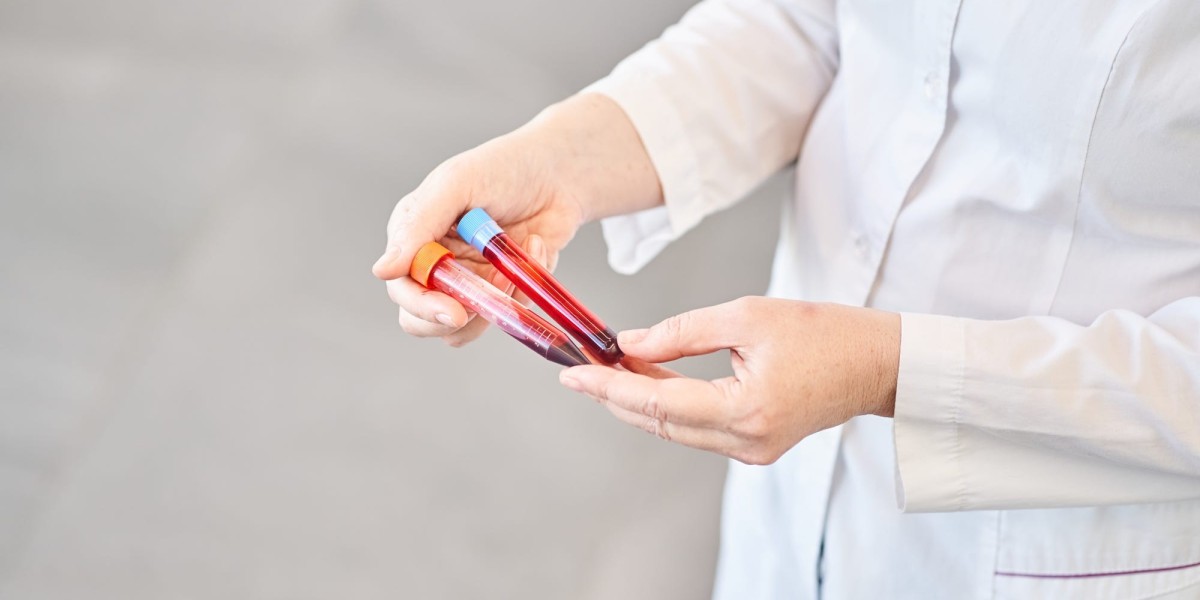

Visa blood tests are a mandatory part of the immigration medical examination process in many countries, yet they are surrounded by confusion, misinformation, and unnecessary fear. Applicants often hear contradictory advice about what these tests involve, what results mean, and how they affect visa approval.
Why Myths Around Visa Blood Tests Exist in the First Place?
Misunderstandings about Visa Blood Test Dubai often come from unofficial sources, hearsay, and outdated information. Because immigration health screening varies slightly by country, applicants assume the process is unpredictable or overly strict.
In reality, visa blood tests follow standardized medical protocols designed to ensure fairness, accuracy, and public health safety. Most myths arise when people misinterpret routine medical procedures as pass-or-fail evaluations.
Understanding the facts helps reduce anxiety and allows applicants to prepare correctly.
A Visa Blood Test Can Automatically Reject Your Visa:
One of the most common misconceptions is that abnormal blood test results automatically lead to visa rejection.
Fact: Results Are Evaluated in Context, Not Isolation
Visa blood test results are not used as standalone rejection criteria. Instead, immigration authorities evaluate overall health, severity of any condition, and treatment status.
Even if a minor abnormality is found during immigration medical examination, applicants are often asked for further tests rather than being rejected outright.
This structured evaluation ensures fair decision-making.
Healthy People Always Pass Without Any Issues:
Many applicants believe that being generally healthy guarantees completely normal results.
Fact: Temporary Factors Can Affect Results
Even healthy individuals may show variations in blood tests due to fasting status, stress levels, hydration, sleep patterns, or recent physical activity.
These temporary fluctuations are common in visa medical screening and do not necessarily indicate disease or disqualification.
Doctors consider these variations during interpretation.
Visa Blood Tests Are the Same in Every Country:
Some applicants assume that immigration medical requirements are identical worldwide.
Fact: Requirements Vary by Country and Visa Type
Each country sets its own immigration health screening rules based on public health policies. Work visas, student visas, and permanent residency applications may have different testing requirements.
While the core structure is similar—infectious disease screening, blood health analysis, and organ function tests—specific protocols differ.
You Can Prepare Only on the Test Day:
A common misunderstanding is that preparation is only needed on the appointment day.
Fact: Preparation Starts Several Days Before the Test
Proper visa blood test preparation begins 2–3 days in advance. Diet, alcohol intake, medication use, and sleep patterns all influence results.
For example, fatty foods or alcohol can temporarily affect liver function tests, while dehydration can impact blood concentration levels.
Proper preparation ensures accurate immigration medical examination results.
Fasting Is Optional for Visa Blood Tests:
Some applicants believe fasting is not always necessary or can be ignored.
Fact: Fasting Is Essential for Accurate Results
Many visa blood tests require fasting for 8–12 hours, especially for glucose and lipid profile analysis.
Fasting ensures stable metabolic readings and prevents temporary dietary effects from distorting results.
Ignoring fasting instructions may lead to inaccurate readings and repeat testing.
All Blood Test Abnormalities Mean Serious Disease:
Many people panic when they see even slight deviations in blood test reports.
Fact: Minor Variations Are Extremely Common
Blood values naturally fluctuate within a normal range due to lifestyle, stress, or recent activity.
Immigration medical officers evaluate whether results fall within acceptable clinical limits, not just whether they are slightly above or below average.
Most minor abnormalities do not affect visa approval.
Visa Medical Tests Are Designed to Reject Applicants:
A widespread fear is that immigration health screening is intended to deny visas.
Fact: The Purpose Is Public Health Safety, Not Rejection
Visa blood tests are designed to ensure safe international travel and protect public health systems—not to exclude applicants unfairly.
The focus is on identifying serious infectious diseases or unmanaged medical conditions that may require attention.
Most applicants pass successfully after routine evaluation.
Myth 8: You Will Get Instant Results During the Test
Some applicants expect immediate feedback after blood collection.
Fact: Results Require Laboratory Analysis
After sample collection, blood tests are sent to accredited laboratories for detailed analysis.
Results are then reviewed by panel physicians before being submitted to immigration authorities. This process usually takes several days.
Instant results are not part of standard visa medical procedures.
Medication Should Be Stopped Before Testing:
A dangerous misconception is that stopping medication improves results.
Fact: Medication Must Always Be Disclosed, Not Stopped
Applicants should never stop prescribed medication without medical advice.
Instead, they must disclose all medications and supplements so doctors can interpret results correctly during immigration health screening.
Stopping medication without guidance can be harmful and lead to misleading results.
Only Blood Tests Matter in Visa Medical Examination:
Some believe that blood tests alone determine visa approval.
Fact: Visa Medical Screening Is a Complete Evaluation
Visa medical examination includes multiple components such as physical examination, chest imaging, vaccination review, and medical history assessment.
Blood tests are just one part of a broader health evaluation system.
How Immigration Authorities Actually Use Blood Test Results?
Visa blood test results are reviewed by certified panel physicians who interpret them based on medical guidelines and immigration policies.
Authorities do not look at raw numbers alone. They consider medical history, severity of conditions, and whether the applicant poses any public health risk.
This ensures balanced and fair decision-making.
Why Understanding Myths and Facts Matters for Applicants?
Misconceptions can create unnecessary stress, incorrect preparation, and fear of rejection.
Understanding the real facts helps applicants:
- Prepare properly for testing
- Avoid unnecessary anxiety
- Follow correct medical instructions
- Improve accuracy of results
- Ensure smoother visa processing
Clear knowledge leads to better outcomes in immigration health screening.
Final Perspective: Separating Fear from Reality
Visa Lab tests are often misunderstood, but when examined closely, they are structured, standardized, and medically fair procedures.
Most myths arise from misinformation rather than actual immigration policies. The facts show that these tests are designed to ensure safety, accuracy, and fairness—not to create barriers for applicants.
By understanding the truth behind common myths, applicants can approach the visa blood test process with confidence, clarity, and proper preparation, ensuring a smooth path toward successful visa approval.